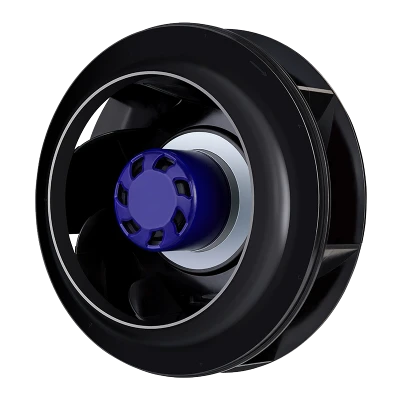
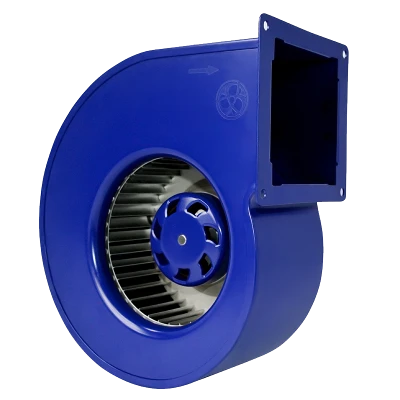
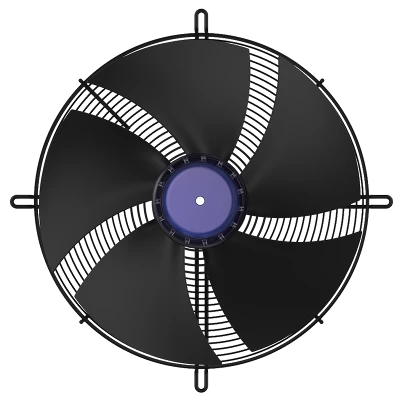
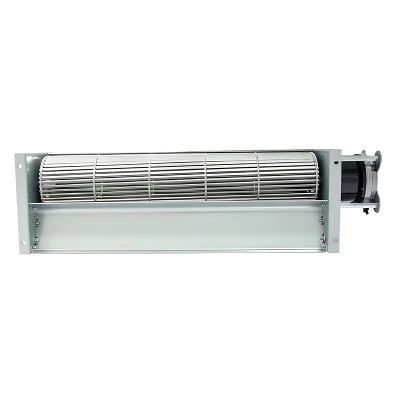
When selecting a fan for HVAC, industrial, or commercial applications, understanding the differences between EC (Electronically Commutated) fans and traditional centrifugal fans is crucial. While both are designed to move air efficiently, they differ significantly in motor technology, energy efficiency, noise levels, control capabilities, and maintenance requirements.
What Is a Centrifugal Fan?
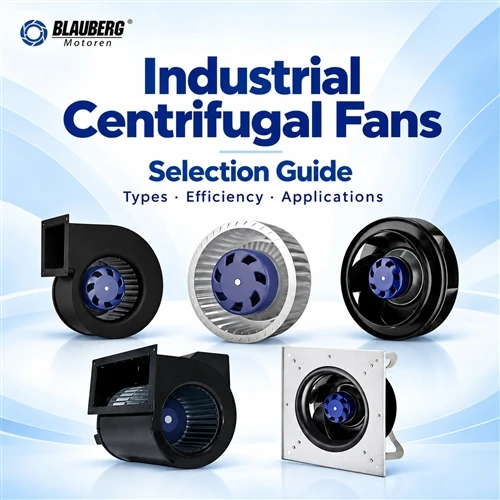
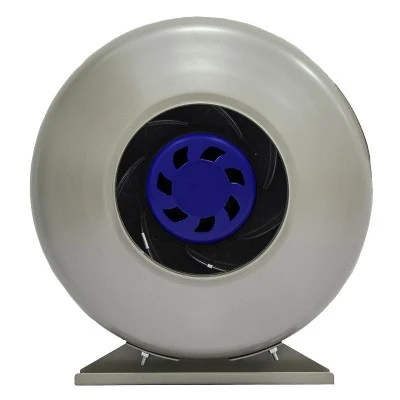
A centrifugal fan is a mechanical device that moves air or gases by increasing their pressure and directing them through a system. It uses a rotating impeller to draw air into the center of the fan and expel it at a 90° angle through the outlet.
These fans are known for their durability and ability to handle high-pressure applications, making them suitable for industrial processes, dust collection, and ventilation systems.
What Is an EC Fan?
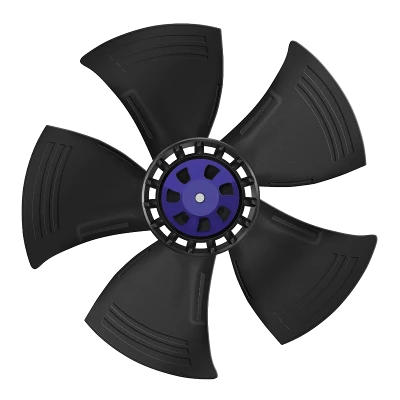
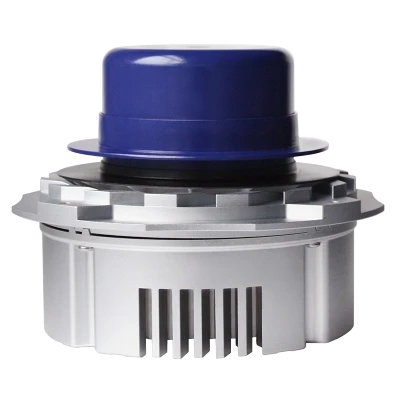
An EC fan integrates a brushless DC motor with onboard electronics, allowing for precise speed control and enhanced energy efficiency. The electronic commutation replaces the traditional mechanical brushes, reducing wear and extending the motor's lifespan.
EC fans are commonly used in HVAC systems, data centers, and applications where energy efficiency and noise reduction are priorities.
Key Differences Between EC Fans and Centrifugal Fans
Motor Technology
Centrifugal Fans: Typically powered by AC motors, which may require external components like variable frequency drives (VFDs) for speed control.
EC Fans: Utilize integrated brushless DC motors with built-in electronics for seamless speed control and reduced energy loss.
Energy Efficiency
Centrifugal Fans: Generally have lower efficiency, especially when operating at partial loads or without VFDs.
EC Fans: Offer higher efficiency, often achieving up to 90%, due to optimized motor design and precise speed control.
Noise Levels
Centrifugal Fans: Can produce higher noise levels, particularly at high speeds or under heavy loads.
EC Fans: Operate more quietly, thanks to smoother motor operation and the ability to adjust speed to match demand.
Control Capabilities
Centrifugal Fans: Speed control often requires additional equipment, leading to increased complexity and cost.
EC Fans: Feature integrated control systems, allowing for easy adjustments and integration with building management systems.
Maintenance Requirements
Centrifugal Fans: Require regular maintenance, including belt tensioning, lubrication, and potential replacement of worn components.
EC Fans: Have fewer moving parts and no brushes, resulting in lower maintenance needs and longer service intervals.
Applications
Centrifugal Fans: Ideal for industrial settings requiring high-pressure airflow, such as material handling, dust collection, and process ventilation.
EC Fans: Suited for environments where energy efficiency, noise reduction, and precise control are essential, including HVAC systems, data centers, and cleanrooms.
Cost Considerations
While EC fans may have a higher initial cost compared to traditional centrifugal fans, their superior energy efficiency and reduced maintenance requirements can lead to significant cost savings over time. The total cost of ownership often favors EC fans in applications where energy consumption and maintenance are critical factors.
Conclusion
Choosing between an EC fan and a traditional centrifugal fan depends on the specific requirements of your application. If energy efficiency, noise reduction, and precise control are top priorities, EC fans offer significant advantages. However, for applications demanding high-pressure airflow and robust performance in challenging environments, traditional centrifugal fans remain a reliable choice.
By understanding the distinct features and benefits of each fan type, you can make an informed decision that aligns with your operational needs and long-term goals.