When selecting the right fan for an AHU (air handling unit) or ventilation cabinet, you might come across two seemingly similar terms - plenum fan and plug fan. Many people assume they mean the same thing, but there are subtle differences between the two that can affect airflow direction, pressure performance, and installation design.
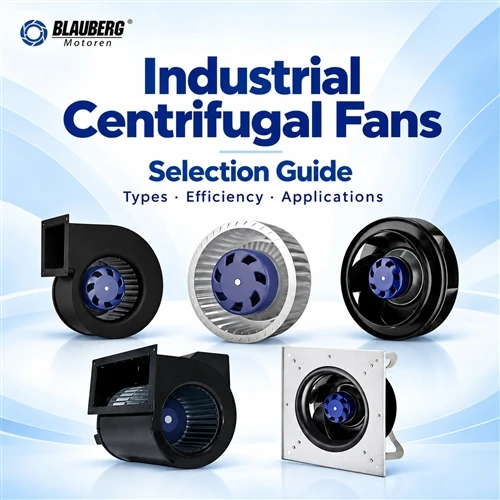
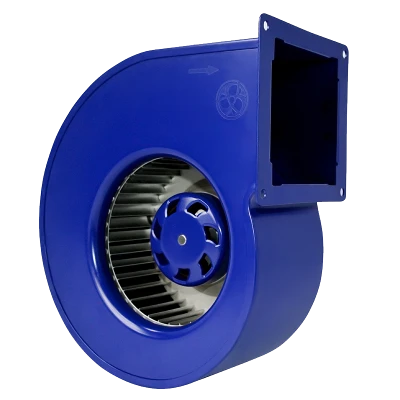
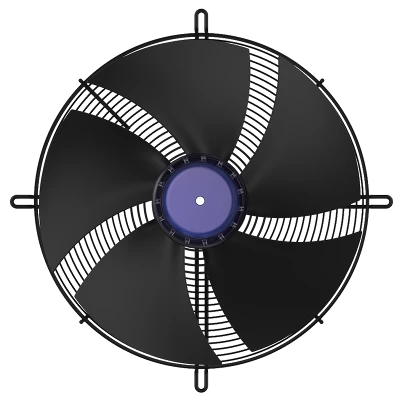
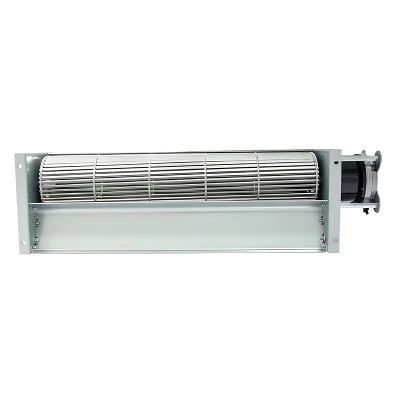
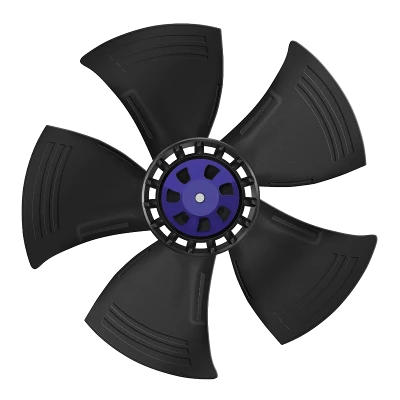
In this article, we'll explain the difference between a plenum fan and a plug fan and help you decide which is better for your application. To make internal linking easier, we've also referred to related products like forward centrifugal fans, backward curved centrifugal fans, EC axial fans, and popular models such as the 355mm backward centrifugal fan and 400mm EC backward curved centrifugal fan.
What Is a Plug Fan?
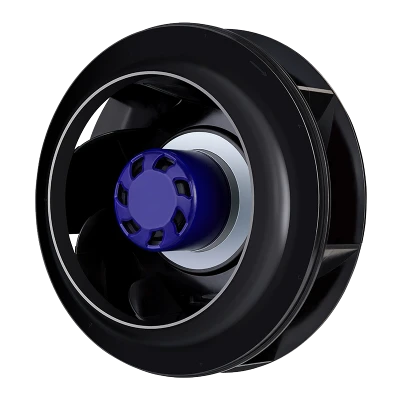
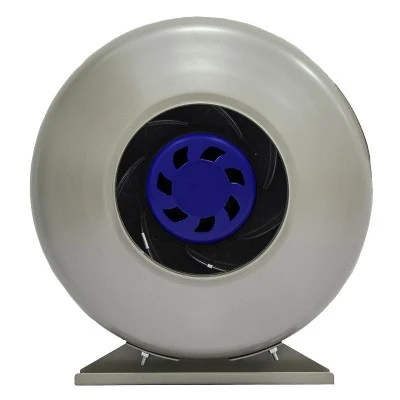
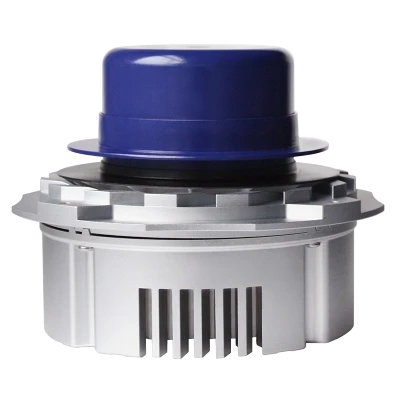
A plug fan is a type of backward curved centrifugal fan mounted directly inside the plenum of an AHU without a scroll housing. The term "plug" comes from the fact that the fan is "plugged" into one side of the casing. The fan discharges air outward in multiple directions inside the plenum, rather than into a duct.
Characteristics of a Plug Fan:
Uses backward curved impeller
No spiral casing (scroll)
Multi-directional discharge
Easy to clean and maintain
Often available as EC plug fans for energy savings
What Is a Plenum Fan?
A plenum fan is a more general term used for any fan that moves air into a plenum chamber (air distribution box), from which the air flows to different outlets. Technically, a plug fan is one type of plenum fan - but not all plenum fans use plug-style construction.
Plenum Fans May Include:
Backward centrifugal fans
Systems that sometimes retain partial housing
Standard ducted outlet or multi-directional outlet
So while the term plenum fan describes how the fan is used (inside a plenum box), the term plug fan refers to a specific housing-less centrifugal fan design optimized for plenum mounting.
Differences at a Glance
| Feature | Plug Fan | Plenum Fan |
|---|---|---|
| Definition | A fan with no scroll, mounted into a plenum | Any fan installed to blow air into a plenum space |
| Discharge Direction | Free discharge (multi-direction) | Can be free discharge OR connected to ductwork |
| Design Type | Always housing-less backward curved centrifugal fan | May be forward, backward, or custom centrifugal |
| Usage | Compact AHUs, air purifiers, rooftop units | General category covering plug fans and others |
| Motor Technology | Often EC backward curved | AC or EC, depending on design |

When to Use Each
Use a Plug Fan When:
You need compact airflow within a cabinet or AHU.
You want easy access for cleaning coils/filters.
Energy-efficiency and low noise are important - consider a 400mm EC backward curved centrifugal fan or 355mm backward centrifugal fan used as plug type.
Use a Plenum Fan When:
You have a multi-zone air handling space.
You may connect to multiple outlet branches.
You want to keep definition open to forward centrifugal fan, backward centrifugal fan, or even combine with an EC axial fan for special layouts.
Popular Product Examples
| Product Type | Typical Use |
|---|---|
| 355mm backward centrifugal fan | Plug fan inside rooftop AHU systems |
| 400mm EC backward curved centrifugal fan | EC plug-fan style variable air volume AHU |
| Forward centrifugal fan | Plenum supply with low pressure ducting |
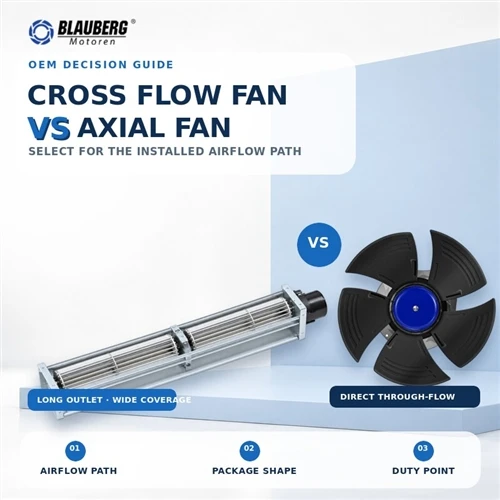
| EC axial fan (250mm) | Limited-depth plenum ventilation units |
Conclusion
To put it simply:
A plug fan is a specific style of backward curved centrifugal fan designed to operate inside a plenum without a scroll, while a plenum fan is a broader term describing any fan discharging into a plenum space.
Both have their advantages - plug fans are compact, efficient and easy to maintain, whereas plenum fans offer design flexibility and can include different centrifugal impeller types.
If you need help selecting between a plug fan, forward centrifugal fan, backward centrifugal fan, or EC axial fan, our engineering team can help match the best fan type based on airflow, static pressure, and installation requirements.