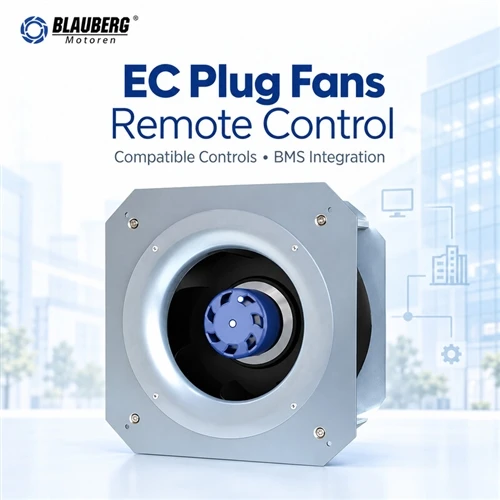
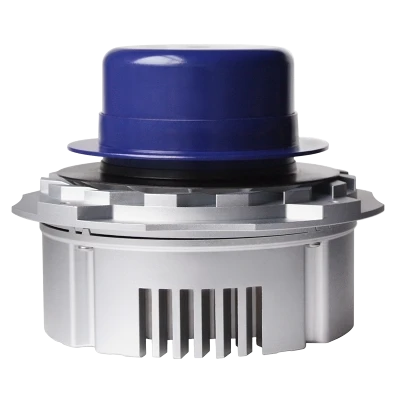

If you've ever spent time troubleshooting a ventilation system that's acting up in an out-of-the-way part of a building – say, a stockroom in the back of a warehouse or a rooftop unit that's hard to reach – you've probably asked the same question I get all the time as an EC plug fan supplier: Can these fans even be controlled remotely? Short answer? Absolutely, and it's one of the biggest reasons businesses are ditching old, clunky AC motors for EC (electronically commutated) plug fans these days. Let me break this down without all the jargon, since I know most folks asking aren't electrical engineers – they're building managers, HVAC techs, or small business owners just trying to keep their spaces comfortable and efficient.
First, let's get on the same page about what an EC plug fan actually is, because that's where a lot of confusion starts. Unlike traditional AC fans that run on a fixed current and waste a ton of energy adjusting speed, EC plug fans have a built-in digital motor that's way smarter. They're called "plug" fans because the motor and impeller are mounted together like a plug, making them easy to drop into ductwork or air handling units (AHUs) without a bunch of extra parts. The big win here is that they can adjust their speed smoothly based on demand – and that adjustability is exactly why remote control works so well here.

Now, how does that remote control actually work? The short version is that EC plug fans communicate digitally, not just with a simple on/off switch. Most of our models come standard with built-in communication ports that connect to building management systems (BMS), Wi-Fi, or even simple mobile apps. You don't need to climb ladders or run extra wires (though sometimes you might need a basic module for older systems) to adjust speed, turn the fan on or off, or get alerts if something's wrong. For example, if a restroom exhaust fan is running too slow when the building is empty, you can crank it up from your office phone at 2 a.m. instead of driving all the way there. That's the kind of time and money saver no building owner wants to pass up.
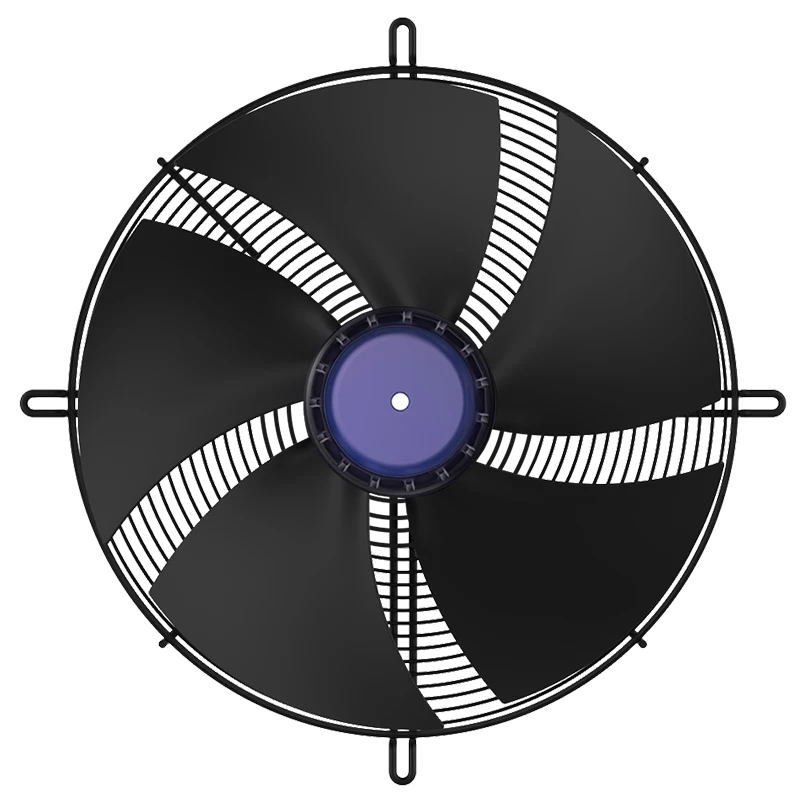
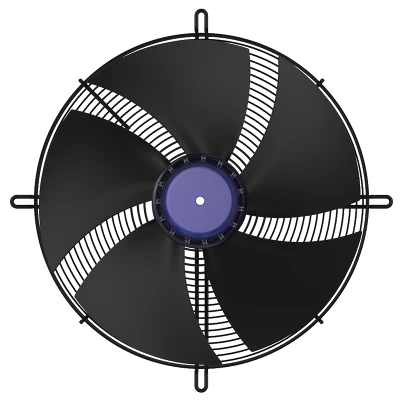
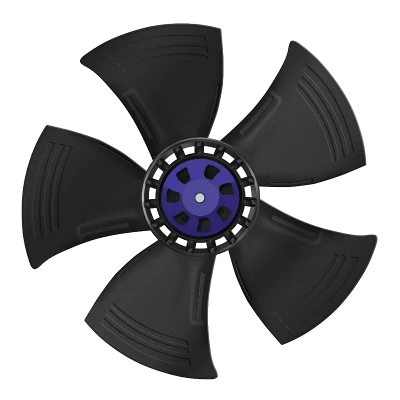
Let's talk real-world use cases, because numbers don't lie. Last year, we supplied a set of fans to a chain of 12 grocery stores. Each store has a rooftop AHU that handles fresh air exchange, and before switching to EC plug fans, the maintenance team had to drive from store to store every month to adjust fan speeds based on store traffic. With remote control, they can now tweak all 12 fans from a single dashboard, and they've cut their maintenance time by 60% – that's hundreds of hours a year saved. The fans we sent them included the [Blauberg GK-B310E-EC-05 310mm EC Plug Fan], which has a built-in Modbus port that plays nice with almost every BMS on the market. Modbus is basically the universal language for industrial devices, so if you already have a BMS, this fan will slot right in without extra hassle.
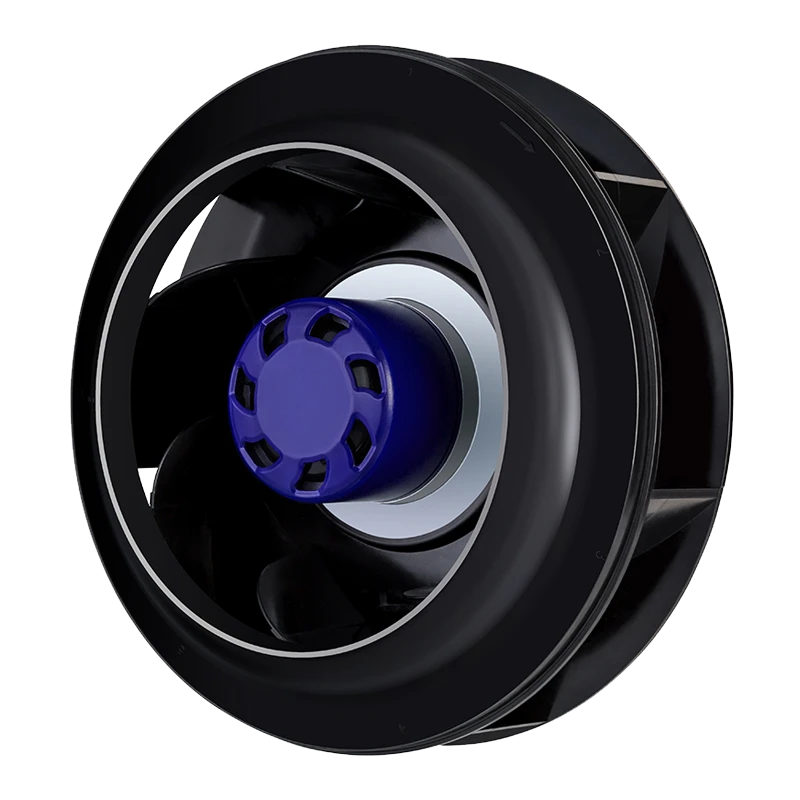
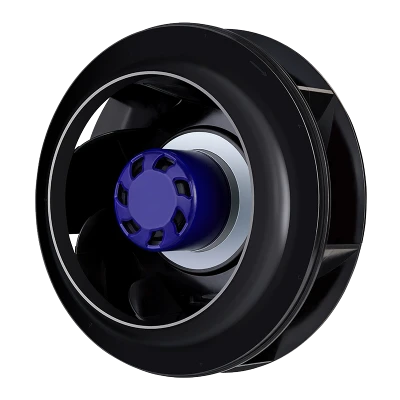
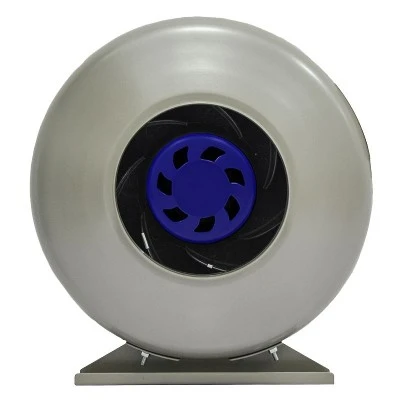
Not all EC plug fans are built the same, though, and some have better remote capabilities than others. If you're in the air purification game, for example, you need a fan that can adjust speed based on air quality sensors, and the [355mm EC Air Purifier Wide Radial Bearings Waterproof Centrifugal Fan Backward with CE and RoHS] is perfect for that. It connects directly to air quality monitors, so if the sensor detects high particulate matter in a server room, it can speed up automatically – all controlled remotely. No need for a tech to walk in and flip a switch; the fan is part of a smart system that responds in real time. We also supply this model to a few hospitals, where air quality is non-negotiable, and they love that they can monitor every fan's performance from a central location, even across different buildings on a campus.
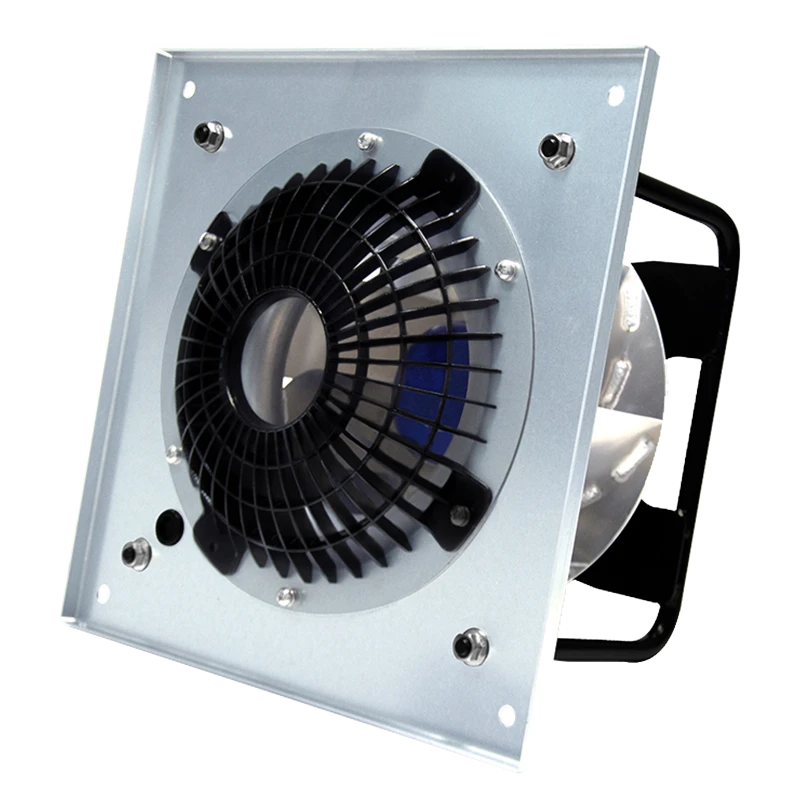
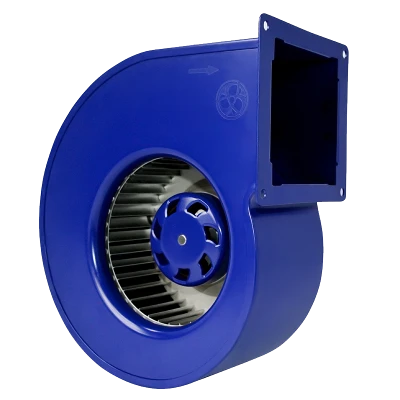
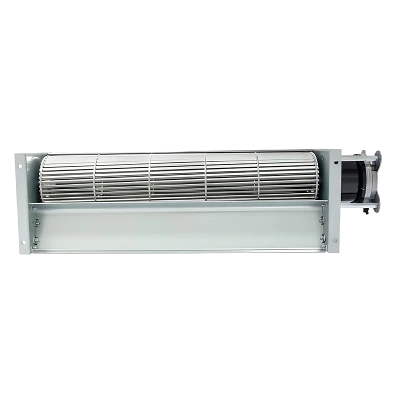
For smaller projects, like a home addition or a small retail space, you don't need a full BMS. The [250mm EC Lowes Exhaust Fan Through Wall Exhaust Fan for AHU] is designed for that kind of application, and it works with basic Wi-Fi controllers. You can hook it up to your home's smart system, adjust the exhaust fan from your phone when you're at the store, or set a schedule so it only runs when the store is open. That's a huge energy saver – if you forget to turn off the exhaust after closing, it won't be wasting electricity all night. I had a client who used this fan for a small café, and she told me she used to come in on Monday mornings to find the exhaust still running from the weekend. Now she just turns it off with a tap on her phone, and she's saved over $1,000 a year in electricity costs.
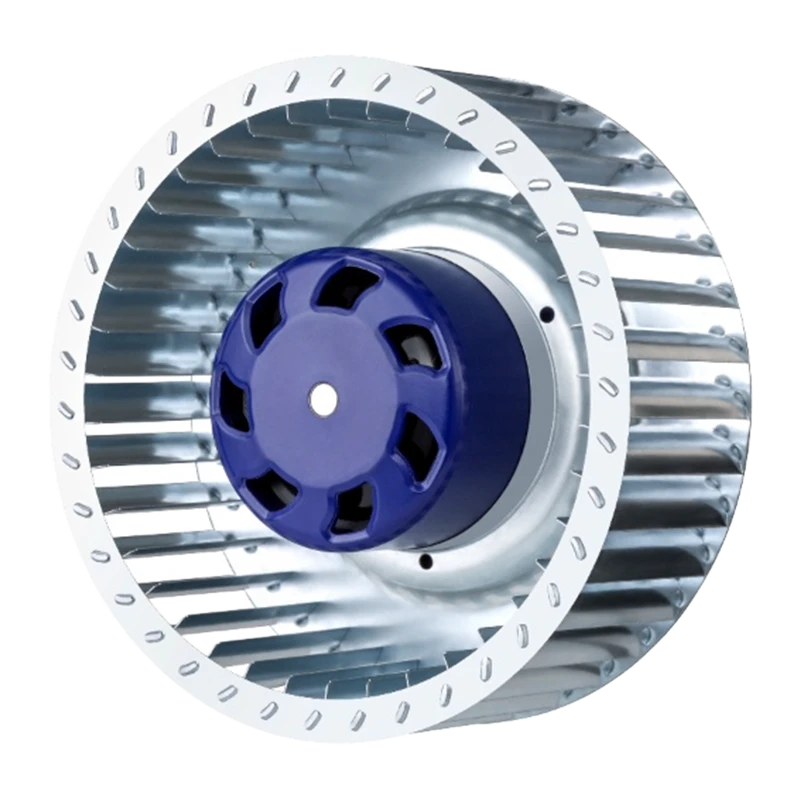
What about air conditioners? If you're in the AC industry, you know how important consistent airflow is. The [225mm EC Electrical Motor Radial Centrifugal Blower Fan for Air Condition] is built specifically for that, and its remote control features make it easy to integrate into split AC systems. You can adjust the blower speed to match the AC's cooling load, diagnose issues remotely (like if the fan is overheating), and even set it to cycle off when the AC isn't in use. One of our clients who installs residential AC units swears by this model – he says he can fix 70% of minor issues over the phone now, without driving to the job site. That cuts down on service calls and keeps customers happy, which is a win for everyone.
Wait, what about lower-power applications, like FFU (fan filter unit) systems? Those are common in clean rooms, labs, and data centers, where you need consistent airflow. The [220mm DC 24V Air Coolers Brushless Radial Centrifugal Fan Bracket for FFU Application] is a DC model (it still uses EC technology, just lower voltage) that works with FFU systems, and it has remote control capabilities too. Data centers can't afford uneven airflow – hot spots can damage servers – so being able to monitor and adjust each FFU fan from a central system is critical. We supplied these to a few small data centers last year, and they've told us that remote monitoring has reduced server downtime by 40%, which is massive for an industry where every minute of downtime costs thousands of dollars.
Which plug fan models should you review?

Blauberg GN-B310C-EC-01 310mm DC Plug Fan
View product specifications, supply voltage and performance data.

Blauberg GD-B310C-EC-01 310mm DC Plug Fan
View product specifications, supply voltage and performance data.

Blauberg GD-B280D-EC-N07 280mm DC Plug Fan
View product specifications, supply voltage and performance data.
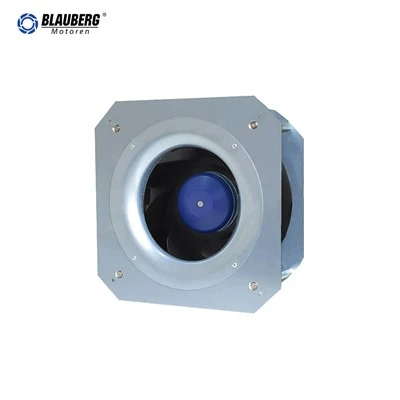
Blauberg GE-B250B-EC-N07 250mm DC Plug Fan
View product specifications, supply voltage and performance data.
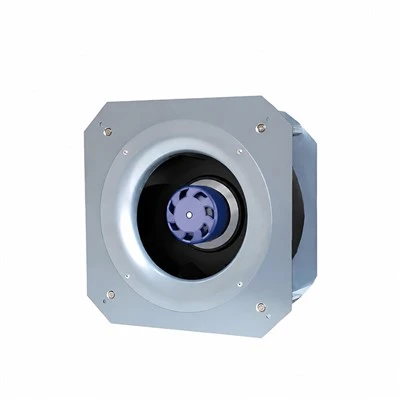
Blauberg GE-B250B-EC-M1 250mm DC Plug Fan
View product specifications, supply voltage and performance data.

Blauberg GD-B250B-EC-N07 250mm DC Plug Fan
View product specifications, supply voltage and performance data.

Blauberg GD-B250B-EC-M1 250mm DC Plug Fan
View product specifications, supply voltage and performance data.

Blauberg GD-B175B-EC-M0 175mm DC Plug Fan
View product specifications, supply voltage and performance data.
Now, let's talk about the nitty-gritty: what kind of remote control options are there, and do you need special wiring? Most modern EC plug fans use either Wi-Fi, Modbus, BACnet, or sometimes even Bluetooth for smaller setups. Wi-Fi is great for single buildings or small networks, while Modbus and BACnet are standard for larger commercial and industrial systems. The good news is that you don't usually need to run extra power wires for the control – most EC plug fans get their power from the same line as the control signal, so installation is pretty straightforward. If you're replacing an old AC fan, you can usually swap it out for an EC plug fan with minimal rewiring, and hook up the remote control module without a ton of extra work.
But wait, are there any limitations? Let's be real – nothing's perfect. If you have a really old building with outdated wiring, you might need a small interface module to connect the EC plug fan to your existing system. Also, if you want advanced features like predictive maintenance alerts (telling you when the fan's bearings are wearing out), you'll need a basic monitoring tool, but that's a one-time cost and saves you from unexpected breakdowns. And of course, if you don't want remote control at all, that's fine too – all our fans work with standard on/off switches too. The point is, EC plug fans give you the choice, which is something old AC fans can't do.
Another big plus: energy efficiency, which goes hand in hand with remote control. EC motors are way more efficient than AC motors – they use up to 50% less energy, which means lower utility bills. When you pair that with remote control, you're not just saving energy by running the fan at the right speed, you're also not wasting energy because you can adjust it when no one's around. For example, if you have a warehouse that's empty on weekends, you can set the EC plug fans to run at a lower speed for fresh air instead of full blast, and you don't even have to be there to do it. That's the kind of smart control that makes businesses more sustainable, too – which is a huge bonus these days, with more and more companies looking to reduce their carbon footprint.
I've been supplying EC plug fans for over a decade, and the number one question I get besides "can they be controlled remotely?" is "are they hard to set up?" The short answer is no. Most of our models come with easy-to-follow instructions, and if you run into issues, our team is on hand to help with setup. We've had clients who are DIYers swap out their old fans and hook up the remote control on their own, no electrician needed – though we always recommend a pro for large commercial installs.

If you're still on the fence about switching to EC plug fans, let's go back to the original question: Can they be controlled remotely? The answer is a resounding yes, and it's one of the most game-changing features these fans offer. Whether you're running a small café, a big box store, a hospital, or a data center, there's an EC plug fan model that fits your needs and has the remote control capabilities to make your life easier, save you money, and keep your space running smoothly.
If you're ready to upgrade your ventilation or air system with EC plug fans and explore the remote control options that work for your space, feel free to reach out to our team to discuss your specific needs. We'll help you pick the right model, whether it's the Blauberg GK-B310E-EC-05 310mm EC Plug Fan, one of our air purifier-focused models, or any of our other EC plug fans, and walk you through the remote control setup. No pushy sales, just honest advice from someone who's been in this industry long enough to know what works.
References
- ASHRAE. (2022). Ventilation and Infiltration Handbook: Fan Efficiency and Control Strategies. American Society of Heating, Refrigerating and Air-Conditioning Engineers.
- European Committee for Electrotechnical Standardization. (2021). EC Motor and Fan Performance Standards for Residential and Commercial Applications. CENELEC EN 60335-2-80.
- U.S. Department of Energy. (2023). Energy Savings Potential of Electronically Commutated Motors in HVAC Systems. Office of Energy Efficiency and Renewable Energy.
- BMS Protocol Alliance. (2022). Modbus and BACnet Integration Guidelines for EC Plug Fans. BMS Technical Bulletin 17.
- International Organization for Standardization. (2020). Air Quality Control in Commercial and Industrial Spaces: Fan Remote Monitoring Requirements. ISO 16814:2020.
Category of Blauberg Products
Built on German engineering principles, focusing on precision, reliability, and long-term performance. Through efficient and scalable manufacturing, we deliver high-quality ventilation solutions with optimized cost structure, ensuring strong value for global OEM and project-based customers.