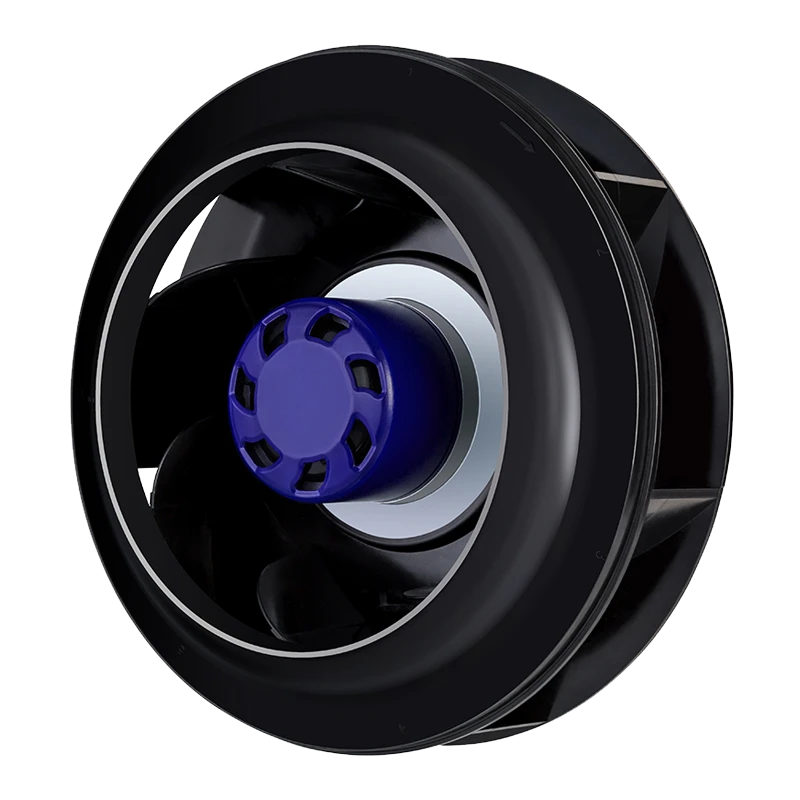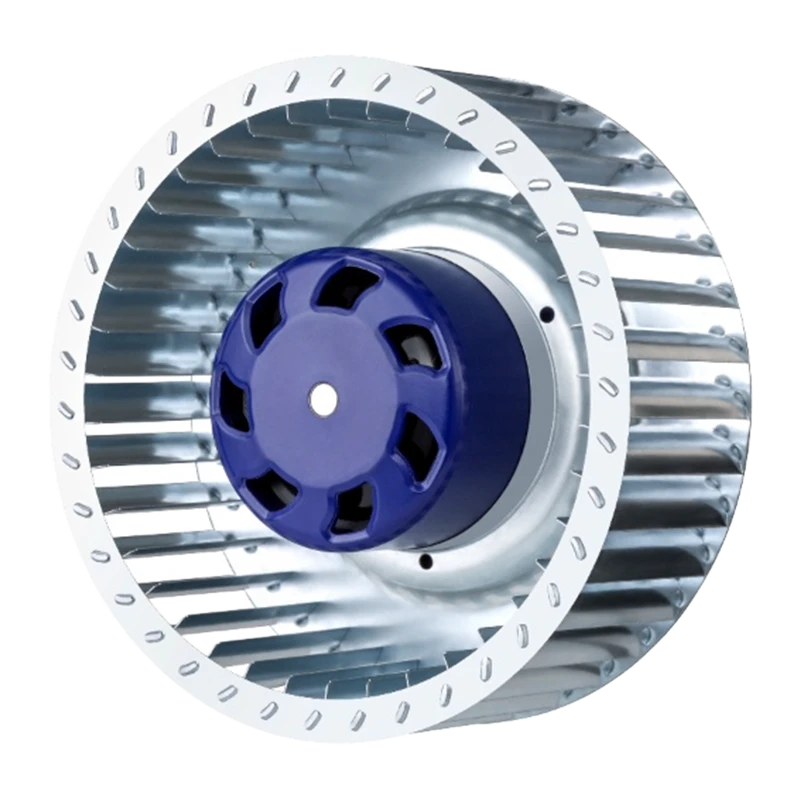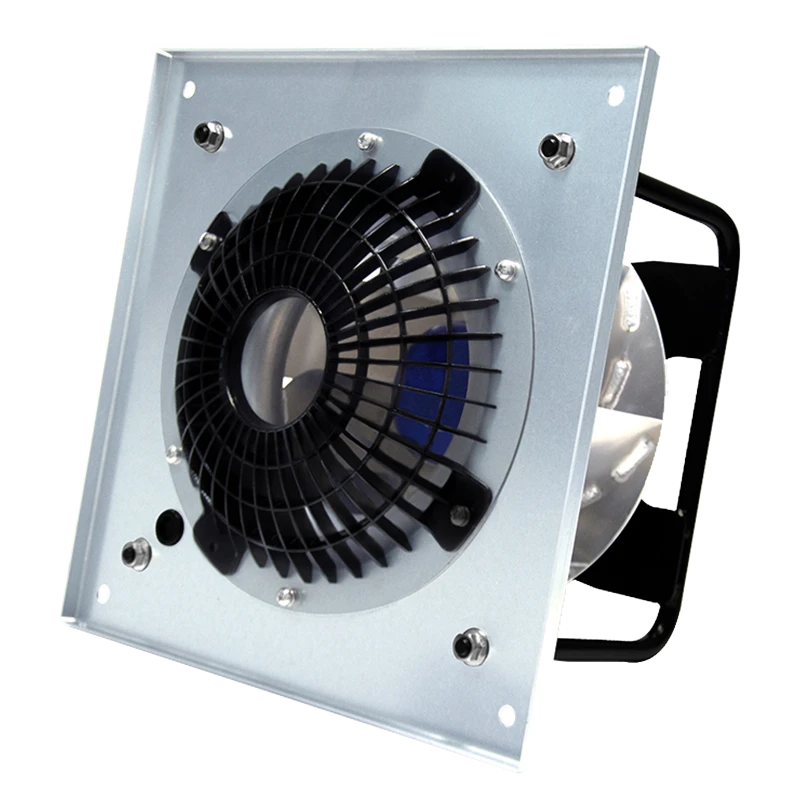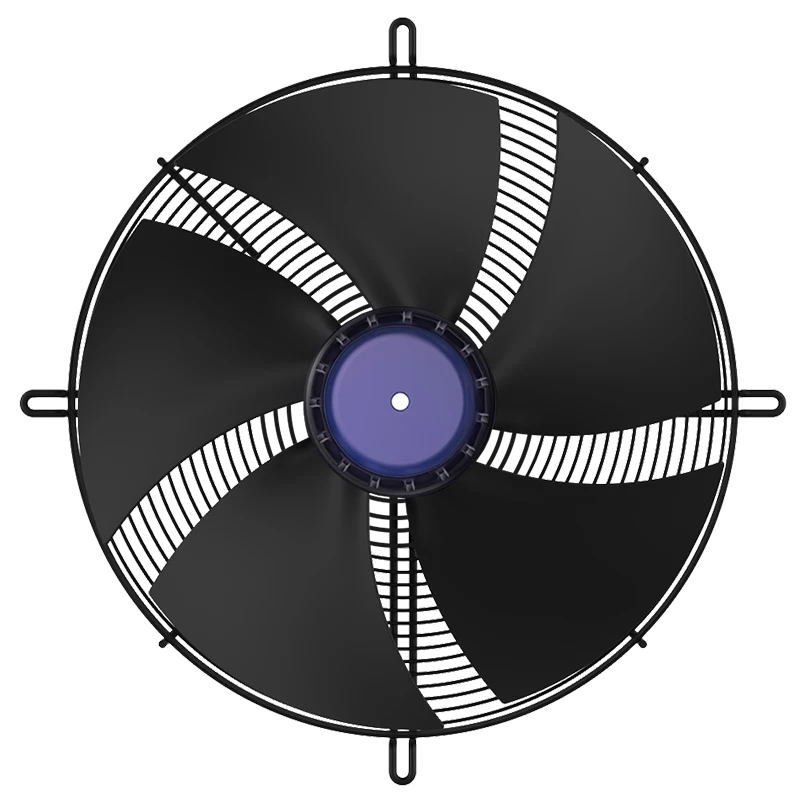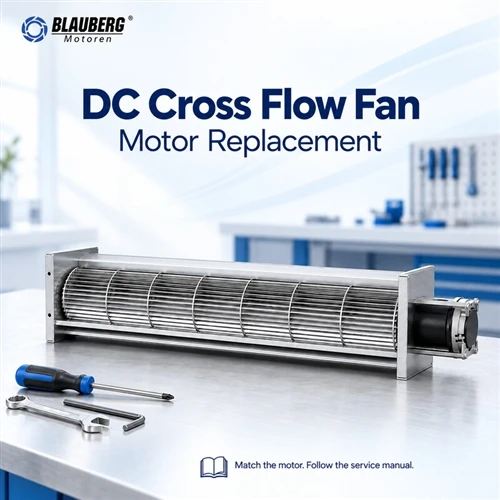
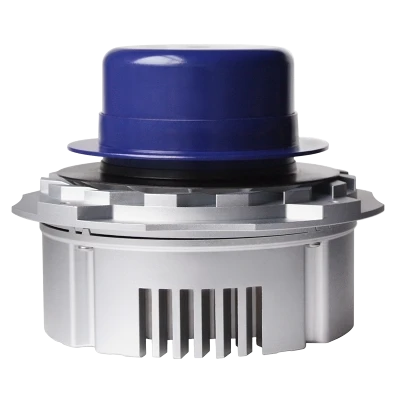

If you're reading this, chances are you've got a DC Cross Flow FFU Fan that's acting up-maybe it's making weird noises, blowing weak air, or just dying on you out of nowhere. As a DC Cross Flow FFU Fan supplier, we know how frustrating it is when a fan you rely on (think cleanrooms, HVAC systems, industrial ventilation) goes kaput. Swapping the motor yourself isn't as scary as it sounds, but you've gotta do it right to avoid messing up the rest of the unit. Let's break this down step by step, no jargon, no confusing nonsense.
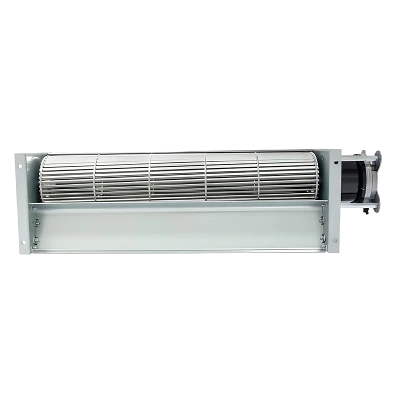
First, let's make sure we're on the same page: a DC Cross Flow FFU Fan (Fan Filter Unit) uses a cross flow design to move air evenly through a filter, perfect for controlled environments like labs or manufacturing floors. The motor's the heart here-if it's fried, the whole unit stops working. Before you even touch tools, pause for a sec. You need the right replacement motor, right? We stock a full line, like the Blauberg VD-T080A-EE-615(L000) 80mm DC Cross Flow Fans-it's made specifically for FFUs, so it fits seamlessly, no modifying parts. That's a big win; using a generic motor is a recipe for compatibility issues, so stick to the model that matches your fan's specs.
Now, safety first. I can't stress this enough-turn off the power. Not just the light switch, unplug the unit, or flip the breaker that feeds the FFU. Cross flow fans have sharp blades, and a sudden jolt of power mid-swap could cut you or blow something. If your fan's in a tight spot (like a ceiling in a cleanroom), maybe tag a buddy to help hold the unit while you work-they're not heavy, but they're awkward, and you don't want it slipping and crackling. Grab your tools: a Phillips screwdriver, a flathead, a multimeter (to check power later), maybe a pair of work gloves (to avoid cuts from the blades or metal casing). No fancy tools needed, just basic stuff.

Next step: access the motor. This is where it's easy to mess up if you rush. Start by removing the FFU's outer casing-most FFUs have a few screws on the sides or bottom that hold the cover on. Set the screws in a small cup or your pocket so you don't lose 'em; nothing's worse than hunting for a tiny screw when you're mid-swap. Once the casing is off, you'll see the cross flow blades, the filter (don't knock that, we're not touching it), and the motor mounted on brackets. The motor's usually connected to the fan frame with two or four screws, and there'll be a wiring harness sticking out to the power supply.
Here's the tricky part: disconnecting the wires. Don't yank the harness out-you'll fray the wires, and that's a headache. Most motors have a plug-and-play connector, so just pull the connector apart (wiggle it gently if it's stuck). If it's hardwired (no connector), take a photo of how the wires are attached to the terminals before you unscrew them-trust me, I've done this and reversed the wiring once, and the fan spun backwards, blowing air the wrong way. The photo will save you a ton of time. Once the wires are disconnected, remove the screws holding the motor, and gently slide it out. Be careful with the cross flow blades-they're thin and can bend easily, which throws the air flow off.
Now, if your old motor's toast, you'll need to clean up the motor mount a bit. Sometimes dust or grime builds up on the brackets where the old motor sat-wipe that off with a dry cloth so the new motor sits flat. Before installing the new motor, double-check that it's the right size. For example, if your old fan was a 60mm DC cross flow, grab a Blauberg VD-T060A-EE-520(R001) 60mm DC Cross Flow Fans-same diameter, same power rating, so it fits perfectly. No need to drill new holes; the mounting holes should line up with the brackets exactly.
Slide the new motor into place, screw it down tightly (but don't over-tighten-you can strip the metal, which is a problem later). Now, reattach the wires. If you had a connector, just plug it in until you hear a click. If it was hardwired, match the wires to the terminals using that photo you took earlier-positive to positive, negative to negative, ground to ground. Tighten the terminal screws gently, so the wires don't come loose, but not so hard they snap.
Here's a quick test before you put the casing back on. Flip the power back on (we're only testing, leave the casing off for now) and run the fan for 30 seconds. Listen for weird noises-grinding, rattling, high-pitched whines-that means something's off. Check the air flow: it should be even across the whole FFU, not weak on one side. If it's spinning backwards, turn the power off, swap the two main wires, and try again. If it runs smooth and air flow is good, you're golden.
Which cross flow fan models should you review?
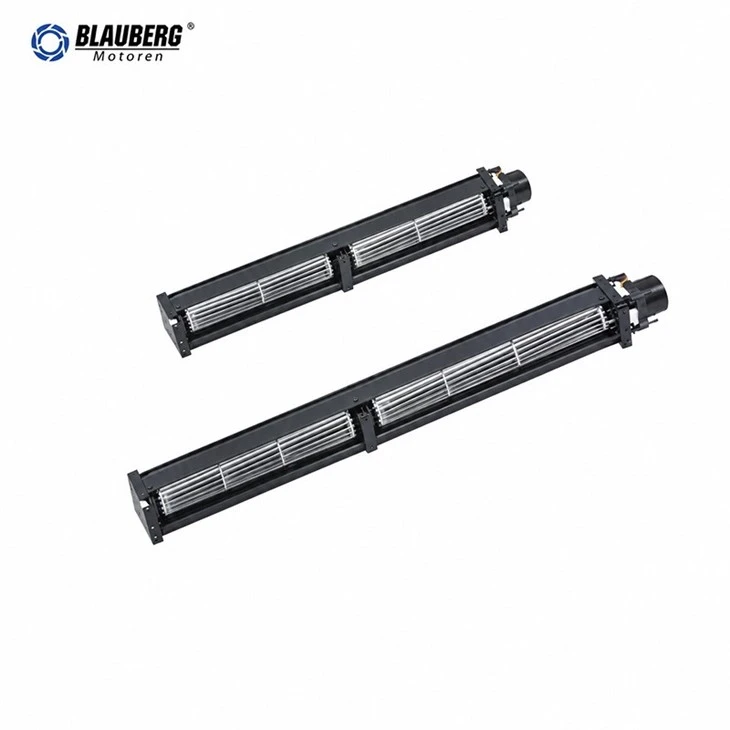
Blauberg VF-T030A-EE-1082(R002) 30mm DC Cross Flow Fans
30mm Cross Flow Fans, Approx. 175 m³/h maximum airflow and Approx. 17 Pa maximum static pressure.
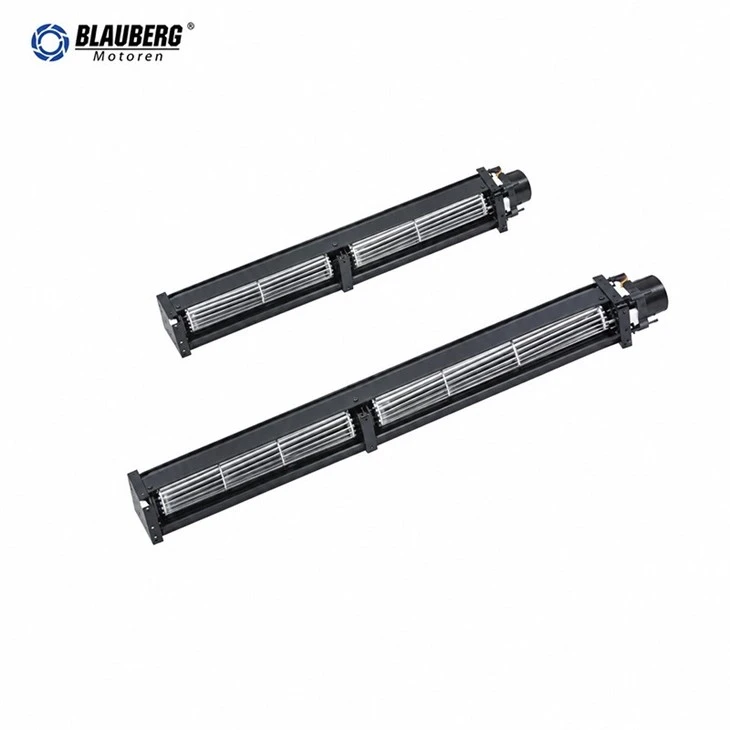
Blauberg VD-T030A-EE-1082(R002) 30mm DC Cross Flow Fans
30mm Cross Flow Fans, Approx. 175 m³/h maximum airflow and Approx. 17 Pa maximum static pressure.
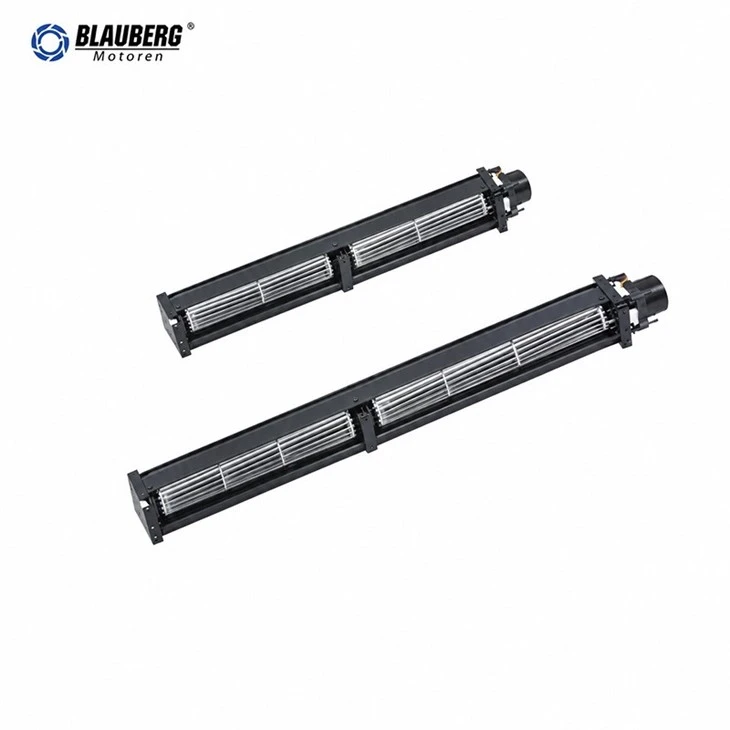
Blauberg VD-T030A-EE-986(R002) 30mm DC Cross Flow Fans
30mm Cross Flow Fans, Approx. 160 m³/h maximum airflow and Approx. 17 Pa maximum static pressure.
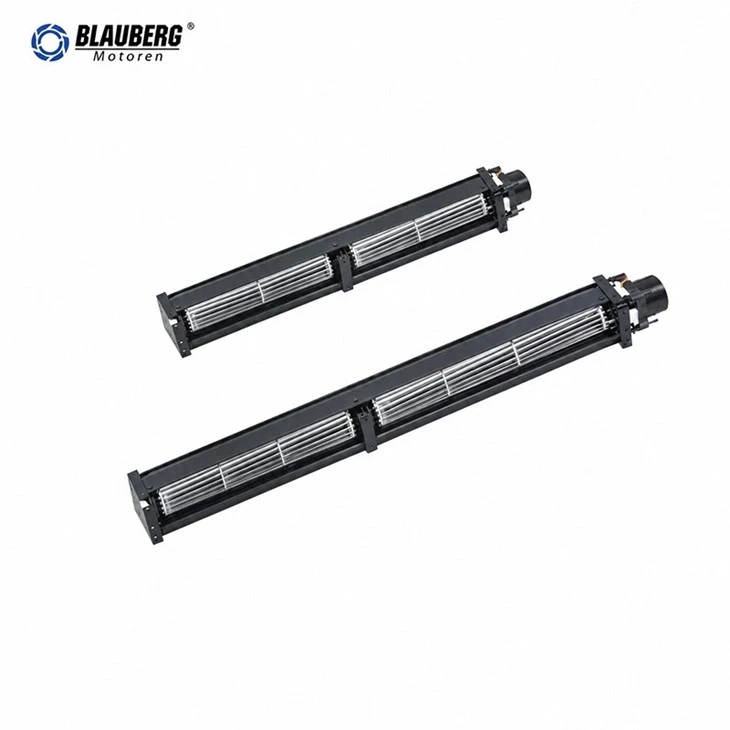
Blauberg VF-T030A-EE-986(R002) 30mm DC Cross Flow Fans
30mm Cross Flow Fans, Approx. 160 m³/h maximum airflow and Approx. 17 Pa maximum static pressure.
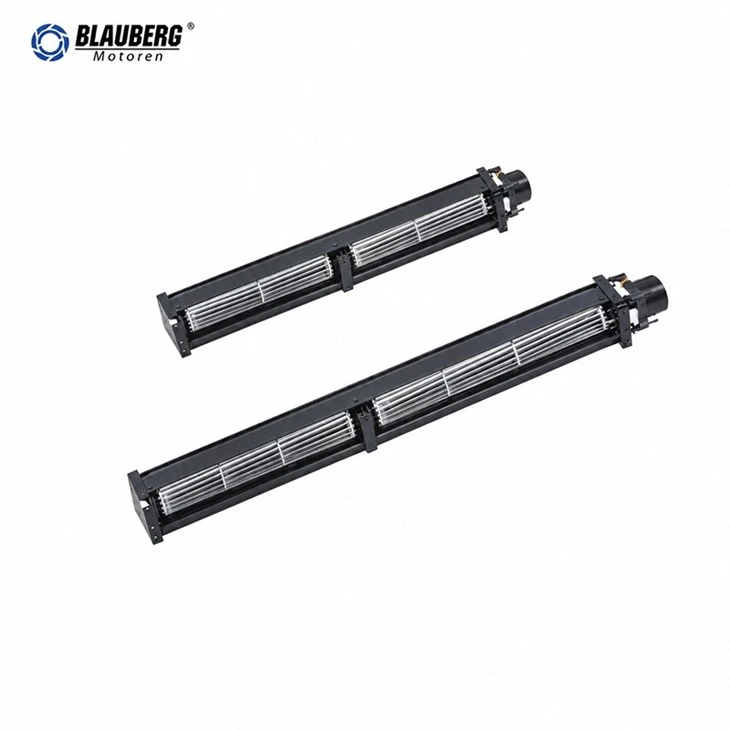
Blauberg VF-T030A-EE-920(R002) 30mm DC Cross Flow Fans
30mm Cross Flow Fans, Approx. 150 m³/h maximum airflow and Approx. 17 Pa maximum static pressure.
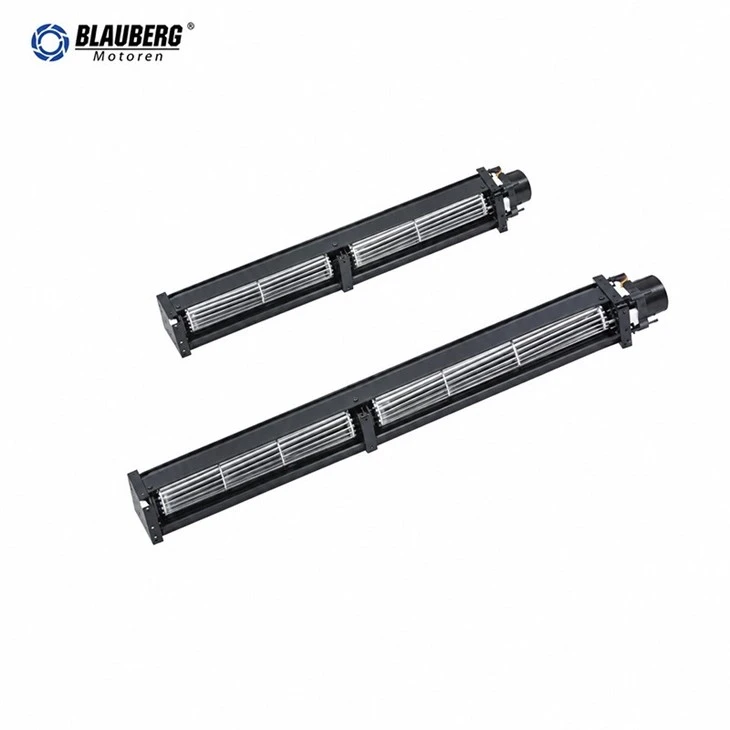
Blauberg VD-T030A-EE-920(R002) 30mm DC Cross Flow Fans
30mm Cross Flow Fans, Approx. 150 m³/h maximum airflow and Approx. 17 Pa maximum static pressure.
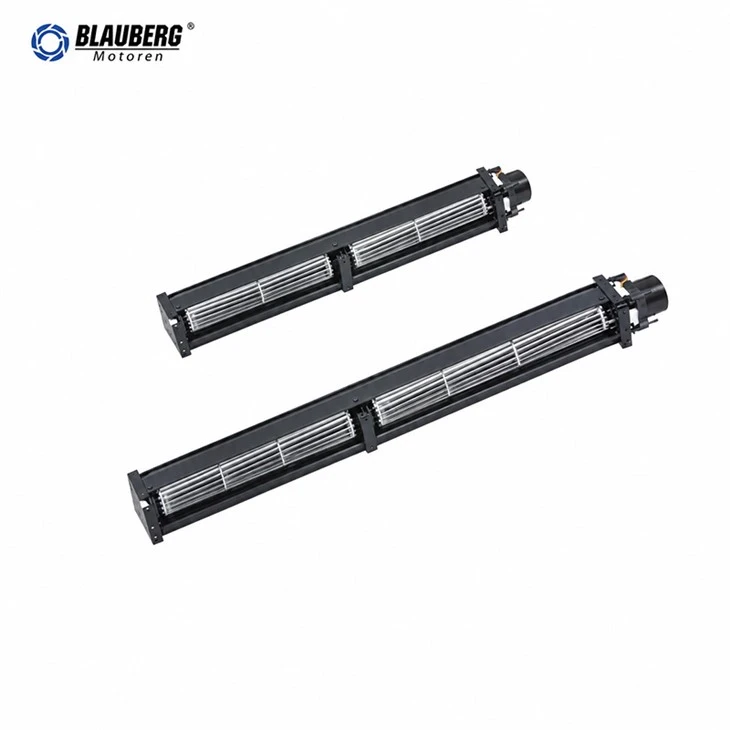
Blauberg VF-T030A-EE-800(R002)E 30mm DC Cross Flow Fans
30mm Cross Flow Fans, Approx. 130 m³/h maximum airflow and Approx. 17 Pa maximum static pressure.
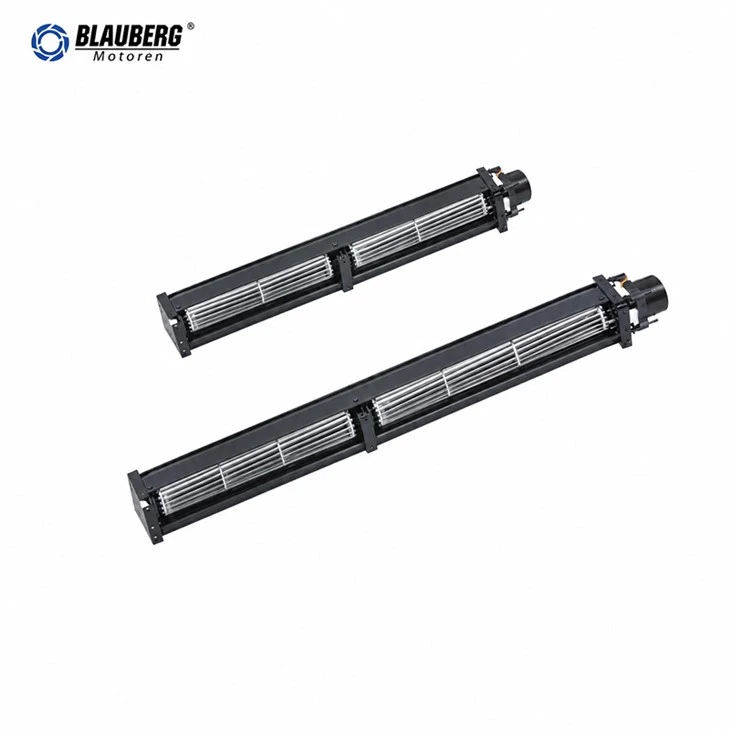
Blauberg VF-T030A-EE-854(R002) 30mm DC Cross Flow Fans
30mm Cross Flow Fans, Approx. 140 m³/h maximum airflow and Approx. 17 Pa maximum static pressure.
Product descriptions from the Blauberg catalogue, checked 22 September 2026. Listed airflow and pressure maxima are separate ratings; confirm the selected model at your operating point.
Now, why would you swap a DC motor specifically vs. an EC or AC? We get that question a lot. Blauberg VL-T150A-EE-280(R000) 150mm EC Cross Flow Fans are great for high-power, Blauberg VL-T040A-SP-98(R001) 40mm AC Cross Flow Fans for budget, but DC motors are more energy-efficient, run quieter, and have better speed control-perfect for FFUs where consistent air flow matters. That's why we focus on DC models, and why swapping a DC motor is a smart call for your FFU.
Wait, what if you run into a snag? Like, the new motor doesn't fit? Or the wiring doesn't line up? No sweat, just reach out. As a supplier, we don't just sell fans-we help with installation and swaps. If your motor's not working after testing, double-check the wiring (that's 9 times out of 10 the problem), or give us a shout and we can walk you through it. We also stock AC options if you need 'em, like Blauberg HL-T060A-SP-250(R000) 60mm AC Cross Flow Fans for older FFUs, so we've got you covered.

Pro tips to make this last longer: when you're swapping, check the cross flow blades for dust while you're in there-wipe them off with a soft cloth, so the new motor doesn't have to work harder. If your old motor was making noise because of a loose blade, tighten the blade's set screw before you put the casing back on. Also, make sure the power to the FFU is stable-flickering power can fry motors fast, so maybe add a surge protector if you don't have one already.
And let's be real: doing this yourself saves money instead of calling a technician, and it's fast if you follow the steps. We've had customers swap their FFU motors in under 45 minutes, no mistakes. The key is taking your time, using the right replacement (not a random one), and double-checking the wiring.
If you're looking to grab a replacement motor for your DC Cross Flow FFU Fan, or have questions about compatibility, feel free to reach out. We've got a wide range of sizes-from 40mm up to 150mm-to fit every FFU model, and our team can help you pick the right one. Don't mess around with generic parts; get a motor made for your cross flow fan, so it works as good as new.
Now, go grab your tools, turn off the power, and get that fan running again. If you hit a wall, we're here to help.
References:
- Blauberg Cross Flow Fan Product Guides, Air Blowers and Parts (AB)
- DC vs. EC Cross Flow Fan Efficiency Benchmarks, HVAC Technical Journal 2023
- FFU Motor Replacement Best Practices, Cleanroom Maintenance Association 2024
- Cross Flow Fan Installation and Repair Tips, Industrial Ventilation Monthly 2023
Category of Blauberg Products
Built on German engineering principles, focusing on precision, reliability, and long-term performance. Through efficient and scalable manufacturing, we deliver high-quality ventilation solutions with optimized cost structure, ensuring strong value for global OEM and project-based customers.