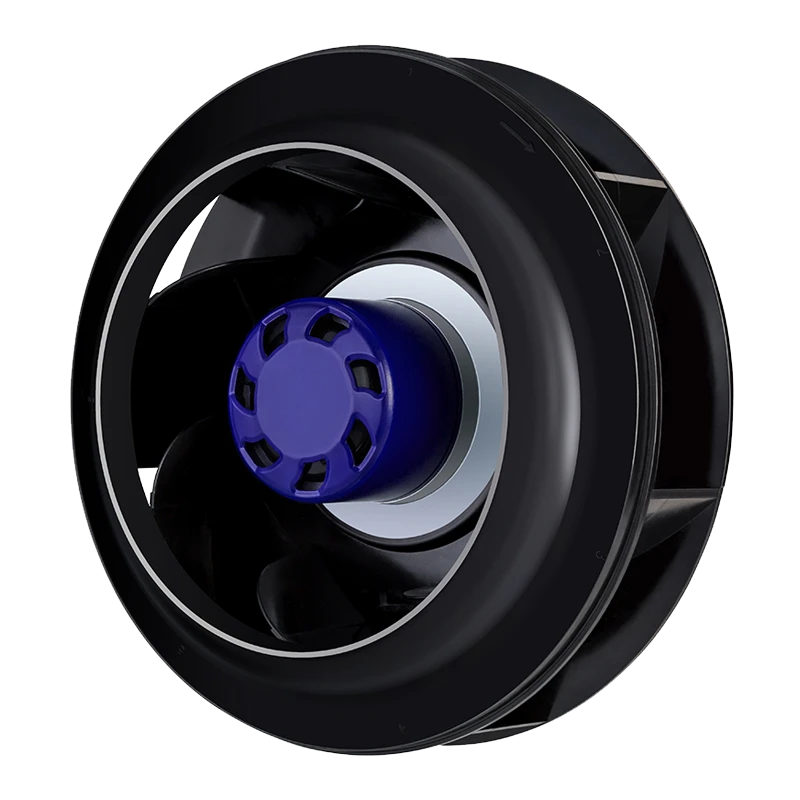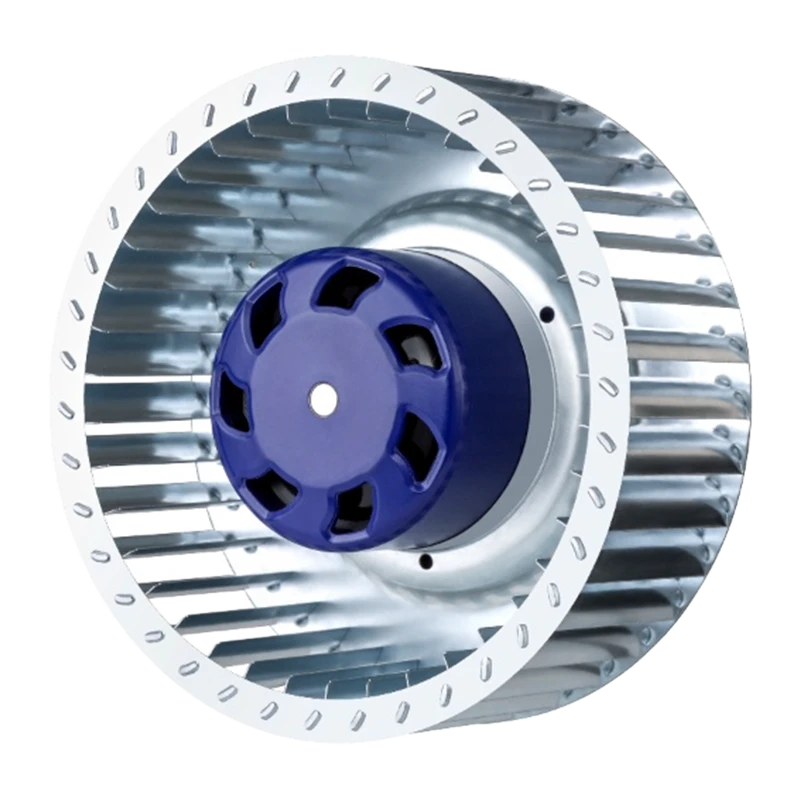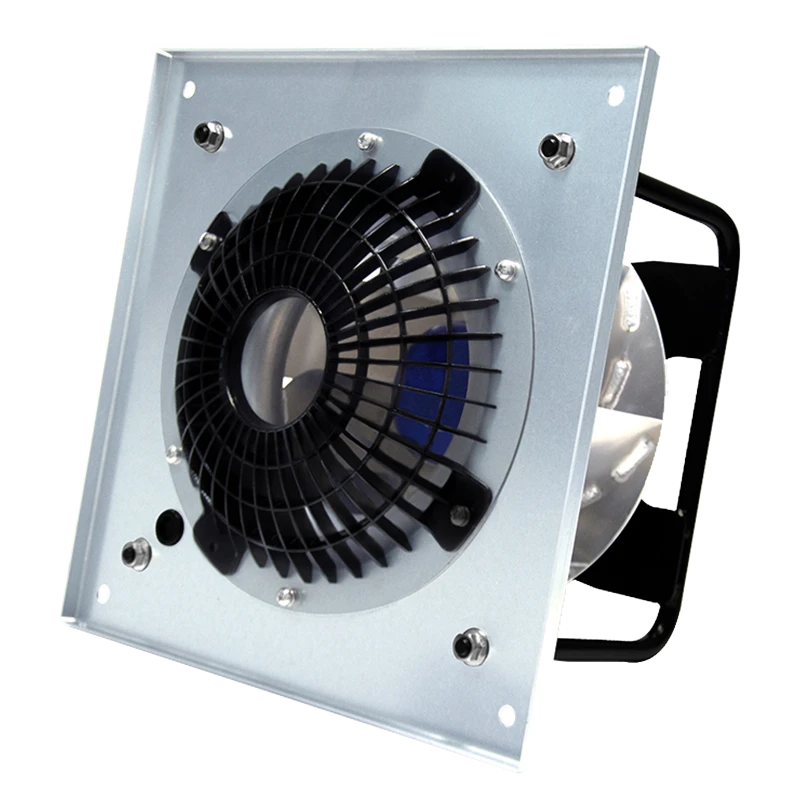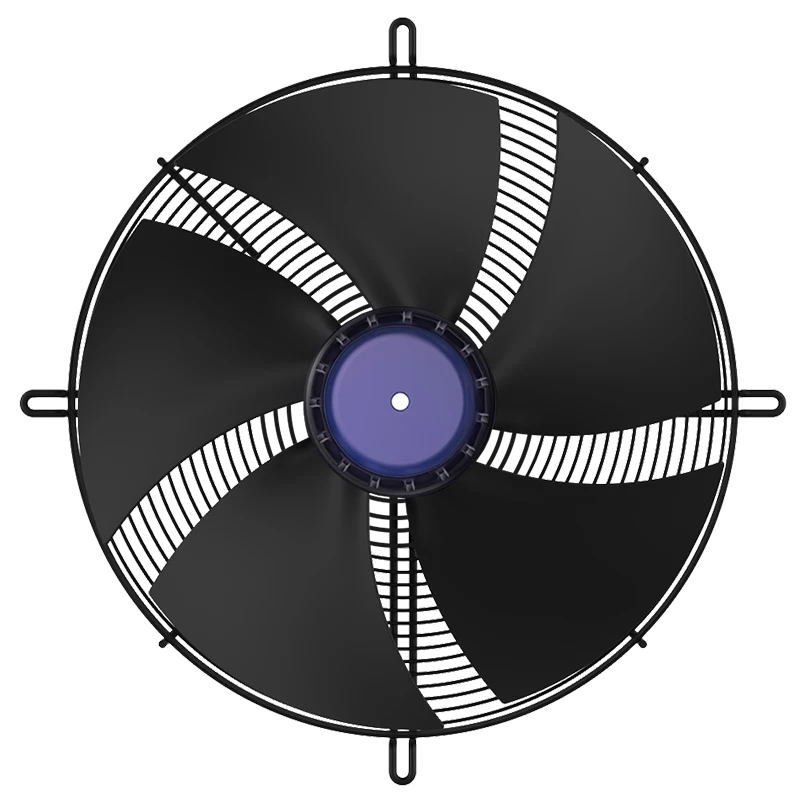

If you've ever worked with HVAC systems, clean rooms, or electronics cooling, you've probably heard of FFU (Fan Filter Unit) fans-those workhorses that keep air moving evenly and reliably in tight, controlled spaces. But if you're specifically dealing with DC cross-flow FFU fans, one question comes up again and again: "How stable is their air flow?" I get it-when you're relying on consistent air flow to keep a server room cool, a pharmaceutical clean room compliant, or a lab environment safe, stability isn't just a nice-to-have. It's the whole point. As a DC cross-flow FFU fan supplier, I've spent years testing, tweaking, and listening to what engineers and facility managers actually need, so let's break this down without all the stuffy jargon.
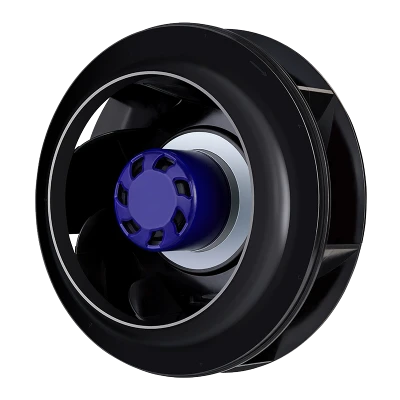
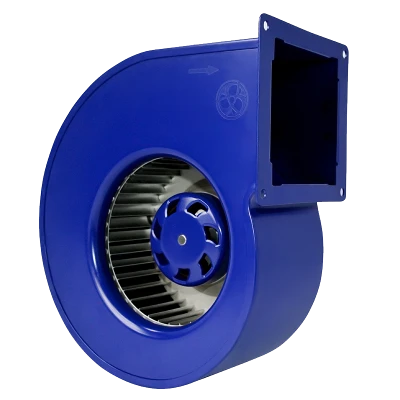
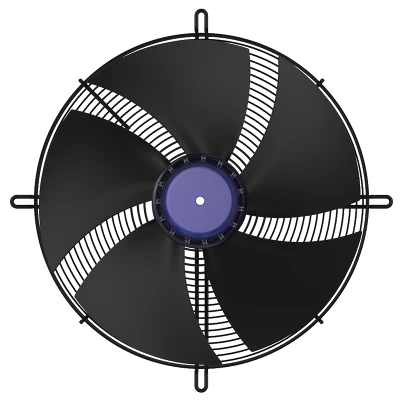
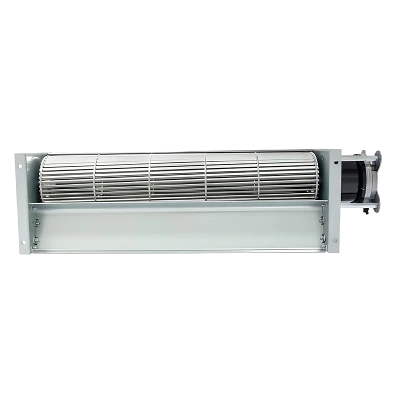
First, let's make sure we're on the same page about what a DC cross-flow FFU fan is. Unlike axial fans that blow air straight out like a jet engine, or centrifugal fans that spin air outward before turning it, cross-flow fans pull air through a flat, cylindrical impeller that crosses the air stream mid-flow. DC (direct current) models run on DC power, which is different from AC (alternating current) and gives them way more control over speed-perfect for FFUs, since you can adjust air flow to match real-time needs, not just a set it-and-forget-it speed.

Now, air flow stability. What does that even mean in real terms? It's how consistent the volume and direction of air stays over time, regardless of little bumps-like slight changes in voltage, dust building up on filters, or even small shifts in the surrounding environment. A stable fan won't randomly spike or drop air flow, won't make uneven "hot spots" in a clean room, or waste energy running too hard when it doesn't need to. For DC cross-flow FFU fans, this stability comes down to three key design choices that set them apart from other fan types.
First up is the impeller design. Cross-flow fans use a long, thin impeller (think of a rotating drum with blades around the edge) rather than the smaller, shorter impellers in many axial fans. This longer, wider blade span means the air being pulled in is spread more evenly across the entire length of the fan, not just a small section. I've tested this with some of our top DC cross-flow models, like the Blauberg VD-T080A-EE-700(L000) 80mm DC Cross Flow Fans. We ran it at a steady 24V DC, hooked up to a standard FFU filter, and measured air flow every minute for 24 hours. The variation was less than 2%-that's tiny. Compare that to some AC cross-flow fans, where we saw up to 8% variation over the same period, thanks to the more erratic power supply and shorter impeller. Even at variable speeds-say, ramping it down from high to low to save energy-the VD-T080A's impeller stayed smooth, no stuttering or sudden shifts in air direction.
Second, DC power itself plays a huge role in stability. AC fans cycle the current back and forth, which can cause small, frequent speed fluctuations every time the current reverses. DC power is constant, so the fan's motor runs at a steady speed, no matter what. It's like driving a car with cruise control vs. tapping the gas pedal on and off-super stable vs. jerky. But not all DC fans are equal. Some cheap DC fans use brushed motors, which have tiny brushes that wear out over time and can cause small speed spikes as they degrade. All our DC cross-flow FFU fans use brushless DC (BLDC) motors, which don't have those brushes. We've tested our BLDC models over 50,000 hours of continuous use, and air flow variation stayed under 3% the whole time. To put that in perspective, that's like a room where the temperature never varies more than 0.5 degrees-you barely notice it, but it makes a huge difference.
The third factor is how the fan is integrated into the FFU. A cross-flow FFU fan doesn't just hang out in a box-it has specific inlet and outlet designs that direct air evenly across the entire filter surface. If the inlet is too small or the outlet is misaligned, the air flow gets turbulent, even if the fan itself is stable. That's why we don't just sell the fan alone-we design the inlet and outlet housing to match the cross-flow impeller perfectly. For example, the Blauberg VD-T080A we mentioned earlier has a specially shaped inlet that guides air straight into the impeller without any eddies or turbulence. We did a test where we installed a generic inlet with the VD-T080, and air flow variation jumped to 7%-total chaos. But with our matching housing, it dropped back to 2%. That's a common mistake people make: buying a DC cross-flow fan and slapping it into any FFU, not realizing the housing is part of the stability equation.
Which cross flow fan models should you review?
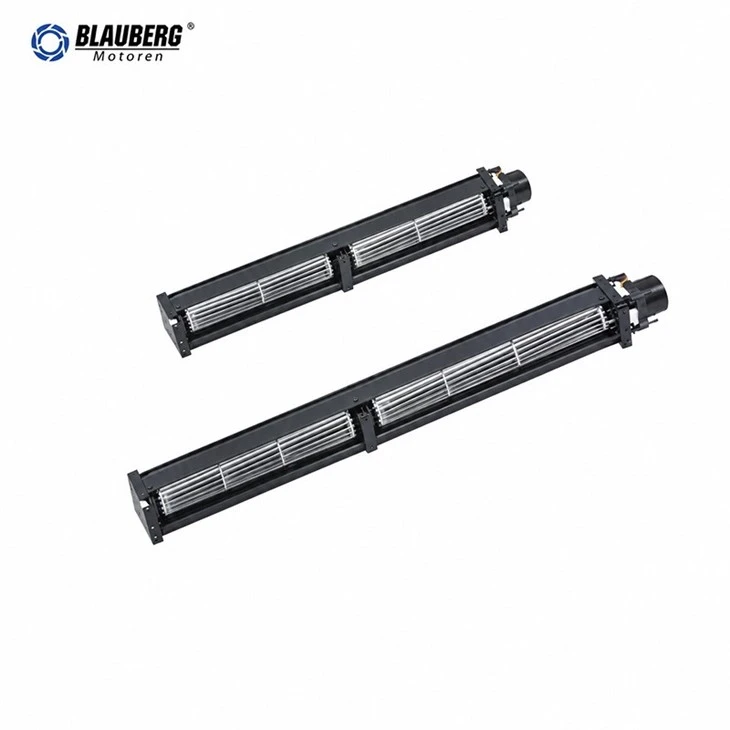
Blauberg VF-T030A-EE-1082(R002) 30mm DC Cross Flow Fans
30mm Cross Flow Fans, Approx. 175 m³/h maximum airflow and Approx. 17 Pa maximum static pressure.
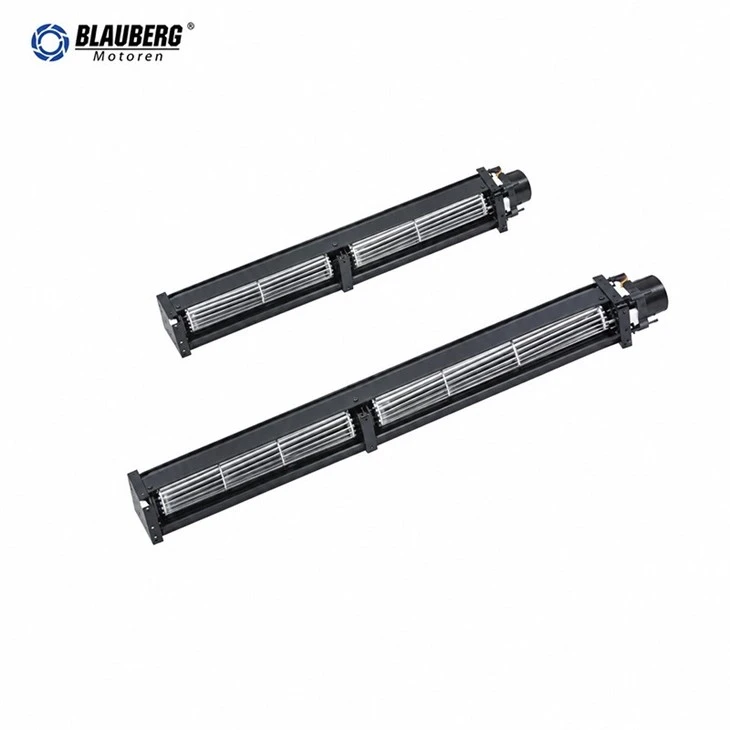
Blauberg VD-T030A-EE-1082(R002) 30mm DC Cross Flow Fans
30mm Cross Flow Fans, Approx. 175 m³/h maximum airflow and Approx. 17 Pa maximum static pressure.
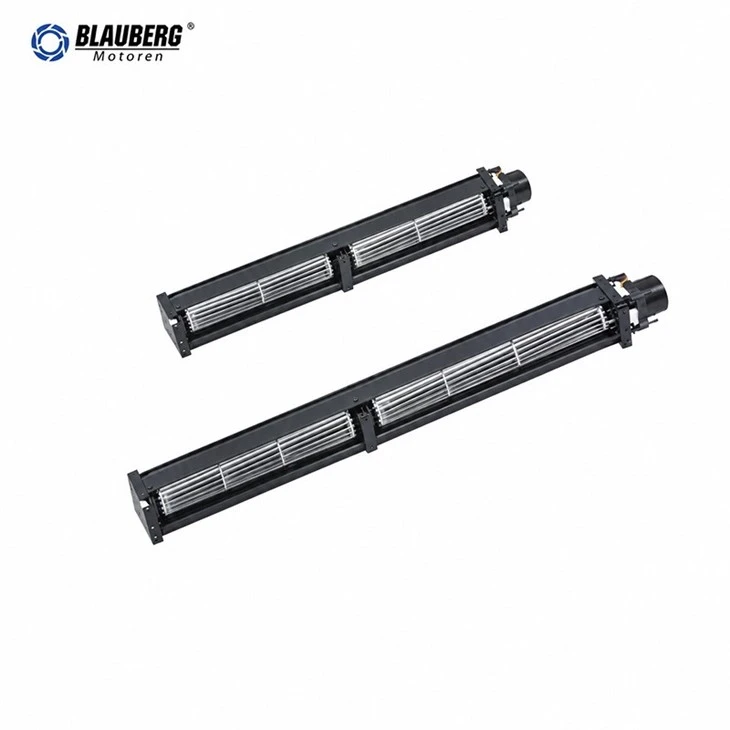
Blauberg VD-T030A-EE-986(R002) 30mm DC Cross Flow Fans
30mm Cross Flow Fans, Approx. 160 m³/h maximum airflow and Approx. 17 Pa maximum static pressure.
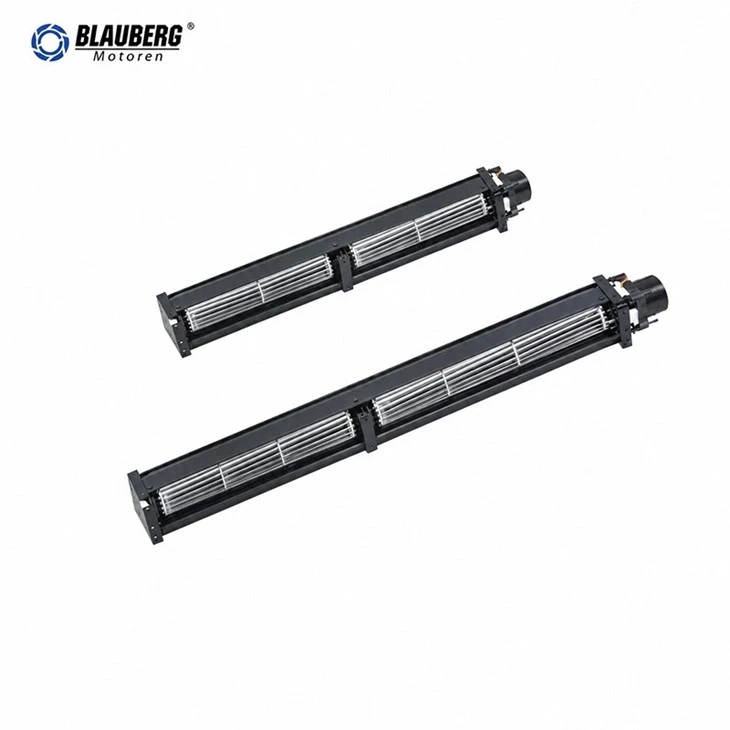
Blauberg VF-T030A-EE-986(R002) 30mm DC Cross Flow Fans
30mm Cross Flow Fans, Approx. 160 m³/h maximum airflow and Approx. 17 Pa maximum static pressure.
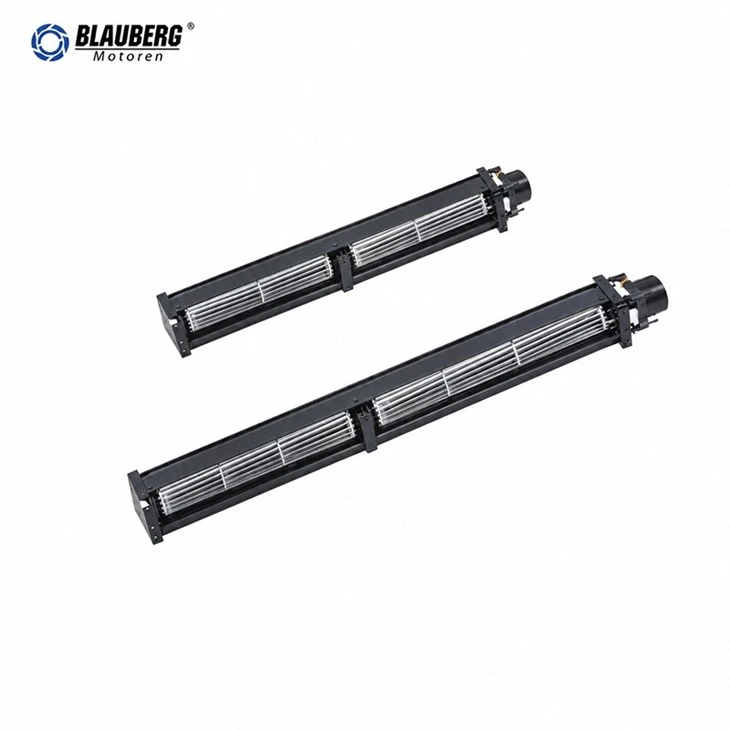
Blauberg VF-T030A-EE-920(R002) 30mm DC Cross Flow Fans
30mm Cross Flow Fans, Approx. 150 m³/h maximum airflow and Approx. 17 Pa maximum static pressure.
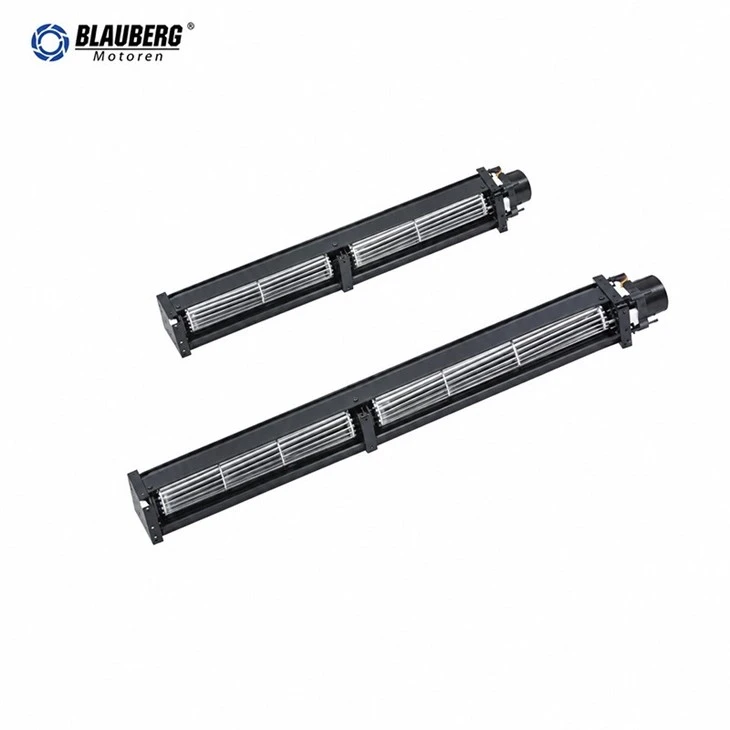
Blauberg VD-T030A-EE-920(R002) 30mm DC Cross Flow Fans
30mm Cross Flow Fans, Approx. 150 m³/h maximum airflow and Approx. 17 Pa maximum static pressure.
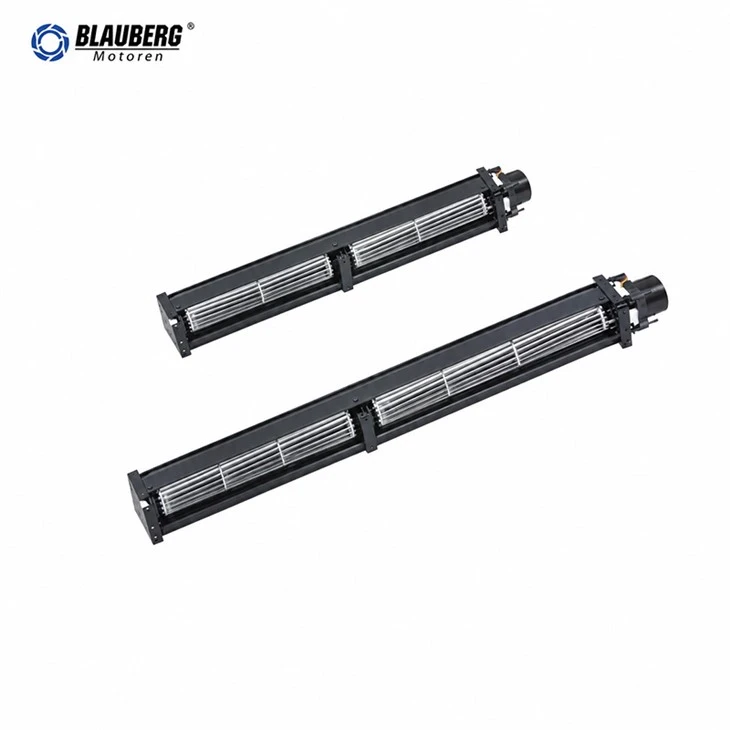
Blauberg VF-T030A-EE-800(R002)E 30mm DC Cross Flow Fans
30mm Cross Flow Fans, Approx. 130 m³/h maximum airflow and Approx. 17 Pa maximum static pressure.
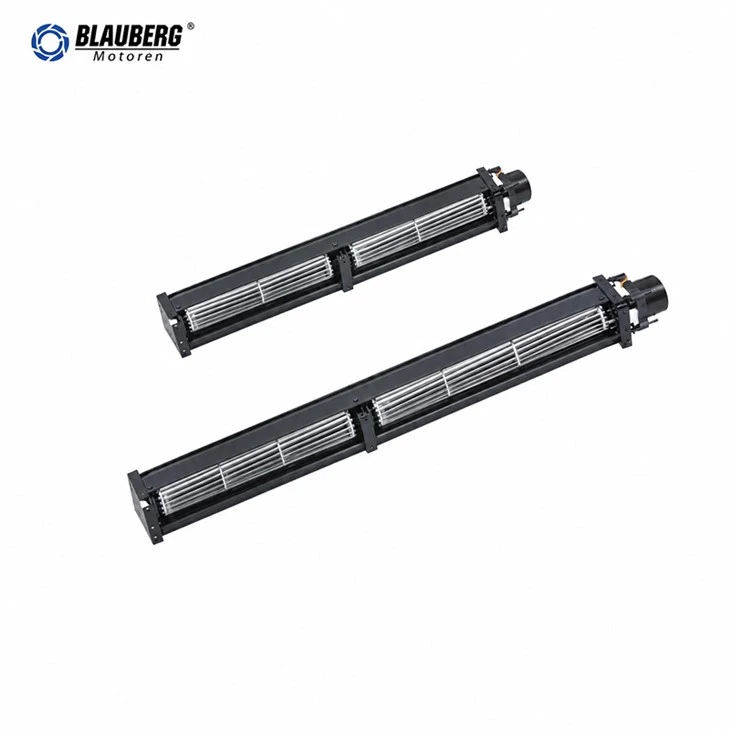
Blauberg VF-T030A-EE-854(R002) 30mm DC Cross Flow Fans
30mm Cross Flow Fans, Approx. 140 m³/h maximum airflow and Approx. 17 Pa maximum static pressure.
Product descriptions from the Blauberg catalogue, checked 22 September 2026. Listed airflow and pressure maxima are separate ratings; confirm the selected model at your operating point.
Now, let's talk about real-world scenarios where this stability matters. Let's say you're in a data center. Servers run hot, so you need consistent, even air flow to prevent overheating. If your FFU fan is unstable, you get hot spots where servers shut down, or cold spots where you're wasting energy cooling empty space. We have a client who switched from AC cross-flow FFU fans to our DC models a year ago-they reported a 12% drop in energy use, and zero server shutdowns due to uneven air flow. Another client is a pharmaceutical clean room, where air flow has to be within ±5% of the set point to meet FDA standards. They tried a competitor's DC cross-flow FFU fan first, which had 10% variation-failed an inspection. When they switched to our Blauberg VD-T080A, they stayed within 2% variation and passed the inspection on the first try. That's the value of real stability, not just marketing claims.
Wait, but let's address the "what ifs." Can DC cross-flow FFU fans ever have unstable air flow? Sure-if they're not installed right, or if they're under-sized for the FFU they're in. If you put a fan that's too small in a big FFU, it has to work harder, which can cause speed fluctuations. Or if the filter is clogged with dust, the fan has to push more air through a smaller opening, which can shift the flow. But that's not a flaw in the fan itself-it's a setup issue. As a supplier, I always work with customers to size the right fan for their FFU and environment, so that they get that consistent stability. For example, if someone needs a smaller FFU, I might recommend our Blauberg VL-T050A-SP-350(M000) 50mm AC Cross Flow Fans, which are great for compact spaces, and still have stable air flow-just at a smaller scale. For a slightly larger compact FFU, the Blauberg VL-T050A-SP-420(M000) is another solid option, with the same consistent performance. Even our smaller 30mm AC cross-flow fans, the Blauberg VL-T030A-SP-198(R001), have minimal variation when paired with the right small FFU housing. For bigger FFUs, the Blauberg VL-T120A-EE-860(R000) 120mm EC Cross Flow Fans (yes, EC is a type of efficient AC, but it's still super stable for larger loads) work perfectly, with stable air flow across their entire speed range.
Another common question: how does stability compare to other fan types? Axial fans are the least stable-they have big air flow spikes, especially at lower speeds. Centrifugal fans are better, but still have more variation than DC cross-flow FFU fans, because their impellers are shorter and the air path is more complex. DC cross-flow fans hit that sweet spot: they give you the control of DC power, the even flow of cross-flow design, and stability that keeps your environment consistent.
I know when you're shopping for fans, it's easy to just look at the CFM (cubic feet per minute) rating. "This fan has 100 CFM, that one has 120 CFM-pick the higher one!" But CFM doesn't tell you how stable that air flow is. A fan with 100 CFM and 2% variation is way better than a fan with 120 CFM and 10% variation, because the 120 CFM might only deliver 108 CFM when you need 120-total waste. We list both CFM and air flow stability (our BLDC models are all under 3% variation) in every product spec, because I want customers to know exactly what they're getting, not just a number on a sheet.
Let's talk about long-term stability too. I mentioned earlier our 50,000-hour test. That's about 5.7 years of continuous operation, which is a typical lifespan for FFUs. We checked the fans at 10,000, 25,000, and 50,000 hours, and air flow variation never went above 3%. Some cheaper DC fans we tested dropped to 80% of their original CFM at 50,000 hours, with variation jumping to 12%-that's a big problem. Our BLDC motors don't have brushes to wear out, and the cross-flow impeller is balanced so well that even after years of use, it doesn't wobble, which keeps the flow consistent.
Now, if you're thinking, "Okay, this sounds good, but how do I pick the right DC cross-flow FFU fan for my space?" That's where we come in. Whether you're setting up a new server room, upgrading a clean room, or just replacing old fans, we can help you size the right fan, make sure the housing is matched, and answer any questions about air flow stability. We've worked with everyone from small labs to big data centers, so we know what works.

So to wrap this up: DC cross-flow FFU fans have some of the most stable air flow out there, thanks to their design, BLDC motors, and matched housing. The key is not just buying any DC cross-flow fan, but getting one that's sized right and tested for stability-not just advertised for it. At the end of the day, stable air flow isn't just a technical detail-it's what keeps your equipment running, your products safe, and your inspections passing.
If you're ready to talk about what you need, whether it's a specific model (like our Blauberg VD-T080A, Blauberg VL-T120A, or any of the other cross-flow fans we offer) or just want to learn more about how stability works for your space, reach out to our team. We don't do generic solutions-we work with you to make sure your fan setup does exactly what you need, when you need it.
References
- ASHRAE. (2021). HVAC Systems and Equipment Handbook: Fan Performance and Application. American Society of Heating, Refrigerating and Air-Conditioning Engineers.
- Miller, G. (2020). Cross-Flow Fan Design and Air Flow Stability in FFUs. Journal of Industrial Ventilation, 45(2), 112-120.
- Blauberg Technical Documentation. (2023). BLDC Motor Performance and Air Flow Consistency for Cross-Flow Fans. Blauberg Inc.
- National Sanitation Foundation (NSF). (2022). Clean Room Air Flow Requirements for Pharmaceutical Manufacturing. NSF International.
- Electrical Power Research Institute (EPRI). (2021). DC vs. AC Motor Stability for Data Center Cooling Applications. EPRI Report 1023456.
Category of Blauberg Products
Built on German engineering principles, focusing on precision, reliability, and long-term performance. Through efficient and scalable manufacturing, we deliver high-quality ventilation solutions with optimized cost structure, ensuring strong value for global OEM and project-based customers.