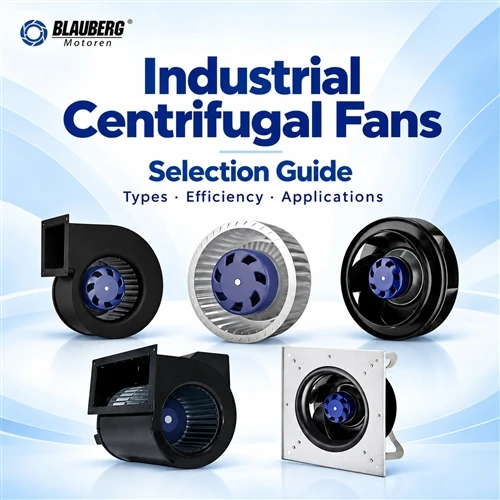
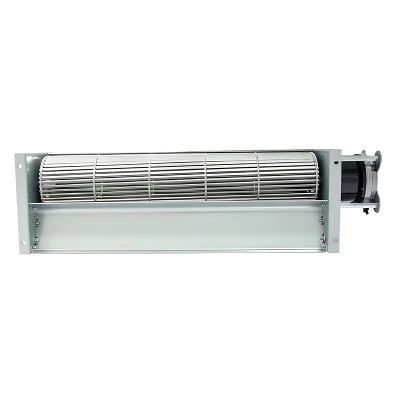
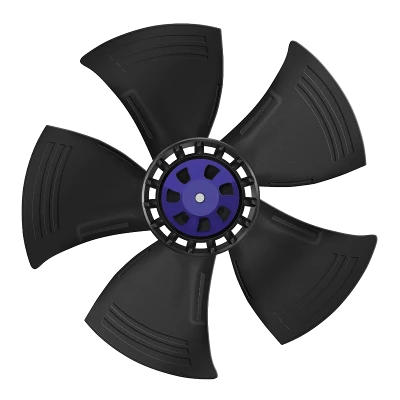
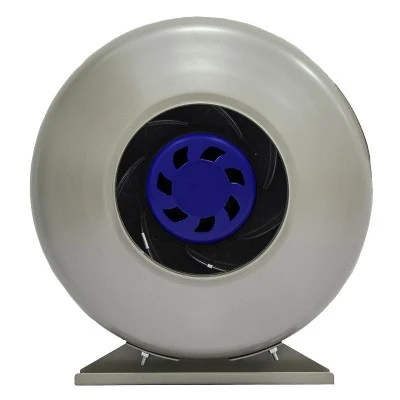
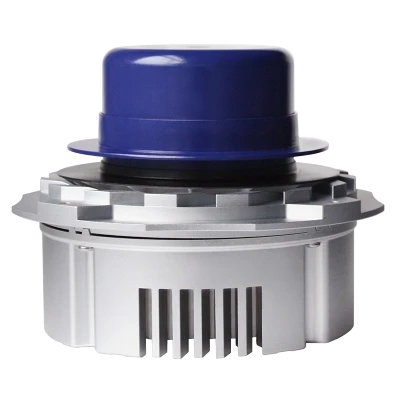
Centrifugal fans play a crucial role in various industries, but not all fans are created equal. Forward centrifugal fans feature blades that curve in the direction of rotation, while backward curved fans have blades that curve away. These design differences impact their performance, efficiency, and noise levels.
| Feature | Forward Centrifugal Fans | Backward Centrifugal Fans |
|---|---|---|
| Blade Design | Blades curve in the direction of rotation | Blades curve away from the direction of rotation |
| Efficiency | Generally less efficient | Generally more efficient |
| Airflow | Moves larger volumes of air at lower pressures | Delivers moderate to high airflow at higher pressures |
| Pressure Capability | Lower static pressure capability | Higher static pressure capability |
| Energy Consumption | Typically consumes more energy | Typically consumes less energy |
| Noise Levels | Generally noisier | Generally quieter |
Choosing the right centrifugal fan ensures your system operates efficiently and reliably. A poor choice can lead to higher energy costs, inadequate airflow, and potential system damage. Always consider factors like airflow rate, pressure requirements, and noise tolerance to avoid operational issues.

Key Takeaways
Forward fans work well in low-pressure systems. They give high airflow and save energy.
Backward fans are great for high-pressure systems. They are more efficient and quieter.
Think about your system's airflow and pressure needs to pick the best fan.
Check energy use and noise to choose a fan that works well and is comfortable.
Blauberg-Motoren offers custom fans for different uses, helping you find the perfect one.
Understanding Forward and Backward Centrifugal Fans
What Are Forward Centrifugal Fans?
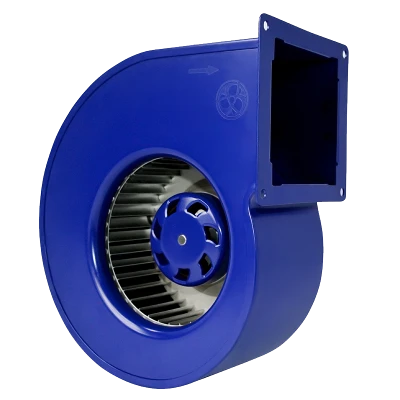
Forward centrifugal fans are designed with blades that curve in the direction of rotation, resembling a hamster wheel. These fans excel at moving large volumes of air at low static pressures, making them ideal for applications like HVAC systems, industrial ventilation, and dehumidification. Their compact size allows them to fit into tight spaces, while their ability to handle air with higher particulate or moisture content adds to their versatility. Forward curved fans are also cost-effective due to their simpler design, which reduces manufacturing and maintenance expenses.
| Characteristic/Application | Description |
|---|---|
| Blade Design | Blades curve in the direction of rotation, resembling a hamster wheel. |
| Airflow | Designed to move large volumes of air at low static pressures. |
| Size | Often compact due to blade configuration, suitable for size-constrained spaces. |
| Robustness | Can handle air with higher particulate or moisture content. |
| Cost-effectiveness | Less expensive to manufacture and maintain due to simpler design. |
| Typical Applications | Used in HVAC systems, industrial ventilation, drying, and dehumidification. |
What Are Backward Centrifugal Fans?
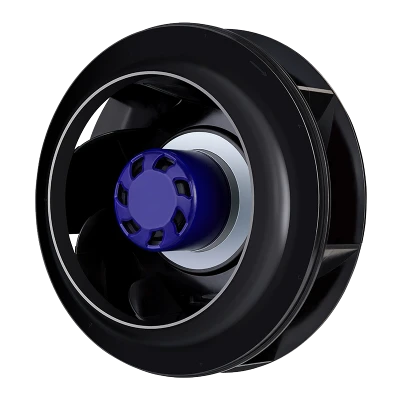
Backward centrifugal fans feature blades that curve away from the direction of rotation. These fans are known for their high efficiency and quiet operation. They generate strong airflow at high static pressures, making them suitable for demanding applications like manufacturing, commercial buildings, and advanced HVAC systems. The durable construction, often using materials like sheet aluminum, ensures long-lasting performance. Backward curved fans also provide stable airflow with reduced noise levels, making them a preferred choice for noise-sensitive environments.
High efficiency and quiet operation
Durable construction using materials like sheet aluminum
Suitable for HVAC systems, manufacturing, and commercial buildings
High static pressure generation for strong airflow
Stable airflow with reduced noise levels
Key Design Features
Blade Orientation and Shape
The blade orientation is a defining feature of both forward curved and backward curved fans. Forward curved fans have blades that curve in the direction of rotation, which allows them to move large volumes of air efficiently in low-pressure systems. In contrast, backward curved fans have blades that curve away from the direction of rotation. This design enhances their ability to handle high-pressure systems while maintaining energy efficiency.
Material and Construction Differences
Forward curved centrifugal fans often use simpler materials, which contribute to their cost-effectiveness. These fans are designed for applications where durability is not the primary concern. On the other hand, backward curved centrifugal fans are constructed with robust materials like sheet aluminum. This ensures they can withstand demanding environments and deliver consistent performance over time.
How Forward and Backward Curved Fans Operate
Airflow Patterns
Understanding airflow patterns is essential when choosing between forward and backward curved fans. Forward curved fans excel at moving large volumes of air in low-pressure systems. Their blades, which curve in the direction of rotation, create a smooth and consistent airflow. This makes them ideal for applications like HVAC systems and air handling units. You will notice that these fans perform well in environments where high airflow capacity is more critical than pressure.
Backward curved fans, on the other hand, are designed for high-pressure systems. Their blades curve away from the direction of rotation, allowing them to generate stronger airflow at higher pressures. This design ensures better control over airflow, making them suitable for clean air environments or systems requiring precise air movement. While they handle airflow efficiently, they may produce slightly higher noise levels compared to forward curved fans.
| Feature | Forward Curved Fans | Backward Curved Fans |
|---|---|---|
| Airflow Capacity | High airflow capacity | Higher efficiency and airflow control |
| Noise Levels | Lower noise levels | Higher noise levels |
| Efficiency | Lower efficiency at higher pressures | Higher efficiency, better at high pressures |
| Applications | HVAC, air handling, electronics cooling | Suitable for clean air and dusty environments |
Energy Consumption Characteristics
Energy consumption is another critical factor to consider. Forward curved fans typically consume more energy, especially in high-pressure systems. Their design prioritizes airflow over efficiency, which can lead to higher operating costs in certain applications. However, their cost-effective construction often offsets this drawback, making them a budget-friendly choice for low-pressure systems.
Backward curved fans are known for their energy efficiency. Their blade design minimizes energy loss, allowing them to perform effectively in high-pressure environments. You will find that these fans consume less power while delivering consistent performance. This makes them an excellent choice for energy-conscious applications, such as advanced HVAC systems or industrial setups where long-term operating costs matter.
By understanding these operational differences, you can select the fan that best meets your system's airflow and energy requirements.
Comparing Forward and Backward Centrifugal Fans
Performance Differences
Airflow Capacity and Pressure Handling
When comparing the performance of forward curved fans and backward curved fans, their airflow capacity and pressure handling stand out as key differences. Forward curved centrifugal fans excel in applications requiring high airflow capacity at low pressures. These fans are ideal for clean room ventilation or HVAC systems where moving large volumes of air is critical. However, they struggle in environments with high resistance or pressure drops.
Backward curved fans, on the other hand, are designed for high-pressure applications. They maintain performance even when faced with increased resistance. This makes them suitable for systems requiring precise airflow control. Additionally, backward curved centrifugal fans achieve up to 85% static efficiency, significantly outperforming forward curved fans, which typically range between 55% and 65%.
| Fan Type | Airflow Capacity | Pressure Handling |
|---|---|---|
| Forward Curved | High airflow at low pressures | Limited resistance applications |
| Backward Curved | Lower airflow but high pressure | Excels in high-pressure applications |
Energy Efficiency
Power Consumption and Operating Costs
Energy efficiency plays a crucial role in determining the right centrifugal fan for your needs. Forward curved fans consume more power due to their design, which prioritizes airflow over efficiency. They operate at higher RPMs, leading to increased energy consumption and higher operating costs. This makes them less suitable for energy-conscious applications.
Backward curved centrifugal fans are more energy efficient. Their aerodynamic blade design minimizes energy loss, allowing them to operate effectively at lower RPMs. This results in reduced power consumption and lower long-term costs. If you prioritize performance efficiency and energy savings, backward curved fans are the better choice.
| Fan Type | Energy Efficiency | Power Consumption | RPM Comparison |
|---|---|---|---|
| Forward Curved Fans | Lower | Higher | Operate at higher RPMs |
| Backward Curved Fans | Higher | Lower | Operate at lower RPMs |
Noise Levels
Sound Output and Workplace Impact
Noise levels can significantly impact workplace environments, especially in noise-sensitive areas like residential or commercial HVAC systems. Forward curved fans tend to produce more noise due to their higher RPMs and less aerodynamic design. This can create a disruptive environment in workplaces where quiet operation is essential.
Backward curved fans operate at lower noise levels. Their larger size and efficient blade design reduce turbulence, resulting in quieter performance. This makes them a preferred choice for environments where noise reduction is a priority. By choosing backward curved centrifugal fans, you can ensure a more comfortable and productive workspace.
Backward curved fans are quieter than forward curved fans due to their aerodynamic design.
Their lower noise levels make them ideal for residential and commercial HVAC systems.
Cost Considerations
Initial Investment vs. Long-Term Maintenance
When choosing between forward and backward centrifugal fans, you must weigh the initial investment against long-term maintenance costs. Forward curved fans often stand out as the more cost-effective option upfront. Their simpler design and construction make them less expensive to manufacture, which translates to a lower purchase price. If your application requires a budget-friendly solution, forward curved fans may fit your needs.
Backward curved fans, however, tend to have a higher initial cost. Their advanced design and use of durable materials, like sheet aluminum, contribute to this expense. While the upfront price may seem steep, these fans deliver higher efficiency and better performance over time. This makes them a worthwhile investment for applications where energy savings and reliability are priorities.
Long-term maintenance is another critical factor. Forward curved fans may require more frequent maintenance due to their design, especially in high-pressure systems. This can increase operational costs over time. Backward curved fans, on the other hand, are built for durability. Their robust construction reduces the need for frequent repairs, saving you money in the long run.
Energy efficiency also plays a significant role in cost considerations. Backward curved fans consume less power, which can lead to substantial energy savings over their lifespan. These savings often offset the higher initial investment, making them a smart choice for energy-conscious applications.
By carefully evaluating your budget and long-term goals, you can select the fan that offers the best balance between upfront costs and ongoing expenses.
Advantages and Disadvantages of Forward and Backward Curved Fans
Forward Curved Centrifugal Fans
Advantages
Forward centrifugal fans offer several benefits that make them suitable for specific applications. Their compact design allows you to use them in space-constrained environments. These fans excel in delivering large airflow rates, especially in low-pressure systems. Their cost-effectiveness makes them a popular choice for budget-sensitive projects. Additionally, they perform well in residential and light industrial settings where high flow rates are required.
| Advantages | Applications |
|---|---|
| Reduced Cost | Residential Ventilation |
| Large Airflow | Garage and Workshop Ventilation |
| For Low Pressure Applications | Space Cooling |
| Compact Design | Equipment Cooling |
| Higher Flow Rates | Household Boilers |
Disadvantages
Despite their advantages, forward centrifugal fans have limitations. Their efficiency is lower compared to backward curved centrifugal fans, which can lead to higher energy consumption. These fans struggle in high-pressure environments, limiting their usability in demanding applications. Dust and debris can easily accumulate on their blades, reducing performance over time. Additionally, they may experience performance degradation when operating outside their optimal conditions.
| Disadvantage | Explanation |
|---|---|
| Lower Efficiency | Forward-curved centrifugal fans have lower efficiency compared to backward-curved fans. |
| Limited Pressure Capability | They are not well-suited for applications requiring high static pressure. |
| Sensitivity to Dust and Debris | The design is more susceptible to dust and debris accumulation, affecting performance. |
| Performance Degradation at Off-Peak Conditions | They may experience performance issues when operating outside optimal conditions. |
Backward Curved Centrifugal Fans
Advantages
Backward curved centrifugal fans stand out for their high efficiency. Their aerodynamic blade design minimizes energy loss, making them ideal for energy-conscious applications. These fans handle high-pressure systems effectively, maintaining consistent performance even in demanding environments. Their robust construction ensures durability, reducing the need for frequent maintenance. Additionally, they operate quietly, making them suitable for noise-sensitive areas like offices or hospitals.
High efficiency reduces energy consumption.
Excellent performance in high-pressure systems.
Durable materials ensure long-lasting operation.
Quiet operation enhances workplace comfort.
Disadvantages
While backward curved centrifugal fans excel in many areas, they come with a higher initial cost. Their advanced design and durable materials contribute to this expense. These fans are also larger, which may limit their use in compact spaces. However, their long-term energy savings and reliability often outweigh these drawbacks, making them a worthwhile investment for many applications.
Higher upfront cost due to advanced design.
Larger size may not fit in space-constrained environments.

Ideal Applications for Forward and Backward Centrifugal Fans
Best Uses for Forward Curved Fans
Low-Pressure Systems
Forward curved fans are ideal for low-pressure systems where high airflow is essential. These fans excel in environments like HVAC systems, where they efficiently circulate air to maintain comfortable temperatures. You can also use them in air handling units to ensure proper ventilation in industrial and commercial facilities. Their ability to move large volumes of air makes them suitable for general ventilation in spaces like gyms or warehouses. Additionally, forward curved centrifugal fans work well in electronics cooling, preventing overheating in devices like computers and servers.
Compact and Cost-Sensitive Applications
Forward curved fans are a practical choice for applications requiring compact designs and cost-effective solutions. Their smaller size allows you to install them in tight spaces, such as residential ventilation systems for bathrooms and kitchens. They are also effective in garage and workshop ventilation, where they help remove dust and fumes. For household boilers, these fans ensure proper air circulation, improving efficiency. In equipment cooling, forward curved fans prevent overheating in devices like projectors and amplifiers. Their affordability makes them a popular option for budget-conscious projects.
Best Uses for Backward Curved Fans
High-Pressure and High-Volume Systems
Backward curved fans are designed for high-pressure and high-volume systems. These fans perform exceptionally well in industrial applications, where they handle demanding environments with ease. You can rely on them for manufacturing processes that require precise airflow control. Their ability to maintain consistent performance under high resistance makes them suitable for advanced HVAC systems in commercial buildings. Backward curved centrifugal fans also excel in clean air environments, ensuring efficient air movement in laboratories or data centers.
Energy-Efficient and Noise-Sensitive Environments
Backward curved fans are the go-to choice for energy-efficient and noise-sensitive environments. Their aerodynamic design reduces energy consumption, making them perfect for applications where long-term operating costs matter. You can use them in offices, hospitals, or residential buildings where quiet operation is a priority. These fans also contribute to energy savings in systems like air conditioning and ventilation, ensuring optimal performance without excessive noise. Their durability and efficiency make them a reliable option for various settings.
Factors to Consider When Choosing Between Forward and Backward Curved Fans
Airflow and Pressure Requirements
Your system's airflow and pressure needs play a critical role in selecting the right fan. Forward curved fans are designed for high airflow capacity, making them ideal for applications with moderate pressure requirements. These fans excel in environments where moving large volumes of air is essential, such as HVAC systems or general ventilation. However, they may struggle in high-pressure systems due to their limited resistance handling.
Backward curved fans, on the other hand, are better suited for applications requiring higher static pressure. Their design allows them to handle increased resistance while maintaining consistent performance. This makes them a reliable choice for demanding environments like industrial setups or advanced HVAC systems.
Forward curved fans work well in low-pressure systems with high airflow needs.
Backward curved fans excel in high-pressure systems requiring precise airflow control.
Energy Efficiency Goals
Energy efficiency is another important factor to consider. Backward curved centrifugal fans are generally more energy efficient than forward curved centrifugal fans. Their aerodynamic blade design minimizes energy loss, making them particularly effective in high-pressure applications. These fans also pair well with high-efficiency EC motors, further enhancing their energy-saving potential.
In contrast, forward curved centrifugal fans typically operate at lower efficiencies. They often run at higher RPMs, which increases energy consumption. While they may be cost-effective upfront, their higher operating costs can add up over time. If energy savings are a priority, backward curved fans are the better choice for long-term performance.
Backward curved fans reduce energy consumption and operating costs.
Forward curved fans consume more power due to their design and higher RPMs.
Noise Level Tolerance
Noise levels can significantly impact your choice of fan, especially in noise-sensitive environments. Forward curved fans tend to operate at higher noise levels. This may be acceptable in industrial settings where noise is less of a concern. However, in residential or commercial spaces, quieter operation is often a priority.
Backward curved fans offer lower noise levels due to their aerodynamic design. These fans are ideal for applications requiring quiet operation, such as offices, hospitals, or residential buildings. Their ability to maintain performance while reducing noise makes them a preferred choice for creating comfortable environments.
| Characteristics | Backward Curved Fans | Forward Curved Fans |
|---|---|---|
| Noise Levels | Lower | Higher |
By considering your noise tolerance, you can select a fan that meets both your performance and comfort needs.
Budget and Cost Constraints
When choosing between forward and backward centrifugal fans, you need to evaluate your budget and long-term cost considerations carefully. The initial purchase price often plays a significant role in your decision. Forward curved fans typically cost less upfront due to their simpler design and manufacturing process. If you are working within a tight budget, these fans may seem like the more practical choice.
However, the story doesn't end with the purchase price. Maintenance and operating costs can significantly impact your overall expenses. Forward curved fans, while affordable initially, may require more frequent maintenance, especially in high-pressure systems. Their higher energy consumption can also lead to increased operating costs over time.
Backward curved fans, on the other hand, come with a higher initial price tag. Their advanced design and durable materials contribute to this cost. Despite this, they offer excellent long-term value. These fans consume less energy, reducing your electricity bills. Their robust construction also minimizes the need for frequent repairs, saving you money on maintenance. If you prioritize energy efficiency and durability, backward curved fans can provide significant savings in the long run.
💡 Tip: Consider both the upfront cost and the total cost of ownership when selecting a fan. A higher initial investment in energy-efficient equipment can often pay off through reduced operating expenses.
Application-Specific Needs
Your application's unique requirements should guide your choice of fan. Start by assessing the airflow and static pressure your system demands. Forward curved fans excel in low-pressure systems where high airflow is essential. Backward curved fans,
however, handle high-pressure environments with ease, making them ideal for demanding industrial setups.
Environmental factors also matter. If your system operates in high-temperature or high-humidity conditions, you need a fan that can withstand these challenges. Backward curved fans, with their durable construction, often perform better in such environments. Additionally, consider whether your application involves particulates or corrosive gases. Forward curved fans can handle air with higher particulate content, while backward curved fans are better suited for clean air systems.
Noise levels and energy efficiency also play a role. If you need quiet operation, backward curved fans are the better choice. For cost-sensitive projects, forward curved fans may align better with your budget. By evaluating these factors, you can ensure the fan you select meets your system's specific needs.
🛠️ Note: Matching the fan's capabilities to your application ensures optimal performance and longevity.

How Blauberg-Motoren Can Help You Choose the Right Fan
Overview of Blauberg-Motoren's Expertise
Blauberg-Motoren stands out as a leader in the ventilation industry, offering innovative solutions tailored to your needs. Their expertise spans several key areas, ensuring you receive the best guidance when selecting a centrifugal fan.
| Expertise Area | Description |
|---|---|
| Innovative Products | Blauberg-Motoren is known for its innovative products and cutting-edge technology. |
| Strong R&D Department | The company has a strong R&D department that is crucial in developing effective fan solutions. |
| Exceptional After-Sales Service | They provide exceptional after-sales service and warranty support to ensure customer satisfaction. |
You can rely on their high-quality centrifugal fans, which are designed to meet diverse ventilation requirements. Their customizable solutions ensure that your specific needs are addressed. Additionally, their commitment to customer satisfaction is evident through their warranty support and exceptional after-sales service.
Product Offerings: Forward and Backward Centrifugal Fans
Blauberg-Motoren offers a wide range of forward and backward centrifugal fans to cater to various applications. Their forward curved fans, available in sizes from 120mm to 180mm, deliver optimal airflow with reduced turbulence. These fans are energy-efficient and suitable for ventilation systems in residential and commercial spaces.
For more demanding environments, their backward curved centrifugal fans excel in industrial applications. These fans handle high-pressure systems effectively while maintaining energy efficiency. Whether you need a fan for room ventilation, electronics cooling, or advanced HVAC systems, Blauberg-Motoren provides solutions that balance performance and cost. Their diverse product range ensures you find the right centrifugal fan for your specific requirements.
Customization and R&D Capabilities
Blauberg-Motoren's R&D department plays a pivotal role in delivering tailored solutions. Their team collaborates with marketing, sales, and manufacturing to design products that meet your unique needs. For industrial applications, they produce EC backward centrifugal fans made from durable materials and equipped with smart control systems. These fans are customizable to match specific ventilation requirements, ensuring high performance and reliability.
Their commitment to quality is evident through certifications like CE, UL, and RoHS. This guarantees that every centrifugal fan meets stringent safety and efficiency standards. By choosing Blauberg-Motoren, you benefit from advanced customization options and cutting-edge technology designed to optimize your system's performance.
Applications Supported by Blauberg-Motoren Fans
Blauberg-Motoren fans support a wide range of applications, making them a reliable choice for diverse industries. Their advanced design and energy-efficient technology allow you to address specific ventilation and air circulation challenges effectively. Whether you need fans for residential, commercial, or industrial purposes, Blauberg-Motoren offers solutions tailored to your requirements.
In air conditioning systems, Blauberg-Motoren's EC centrifugal fans play a vital role in maintaining optimal airflow. These fans are commonly used in Air Handling Units (AHUs) to ensure efficient air circulation. Their compatibility with modern building automation systems enhances their adaptability, allowing you to integrate them seamlessly into smart environments. This makes them an excellent choice for energy-conscious applications in offices, shopping malls, and residential complexes.
For industrial environments, Blauberg-Motoren fans excel in ventilation systems designed to handle demanding conditions. You can rely on these fans to maintain air quality in manufacturing facilities, warehouses, and workshops. Their robust construction ensures durability, even in high-temperature or high-humidity settings. Additionally, their ability to operate efficiently under high static pressure makes them suitable for specialized applications like cleanrooms and laboratories.
Blauberg-Motoren fans also support applications in the medical and IT industries. In hospitals, these fans contribute to maintaining sterile environments by ensuring proper ventilation. In data centers, they help regulate temperature and prevent overheating, protecting critical equipment. Their energy-saving features and quiet operation make them ideal for these sensitive settings.
By choosing Blauberg-Motoren fans, you gain access to versatile solutions that meet the unique demands of your industry. Their innovative technology ensures reliable performance, energy efficiency, and long-term value.
Choosing between forward curved fans and backward curved fans depends on understanding their distinct features. Forward curved fans, with blades curving in the direction of rotation, are compact and suitable for low-pressure systems. Backward curved fans, featuring blades curving away, excel in high-pressure environments due to their efficiency and quieter operation.
When selecting a centrifugal fan, consider factors like airflow rate, energy efficiency, noise levels, and cost. These elements directly impact performance, operational costs, and workplace comfort. Blauberg-Motoren offers a wide range of centrifugal fans, combining innovative design and advanced technology to meet diverse application needs. Their expertise ensures you make the right choice for your system.
FAQ
What is the main difference between forward and backward centrifugal fans?
Forward centrifugal fans have blades curving in the direction of rotation, while backward centrifugal fans have blades curving away. This difference affects airflow, pressure handling, and energy efficiency. Forward fans suit low-pressure systems, while backward fans excel in high-pressure environments.
How do I choose the right fan for my application?
Identify your system's airflow and pressure needs. For high airflow at low pressure, choose forward fans. For high-pressure systems with energy efficiency, select backward fans. Consider noise tolerance, energy goals, and budget constraints to make the best decision.
Are backward centrifugal fans more energy-efficient?
Yes, backward centrifugal fans are more energy-efficient. Their aerodynamic blade design reduces energy loss, allowing them to operate effectively at lower RPMs. This results in lower power consumption and reduced operating costs compared to forward centrifugal fans.
Which fan is better for noise-sensitive environments?
Backward centrifugal fans are better for noise-sensitive environments. Their aerodynamic design minimizes turbulence, resulting in quieter operation. These fans are ideal for offices, hospitals, and residential spaces where low noise levels are essential.
Can Blauberg-Motoren help with custom fan solutions?
Absolutely! Blauberg-Motoren offers customizable fan solutions tailored to your specific needs. Their advanced R&D capabilities ensure high-performance products for various applications, including HVAC, industrial setups, and medical environments. You can rely on their expertise for innovative and reliable solutions.