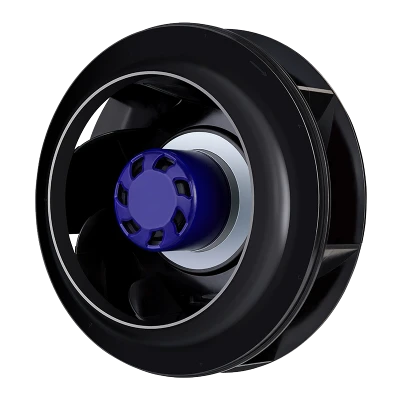
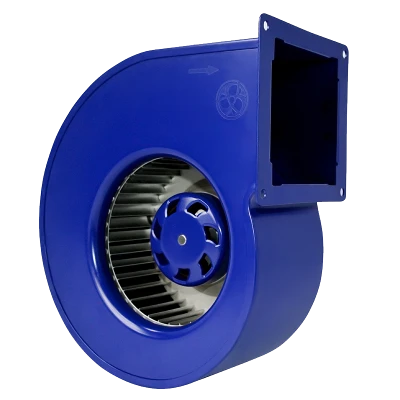
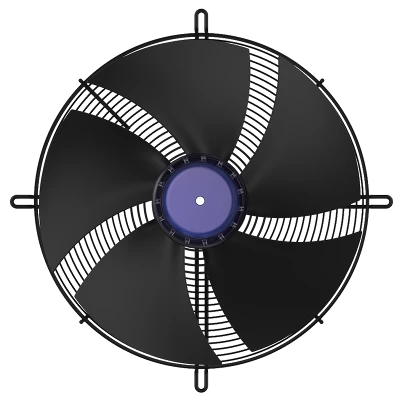
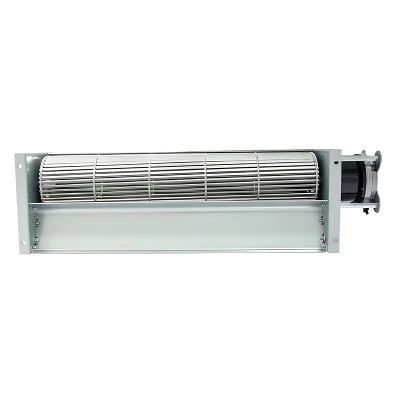
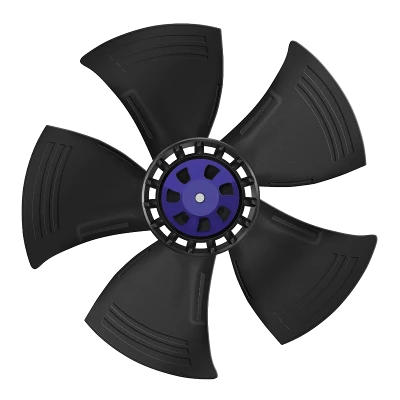
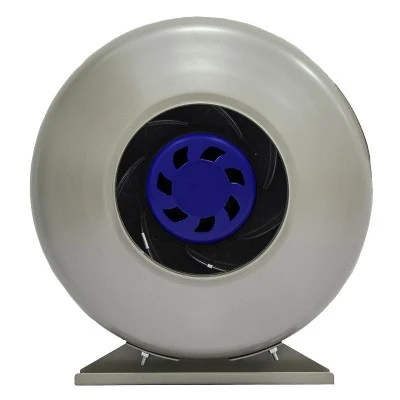
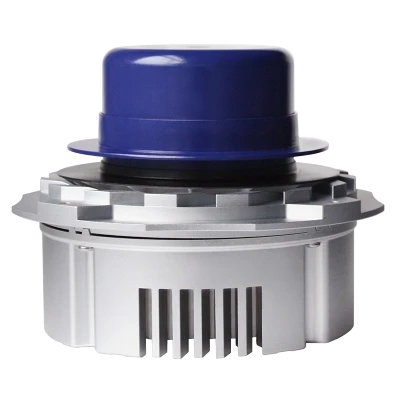
A backward curved centrifugal fan is a high-performance device designed to move air or gas efficiently. Its blades curve away from the direction of rotation, enabling smooth airflow and reducing turbulence. This design minimizes noise while delivering high pressure and volume airflow, making it ideal for noise-sensitive environments.
You'll find backward curved fans essential in industrial and commercial settings. They excel in HVAC systems, air purification units, and industrial ventilation. Their energy-efficient operation helps lower costs and ensures consistent performance, even in demanding applications like heat recovery and air conditioning.
With their durable construction and maintenance-free bearings, backward curved fans offer long-lasting reliability. These fans operate across a wide temperature range, making them versatile for various industries, from manufacturing to medical facilities.
Key Takeaways
Backward curved fans work efficiently, saving energy and lowering costs.
They are quiet, perfect for places needing less noise like homes.
Strong materials and no-maintenance parts make them last longer.
These fans are great for HVAC, air cleaning, and ventilation.
Using these fans improves air quality and saves energy too.
How Backward Curved Centrifugal Fans Work
The Role of Backward-Curved Blades
Backward curved fans rely on their unique blade design to deliver exceptional performance. The blades curve away from the direction of rotation, which allows for smooth airflow and reduces turbulence. This design not only enhances the fan's ability to generate high pressure but also ensures efficient airflow capacity. You'll notice that backward curved centrifugal fans perform better than other fan types when it comes to handling higher pressures without consuming excessive energy. Their ability to maintain performance efficiency makes them a preferred choice in demanding applications like HVAC systems and industrial ventilation.
Airflow and Pressure Mechanism
The mechanism behind backward curved fans is both simple and effective. The blades push air in the opposite direction of the impeller's rotation. This movement creates high pressure and ensures consistent airflow through the fan. The curved blades minimize turbulence, which improves the fan's overall performance. If you need a fan that can handle high-pressure requirements while maintaining steady airflow capacity, backward curved centrifugal fans are an excellent option. Their design ensures that air moves efficiently, making them suitable for applications requiring reliable airflow and pressure control.
Energy Efficiency and Performance
Backward curved fans excel in energy efficiency. Their blade design allows them to produce high pressure and high-volume airflow while consuming less energy compared to other centrifugal fan types. These fans can achieve static efficiencies of up to 85%, significantly reducing energy consumption and operational costs. In cleanroom environments or HVAC systems, backward curved centrifugal fans stand out for their ability to combine energy efficiency with superior performance. By choosing these fans, you not only save on energy costs but also contribute to sustainability efforts.
Key Features of Backward Curved Fans
Blade Design and Non-Overloading Horsepower
The blade design of backward curved fans sets them apart from other centrifugal fan types. These fans feature blades that curve away from the direction of rotation. This unique curvature ensures smooth airflow, reducing turbulence and enhancing efficiency.
The larger and more curved blades allow for better pressure generation.
This design prevents overloading of horsepower, even when operating at high speeds.
You'll notice that the fan maintains consistent performance without consuming excessive energy.
By minimizing turbulence, backward curved centrifugal fans deliver reliable airflow and pressure control. This makes them an excellent choice for applications requiring high efficiency and stable operation.
Noise Reduction and Smooth Operation
Backward curved fans excel in environments where noise reduction is critical. Their design minimizes turbulence, which significantly reduces noise levels.
The blades curve away from the direction of rotation, facilitating smooth airflow and quieter operation.
Additional features like acoustic enclosures and optimized inlet and outlet designs further enhance their performance. These components absorb sound waves and reduce vibrations, ensuring smooth and quiet operation. You'll find these fans ideal for residential, commercial, and industrial spaces where maintaining a peaceful environment is essential.
Durability and Longevity
Backward curved centrifugal fans are built to last. High-quality materials, such as stainless steel, provide excellent resistance to corrosion. This makes them suitable for harsh environments, including those with aggressive chemicals or high humidity.
The sturdy blade construction reduces wear, ensuring long-term reliability. Maintenance-free bearings further enhance their durability, allowing the fans to operate continuously with minimal upkeep. You can rely on these fans for consistent performance over extended periods, even in demanding applications.
Their robust design and efficient operation make backward curved fans a cost-effective solution for industries requiring durable and long-lasting equipment.
Advantages of Backward Curved Centrifugal Fans
High Energy Efficiency and Cost Savings
Backward curved fans offer exceptional energy efficiency, making them a cost-effective choice for various applications. Their unique blade design allows them to achieve static efficiencies of up to 85%, significantly higher than forward curved fans, which typically range between 55% and 65%. This high efficiency reduces energy consumption and operational costs over time.
Although backward curved centrifugal fans may have a higher initial cost due to their larger blades and complex manufacturing process, their long-term benefits outweigh the investment. You'll save on energy bills while enjoying consistent performance. These fans also deliver high airflow without excessive energy use, making them ideal for energy-conscious environments like HVAC systems and cleanrooms.
Low Maintenance Requirements
Backward curved fans require minimal maintenance, thanks to their robust construction and advanced components. Maintenance-free bearings and durable materials ensure a long service life with little upkeep. Unlike forward curved fans, which demand more frequent maintenance, backward curved centrifugal fans provide reliable operation with less effort.
| Characteristics | Backward Curved Fans | Forward Curved Fans |
|---|---|---|
| Maintenance | Less frequent | More frequent |
This reduced maintenance translates to lower costs and less downtime. You'll appreciate the convenience of owning a fan that performs efficiently without constant attention. Their sturdy design ensures durability, even in demanding environments.
Versatility Across Applications
Backward curved fans excel in a wide range of applications. Their design supports both indoor and outdoor use, making them suitable for diverse environments. You'll find these fans in air purifiers, roof fans, and heat recovery units. They also play a vital role in heating and cooling systems, air purification systems, and various ventilation setups.
Effective in air purifiers and ventilation systems.
Suitable for roof fans and heat recovery units.
Ideal for heating and cooling applications.
Designed for both indoor and outdoor environments.
This versatility ensures that backward curved centrifugal fans meet the needs of industries like medical, manufacturing, and residential spaces. Their ability to handle high airflow and pressure requirements makes them a reliable choice for numerous scenarios.
Applications of Backward Curved Centrifugal Fans
HVAC Systems and Ventilation
Backward curved fans play a vital role in HVAC systems, which are commonly found in homes and commercial buildings. These fans handle higher pressure applications effectively, ensuring efficient airflow throughout the system.
They help maintain high air quality and comfortable temperatures by moving large volumes of air at high pressures.
Their high efficiency reduces energy consumption, saving you money on operational costs.
Quiet operation makes them ideal for residential and commercial spaces where noise reduction is essential.
Their durable design minimizes maintenance needs, ensuring long-lasting performance.
You'll find backward curved centrifugal fans particularly effective in air handling units and air purification systems. Their ability to deliver high airflow capacity ensures consistent and reliable ventilation, making them indispensable in HVAC applications.
Industrial Processes and Equipment
Backward curved fans excel in industrial settings by optimizing airflow while minimizing energy consumption. Their design ensures cost-effective and environmentally friendly operation.
These fans improve air quality by removing dust and particles, creating healthier work environments.
They reduce equipment maintenance by filtering out contaminants, extending the lifespan of machinery.
Their ability to handle high resistance ensures consistent airflow and pressure, even in demanding applications.
For example, you'll see these fans used in printing presses, laser cutting machines, and dust collection systems. Their quiet operation and high efficiency make them suitable for noise-sensitive environments, while their durability ensures reliable performance over time.
Clean Air and Purification Systems
Backward curved centrifugal fans contribute significantly to clean air systems. They ensure consistent airflow, which is crucial for maintaining stringent air quality standards in cleanrooms and laboratories.
These fans effectively remove airborne particles, reducing contamination risks.
Their high efficiency minimizes energy consumption, supporting sustainability efforts.
By enhancing air quality, they create healthier and safer environments for workers and equipment.
You'll find these fans essential in air filtration units and purification systems. Their ability to handle high-pressure applications ensures optimal performance, making them a reliable choice for maintaining clean and controlled environments.
Comparison with Other Types of Fans
Backward Curved vs. Forward Curved Fans
When comparing backward curved fans to forward curved fans, you'll notice significant differences in design and performance. Backward curved fans excel in efficiency and high-pressure applications, while forward curved fans are better suited for low-pressure environments. The table below highlights their key differences:
| Feature | Forward Curved Fans | Backward Curved Fans |
|---|---|---|
| Airflow Capacity | High airflow capacity | Higher efficiency |
| Noise Levels | Lower noise levels | Higher noise levels |
| Efficiency at High Pressures | Lower efficiency at higher pressures | Better performance at higher pressures |
| Cost | More cost-effective | Generally higher cost |
| Applications | HVAC systems, air handling units, electronics cooling | HVAC systems, cleanrooms, industrial processes, data centers |
If you need a fan for high-pressure environments or industrial processes, backward curved fans are the better choice. However, forward curved fans work well in applications requiring high airflow with minimal noise.
Backward Curved vs. Radial Fans
Backward curved fans and radial fans differ in their ability to handle airflow and pressure requirements. Radial fans are ideal for moving air in systems with high resistance, such as dust collection or pneumatic conveying. In contrast, backward curved fans provide better energy efficiency and quieter operation.
Radial fans often have a simpler design, making them more robust for harsh environments. However, backward curved fans outperform them in applications requiring precise airflow control and energy savings. If your priority is efficiency and smooth operation, backward curved fans are the superior option.
Choosing the Right Fan for Airflow and Pressure Needs
Selecting the right fan depends on several factors. You should consider:
Airflow: The volume of air the fan can move, measured in CFM or m³/s.
Static Pressure Rating: The fan's ability to overcome airflow resistance.
Operating Voltage: Commonly 5V, 12V, or 24V for DC fans.
Form Factor: The physical dimensions of the fan.
Noise: The sound level produced at maximum power.
Efficiency: The power consumption relative to airflow.
Operating Conditions: The fan's ability to direct airflow in various applications.
Understanding the pressure at which airflow must be delivered is crucial. Resistance in the airflow path affects performance. Backward curved fans are excellent for applications requiring high pressure and consistent airflow. Their design ensures reliable performance even in demanding conditions.
Maintenance and Care for Backward Curved Centrifugal Fans
Regular Cleaning and Inspection
Proper maintenance begins with regular cleaning and inspection. Dust and debris often accumulate on the blades and impeller, reducing the fan's efficiency. You should periodically clean these components using a soft brush or compressed air to prevent clogging.
To maintain optimal airflow, inspect the fan housing, motor, and electrical connections for any signs of wear or damage. Addressing these issues promptly ensures consistent performance. Additionally, replace filters regularly to improve air quality and prevent debris from building up inside the fan. If you notice unusual noise or vibrations, balance the fan blades using a balancer or consult a professional. Regular motor checks for overheating or abnormal vibrations also help in identifying potential problems early.
Lubrication and Component Checks
Timely lubrication of motor bearings is essential for smooth operation. You should follow the manufacturer's guidelines to determine how often lubrication is required. This practice minimizes friction and extends the lifespan of the fan.
Component checks are equally important. Inspect the fan's moving parts, such as the impeller and motor, to ensure they function correctly. Look for signs of wear or misalignment that could affect the fan's performance. By staying proactive, you can avoid costly repairs and maintain the fan's efficiency over time.
Troubleshooting and Performance Optimization
When troubleshooting backward curved centrifugal fans, follow specific procedures to diagnose issues accurately. Start by identifying factors that may affect the fan's performance, such as airflow obstructions or mechanical faults. Resolving these problems efficiently ensures the fan operates at its best.
If the fan's performance declines, check for loose components, clogged filters, or unbalanced blades. Addressing these issues promptly restores the fan's efficiency. Regular monitoring and timely adjustments help optimize the fan's operation, ensuring it continues to deliver reliable airflow and pressure.
Backward curved centrifugal fans stand out for their exceptional performance and versatility. They deliver high airflow with efficient operation, making them indispensable in various applications. Their quiet performance ensures suitability for noise-sensitive environments like cleanrooms and air purifiers.
| Key Feature | Backward Curved Centrifugal Fans |
|---|---|
| Efficiency | High |
| Noise Level | Low |
| Durability | High |
| Versatility | Suitable for various applications |
These fans also meet international safety standards, ensuring reliable and long-lasting performance. Whether you need efficient ventilation for industrial processes or quiet operation for residential spaces, they provide the perfect solution. Blauberg-motoren's advanced R&D capabilities and innovative designs make them a trusted choice for backward curved centrifugal fan solutions tailored to your needs.
FAQ
What makes backward curved centrifugal fans energy efficient?
The unique blade design minimizes turbulence and maximizes airflow. This allows the fan to achieve high static efficiency, often up to 85%. You'll notice reduced energy consumption and lower operational costs compared to other fan types.
Can backward curved fans handle high-pressure applications?
Yes, backward curved fans excel in high-pressure environments. Their blades generate consistent airflow and maintain performance even under demanding conditions. This makes them ideal for industrial processes, HVAC systems, and cleanrooms.
How do you maintain a backward curved centrifugal fan?
Regular cleaning and inspection prevent dust buildup. Lubricate bearings as recommended by the manufacturer. Check for wear or misalignment in components. These steps ensure optimal performance and extend the fan's lifespan.
Are backward curved fans suitable for noise-sensitive environments?
Absolutely! The blade design reduces turbulence, which minimizes noise levels. You'll find these fans ideal for residential spaces, offices, and cleanrooms where quiet operation is essential.
What industries benefit most from backward curved centrifugal fans?
Industries like HVAC, medical, manufacturing, and data centers rely on these fans. Their efficiency, durability, and ability to handle high airflow and pressure make them versatile for various applications.