Introduction
In HVAC and industrial ventilation projects, it is common to hear the question:
What is the difference between a plug fan and an EC fan?
Many buyers assume they are competing products.
In reality, they refer to two completely different concepts:
- A plug fan describes the fan structure.
- An EC fan describes the motor technology.
- Understanding this distinction is essential for selecting the right solution for applications such as air handling units (AHU), cloud data centers, medical systems, cold storage, and energy-saving retrofits.
- From an engineering perspective, this guide explains the differences clearly and helps you determine the best configuration for your project.
What Is a Plug Fan?
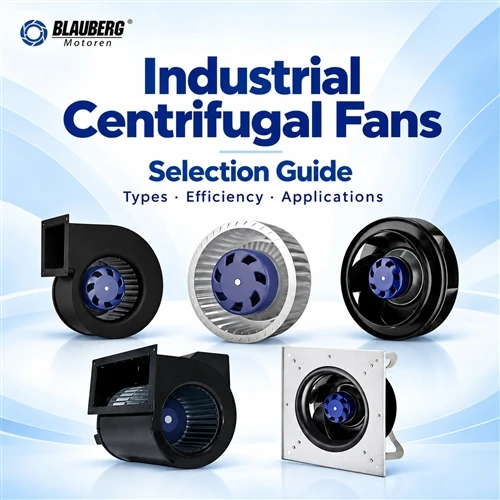
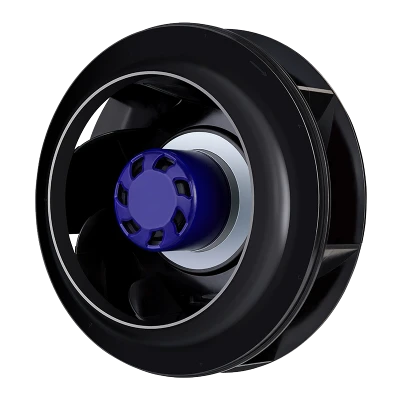
A plug fan is a type of centrifugal fan, usually featuring:
Backward curved impeller
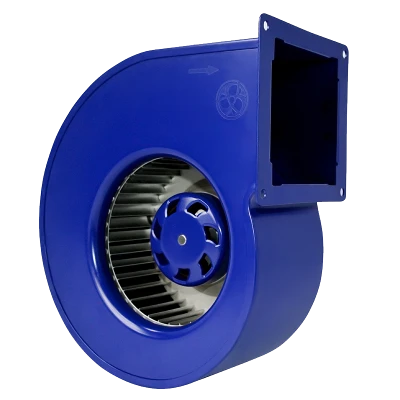
No scroll (volute) housing
Direct-drive motor
Free air discharge into a plenum chamber
Plug fans are widely used in:
- Air Handling Units (AHU)
- Ventilation and Purification systems
- Air Conditioning systems
- Cloud Data Centers
- Cold Storage & Cold Chain
Because they eliminate the scroll casing, plug fans are compact and ideal for modular system integration.
In simple terms:
A plug fan defines the mechanical structure of the fan.
What Is an EC Fan?
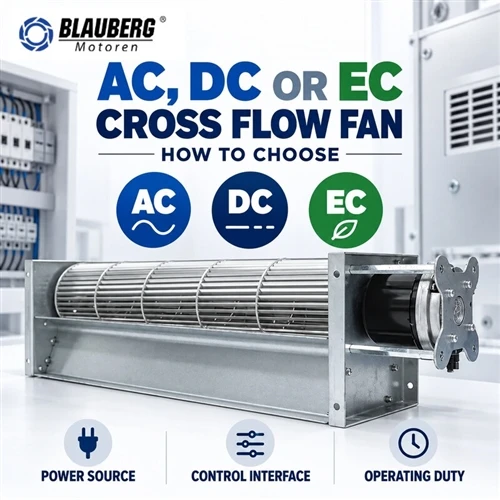
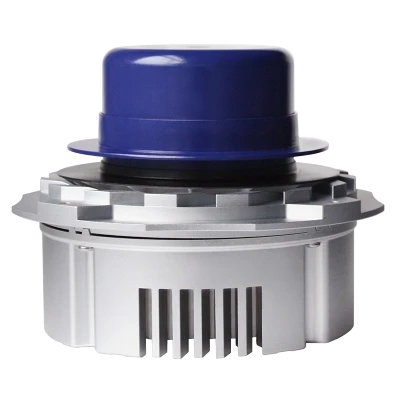
An EC fan refers to a fan equipped with an Electronically Commutated (EC) motor.
EC motors combine AC power supply with DC motor efficiency and electronic control. Compared with traditional AC motors, EC motors provide:
- Higher efficiency
- Lower energy consumption
- Variable speed control
- Intelligent communication capability
- Longer service life
An EC fan can be:
- An EC backward centrifugal fan
- An EC forward centrifugal fan
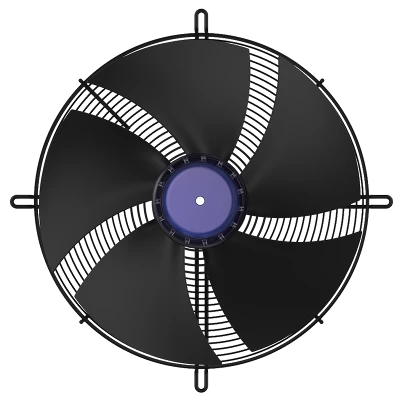
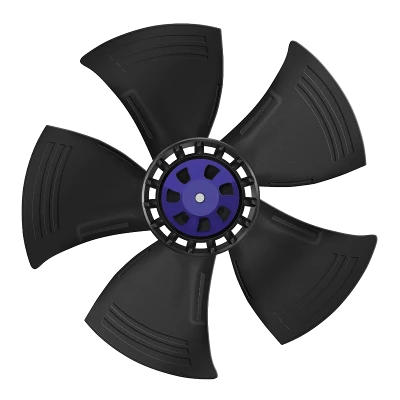
- An EC axial fan
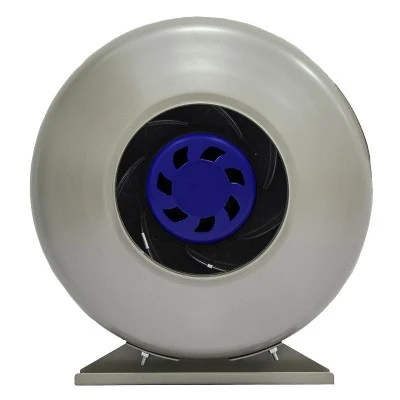
- An EC duct fan
- An EC backward centrifugal plug fan
So:
EC refers to the motor technology, not the fan structure.
The Core Difference: Structure vs Motor Technology
| Aspect | Plug Fan | EC Fan |
|---|---|---|
| Refers To | Fan structure | Motor type |
| Defines | Mechanical configuration | Electrical drive system |
| Can Include EC Motor? | Yes | Not necessarily plug |
| Can Be AC/DC? | Yes | EC only |
| Application | HVAC / AHU / Plenum systems | Any fan type requiring efficiency |
A plug fan can be:
- AC plug fan
- DC plug fan
- EC plug fan
An EC fan can be:
- EC centrifugal fan
- EC axial fan
- EC plug fan
They are not opposites - they often work together.
Why EC Plug Fans Are Popular in Modern HVAC
The most advanced solution in today's market is the EC backward centrifugal plug fan.
This configuration combines:
- High-efficiency backward curved impeller
- Scroll-free compact plug structure
- Intelligent EC motor control
Advantages Include:
Energy Efficiency
EC motors significantly reduce energy consumption - critical for:
- Cloud Data Centers
- Energy-saving & Intelligent Retrofitting
- IT and Electronics Industry
- Large HVAC systems
In high-load systems, energy savings can be substantial over time.
Intelligent Control
EC fans allow:
- Speed modulation
- Remote monitoring
- BMS integration
- Soft start and overload protection
This makes them ideal for smart buildings and precision cooling environments.
Lower Noise Performance
Backward curved EC plug fans generate lower noise due to:
- Optimized aerodynamic blade design
- Direct-drive system
- Electronic speed adjustment
- In our Noise Lab (16dBA background noise), performance is validated to meet requirements of:
- Medical Industry
- Clean room environments
- Electronic manufacturing
Reduced Maintenance
Compared with belt-driven AC systems:
- No belt replacement
- Fewer mechanical losses
- Longer motor lifespan
- This reduces lifecycle cost.

When Should You Choose a Plug Fan?
Choose a plug fan structure when:
- You are designing an AHU system
- Space optimization is required
- Plenum installation is used
- Modular fan arrays are planned
- Typical industries include:
- Air Conditioning
- Ventilation & Purification
- Mechanical Equipment
- Automobile HVAC systems
When Should You Choose an EC Fan?
Choose EC motor technology when:
- Energy efficiency is critical
- Variable airflow control is needed
- Long-term operating cost reduction is important
- Smart building integration is required
EC fans are especially suitable for:
- Data centers
- Medical ventilation systems
- Cold chain logistics
- High-performance HVAC systems
Engineering Validation Matters
Selecting between AC, DC, and EC configurations requires professional testing and R&D support.
At Blauberg-motoren, our R&D department includes:
- Fluid Lab with multiple airflow testing systems
- Noise Lab (16dBA background)
- Electronic Lab for software and motor control validation
- Shaking test equipment
- Salt spray test equipment
- High/Low temperature testing chambers
- Dynamometer testing systems
Our multidisciplinary team of software engineers, mechanical engineers, and customization designers ensures that every EC fan and plug fan solution delivers stable, verified performance.
Final Answer: What Is the Difference Between a Plug Fan and an EC Fan?
A plug fan describes the structural design of the fan.
An EC fan describes the motor technology used to drive the fan.
They are not competing products.
In fact, the most advanced and energy-efficient solution today is often an EC plug fan - combining aerodynamic efficiency with intelligent motor control.
Need Help Selecting the Right Configuration?
Choosing the right solution requires:
- Airflow (CFM / m³/h) calculation
- Static pressure evaluation
- Noise limitation analysis
- Environmental condition assessment
- Motor selection (EC / DC / AC)
We provide:
- Technical consultation
- Customized airflow solutions
- OEM / ODM manufacturing
- Application-specific product matching
If you are designing an HVAC system, upgrading a data center, or developing ventilation equipment, contact our engineering team today for expert support and tailored recommendations.