Axial fans play a crucial role in many industries due to their ability to move large volumes of air efficiently. From HVAC systems to industrial ventilation, these fans are the go-to solution when it comes to providing powerful airflow. However, the versatility of axial fans is matched by the diversity in their design, use cases, and specific applications. In this article, we'll delve deeply into what axial fans are, how they work, the key factors in their design, and why they are preferred in certain applications.
What is an Axial Fan?
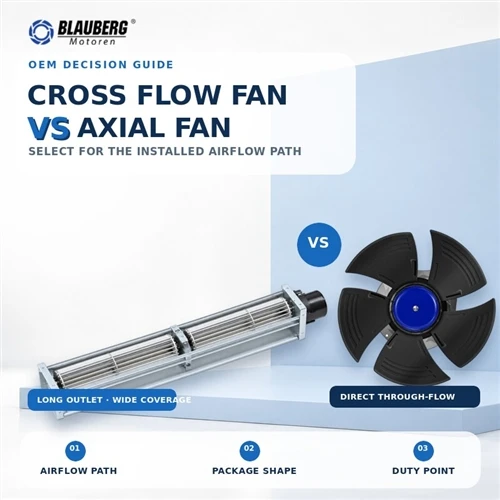
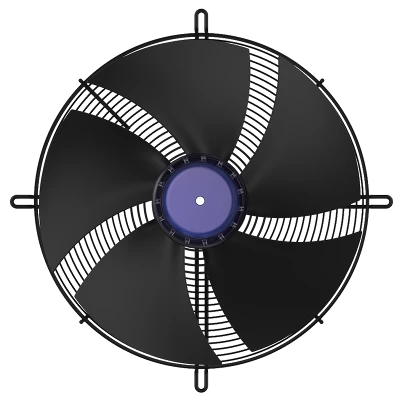
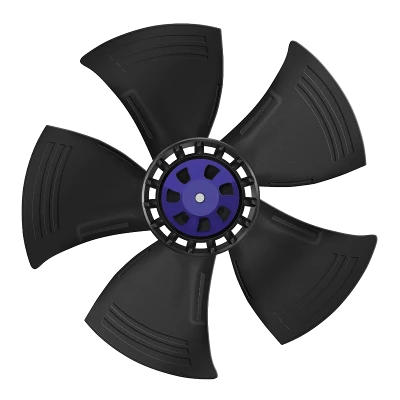
An axial fan is a mechanical device used to move air or gases in a direction parallel to the fan's rotating axis. It consists of a central hub with multiple blades extending outward, much like a propeller, which pulls air through the fan and pushes it forward in a straight line. These fans are named for their airflow direction, which remains consistent along the axis of rotation.
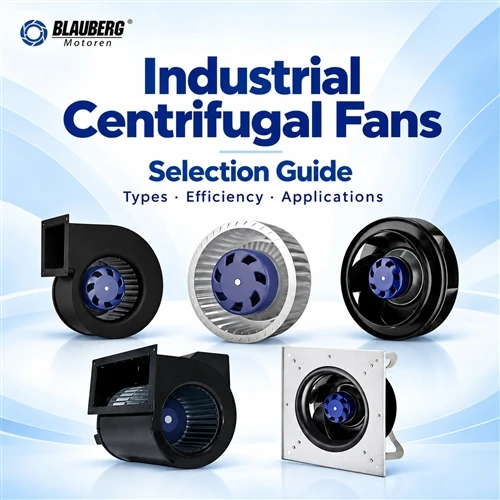
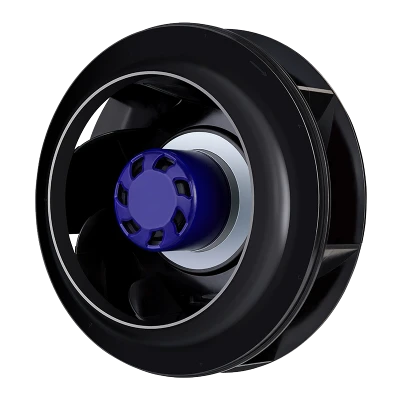
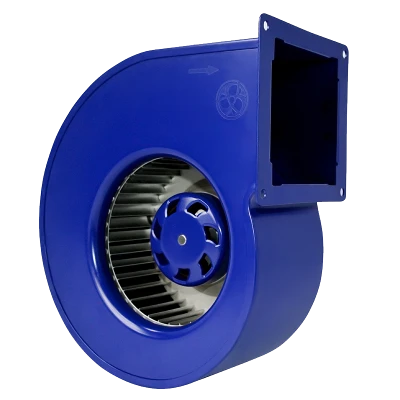
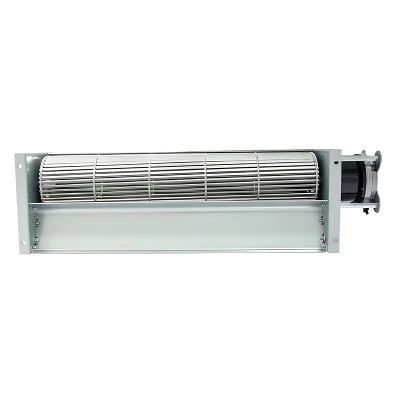
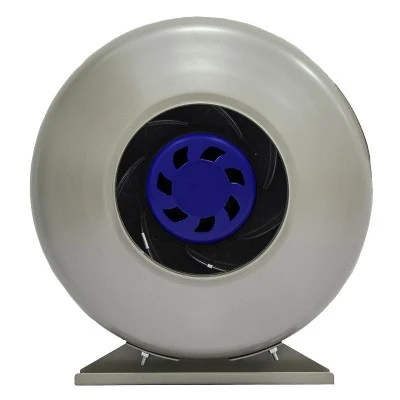
Axial fans are often used in applications that require high volumes of air to be moved over large areas, such as ventilation systems, cooling mechanisms, and exhaust systems. What makes them particularly effective is their ability to move air with minimal resistance, which translates into lower energy consumption when compared to other fan types, such as centrifugal fans(Backward Centrifugal Fans, Forward Centrifugal Fans).

Key Features of Axial Fans
Axial fans stand out from other types of fans due to a number of distinct features, which can be broken down into the following key areas:
Airflow Direction
Unlike centrifugal fans, which move air perpendicularly to the intake, axial fans move air in a direction parallel to the fan's axis. This gives them a much more streamlined and direct airflow path, which makes them efficient at moving large amounts of air with minimal resistance.
High Airflow, Low Pressure
Axial fans are known for their ability to provide high airflow at relatively low pressure. This characteristic makes them ideal for applications that require large volumes of air but do not need significant force or pressure to overcome obstacles (such as in open spaces).
Energy Efficiency
Since axial fans operate with minimal resistance and friction, they require less energy to move air, making them a more energy-efficient option for general air circulation. This is particularly beneficial in applications where fans need to operate continuously, such as in HVAC systems and industrial environments.
Blade Design
The blades of an axial fan are designed to create a pressure difference between the front and back sides, which helps to move air through the system. The angle and shape of the blades can significantly affect the fan's performance, with skewed or curved blades being preferred for reducing noise and improving efficiency.
How Axial Fans Work
Axial fans work by using a rotating central hub that is powered by a motor. The blades attached to the hub rotate and create a pressure differential, drawing air into the fan and pushing it out along the axis. This straight-through airflow is highly efficient for moving large volumes of air quickly.
The speed of the fan, combined with the blade angle and design, determines how much air the fan can move and at what pressure. Faster rotation speeds or steeper blade angles increase the fan's capacity to move air, but they also result in higher noise levels and greater energy consumption.
The operation of an axial fan can be fine-tuned by adjusting the motor speed, blade design, or housing structure to meet specific airflow or pressure requirements.

Types of Axial Fans
There are several different types of axial fans, each designed for specific purposes. The most common types include:
Propeller Fans
These are the simplest type of axial fan, commonly used in low-pressure, high-volume applications. Propeller fans are typically found in situations where air needs to be moved over large open spaces, such as in agricultural ventilation or in large industrial buildings.
Tubeaxial Fans
Tubeaxial fans are housed in a cylindrical tube or duct, which helps to guide the airflow and reduces air leakage. These fans are often used in situations where controlled airflow is needed, such as in HVAC duct systems or exhaust systems in factories.
Vaneaxial Fans
Vaneaxial fans are a more advanced type of axial fan that includes stationary vanes positioned at the outlet. These vanes help to straighten the airflow and improve efficiency, making vaneaxial fans ideal for high-pressure applications where efficient air movement is required over long distances.
Cooling Fans
Axial fans are also commonly used as cooling fans in various electronic devices, such as computers, servers, and machinery. These fans are designed to efficiently move air over components that generate heat to prevent them from overheating. Cooling fans are often smaller in size but need to maintain consistent airflow to ensure effective temperature control.
Common Applications of Axial Fans
Axial fans are incredibly versatile and can be found in a wide range of applications across various industries. Here are some of the most common uses:
HVAC Systems
In heating, ventilation, and air conditioning (HVAC) systems, axial fans are essential for moving air through ducts and into living or working spaces. Their ability to move large amounts of air with minimal energy consumption makes them ideal for maintaining comfortable temperatures in residential and commercial buildings.
Industrial Ventilation
Axial fans are widely used in industrial ventilation systems to provide fresh air, remove exhaust gases, or cool equipment. These fans can operate in harsh environments and can be used to ventilate large areas, such as factories, warehouses, and mining operations.
Cooling Systems for Electronics
In electronic devices and machinery, such as computers, servers, and industrial equipment, axial fans are critical for preventing overheating. These fans help regulate the temperature by moving cool air over components that generate heat, ensuring that they function properly.
Agricultural Ventilation
Axial fans are commonly used in agriculture to ventilate barns, greenhouses, and other large structures where air circulation is vital. Their ability to move air over long distances makes them ideal for controlling humidity, temperature, and air quality in agricultural settings.
Exhaust Systems
Axial fans are often employed in exhaust systems to remove fumes, gases, or smoke from a particular environment. These fans are commonly found in industrial and commercial kitchens, laboratories, and factories where air quality needs to be carefully regulated.

Design Considerations for Axial Fans
When designing an axial fan, there are several important factors to consider to ensure that it meets the specific requirements of its application. These design considerations include:
Blade Design
The design of the fan blades plays a critical role in determining the performance of the axial fan. Factors such as blade length, pitch, and shape will affect how much air the fan can move and at what pressure. For example, blades with a steeper pitch can move more air, but they also increase the fan's energy consumption and noise levels.
Motor Efficiency
The efficiency of the motor that powers the axial fan is a crucial factor in its overall performance. High-efficiency motors, such as those using electronically commutated (EC) technology, can reduce energy consumption while still providing the necessary power to move large volumes of air.
Noise Levels
Axial fans can produce significant noise, especially in high-speed or high-pressure applications. To reduce noise, designers can adjust the blade angle, use noise-dampening materials, or incorporate acoustic enclosures. Properly balancing the fan and using anti-vibration mounts can also help reduce noise levels.
Durability and Material Selection
The materials used to construct the axial fan should be chosen based on the operating environment. For example, fans used in corrosive environments, such as chemical processing plants, should be made from corrosion-resistant materials like stainless steel or coated aluminum. In high-temperature environments, heat-resistant materials should be used to ensure longevity.
Fan Housing
The housing or casing of the fan also affects its efficiency and performance. Fans that are ducted, such as tubeaxial fans, can provide better control over airflow and reduce energy losses compared to open propeller fans. Additionally, housing designed to minimize air leakage can improve overall efficiency.
Advantages and Disadvantages of Axial Fans
Advantages:
High Airflow: Axial fans are capable of moving large volumes of air with minimal resistance, making them ideal for applications where high airflow is needed.
Energy Efficiency: These fans require less energy to move air, particularly in low-pressure systems, making them more cost-effective in terms of energy consumption.
Compact Design: Axial fans have a simple and compact design, which makes them easy to install and maintain in various systems.
Disadvantages:
Low Pressure: While axial fans can move large amounts of air, they are not suited for high-pressure applications where significant resistance needs to be overcome.
Noise: Axial fans can produce significant noise, especially when operating at high speeds. Noise reduction strategies, such as blade design and acoustic enclosures, may be required in noise-sensitive environments.
Conclusion: Why Axial Fans Are Essential in Air Movement Systems
Axial fans are essential components in a variety of industries, from residential HVAC systems to large-scale industrial ventilation. Their ability to move large volumes of air efficiently, combined with their simple design and adaptability, makes them ideal for a wide range of applications. When designing an axial fan, it is important to consider factors such as blade design, motor efficiency, and material selection to ensure optimal performance.
By understanding the strengths and limitations of axial fans, industries can make informed decisions about when and how to use them, ultimately improving air circulation, temperature control, and system efficiency.