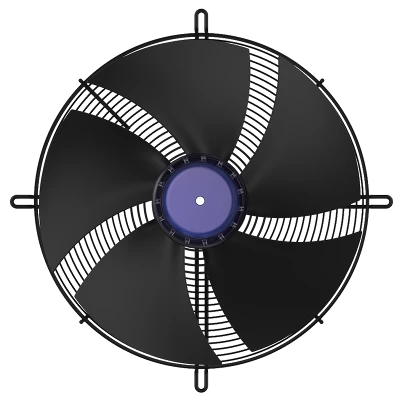
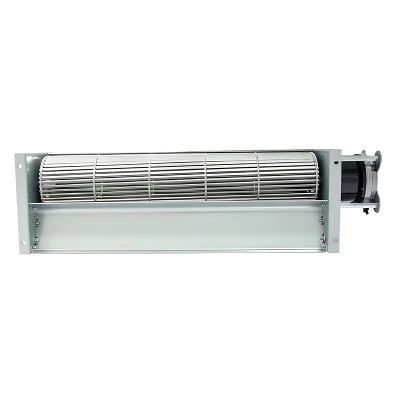
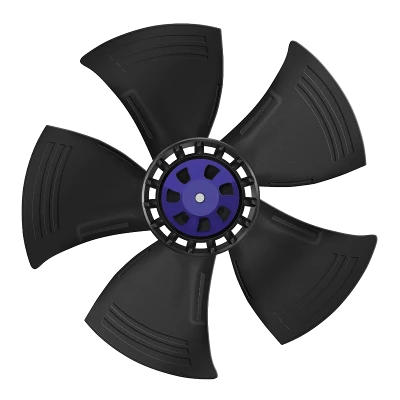
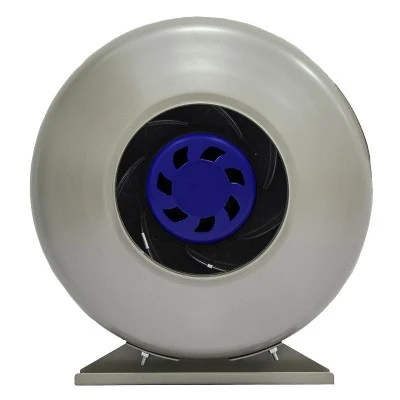
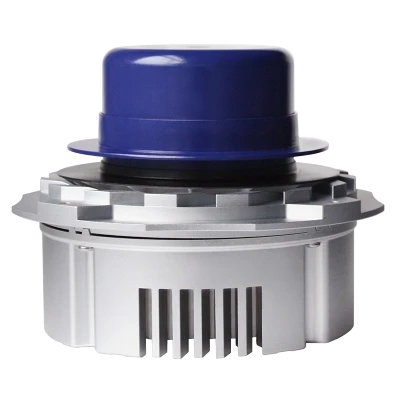
When it comes to industrial ventilation, HVAC systems, or data center cooling, choosing the right type of fan can significantly impact energy efficiency, maintenance costs, and overall system performance. Among the many options available, EC fans and centrifugal fans are two of the most commonly compared technologies.
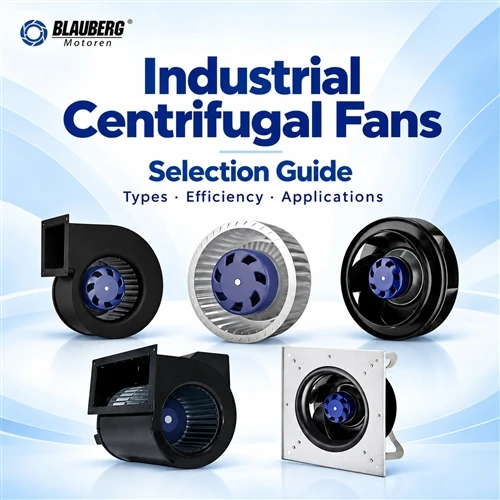
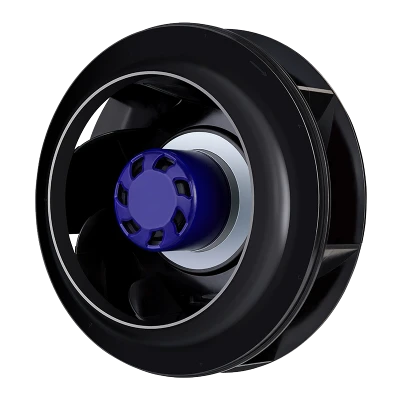
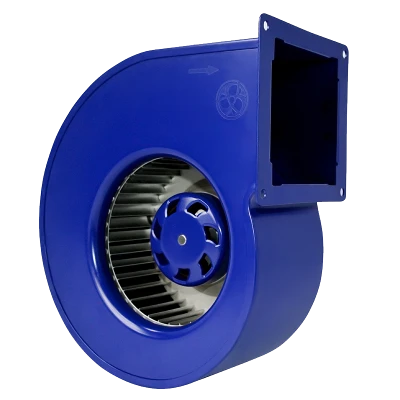
(ec-backward centrifugal fans, ec forward centrifugal fans)
This article breaks down the core differences between these two fan types, helping engineers, facility managers, and procurement professionals make informed decisions for their applications.
What is a Centrifugal Fan?
A centrifugal fan is a mechanical device that moves air using centrifugal force. It consists of a rotating impeller that draws air in axially and forces it out radially at a 90-degree angle.
Key Features:
Uses AC or DC motors
Available in forward-curved, backward-curved, or radial blade configurations
Common in industrial ventilation, exhaust systems, and dust collectors
Known for high-pressure airflow and robust mechanical structure
What is an EC Fan?
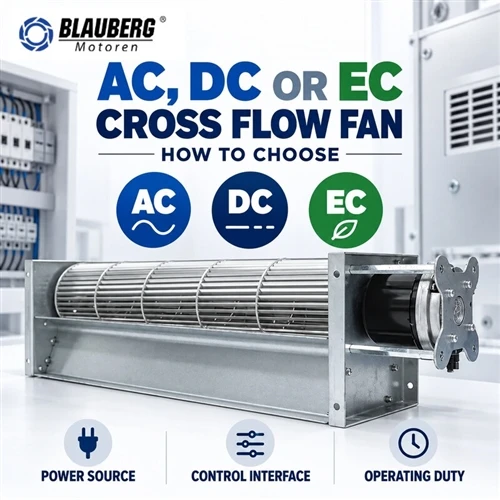
An EC (Electronically Commutated) fan integrates a brushless DC motor with onboard electronics that manage motor commutation and speed control. Essentially, it combines the advantages of AC power with DC motor efficiency and control.
Key Features:
High energy efficiency
Integrated speed control via PWM or 0–10V input
Low noise operation
Compact and maintenance-free design
Ideal for HVAC, data centers, cleanrooms, refrigeration units
Key Differences Between EC Fans and Centrifugal Fans
Motor Technology
Centrifugal Fan: Typically driven by traditional AC induction motors. Speed control requires external equipment like Variable Frequency Drives (VFDs), increasing complexity.
EC Fan: Uses a brushless DC motor with integrated electronics. Offers intelligent, smooth, and precise control with no need for external devices.
Energy Efficiency
Centrifugal Fan: Less efficient at partial loads. Energy loss increases when system demand fluctuates.
EC Fan: Up to 30–50% more efficient, especially at reduced speeds. Actively adjusts to system demand, minimizing unnecessary energy consumption.
Speed Control
Centrifugal Fan: Requires VFDs or dampers to adjust speed and airflow, which may introduce energy waste.
EC Fan: Built-in speed control enables variable airflow without external devices. Compatible with smart building systems.
Noise Level
Centrifugal Fan: Can be noisy, especially at high speeds or when airflow is restricted.
EC Fan: Quiet operation due to lower motor noise and precise control. Excellent for noise-sensitive environments like hospitals or offices.
Maintenance Requirements
Centrifugal Fan: Mechanical components such as belts, pulleys, and brushes wear out and require regular maintenance.
EC Fan: Brushless design and fewer moving parts make it virtually maintenance-free.
Size and Weight
Centrifugal Fan: Typically larger and heavier due to external motor assemblies and control units.
EC Fan: Compact design allows easier integration into tight spaces such as fan coil units, AHUs, and server racks.
Application Comparison
| Application Area | Centrifugal Fan | EC Fan |
|---|---|---|
| Industrial Ventilation | ✅ Excellent for high-pressure systems | ❌ Less preferred due to lower static pressure |
| HVAC Systems | ✅ Common, but less energy-efficient | ✅ Ideal for energy savings and smart control |
| Clean Rooms & Labs | ❌ May generate too much noise | ✅ Silent and precise |
| Data Centers | ❌ Requires extra control infrastructure | ✅ Energy-efficient with remote monitoring |
| Commercial Buildings | ✅ Effective but larger and louder | ✅ Compact and quiet |
Cost Comparison: Upfront vs Lifecycle
While centrifugal fans usually have a lower upfront cost, the total cost of ownership (TCO) often favors EC fans over time. EC fans consume less electricity, require minimal maintenance, and can be controlled more precisely to reduce unnecessary operation-resulting in substantial operational savings.
EC Fan vs Centrifugal Fan: Which One Should You Choose?
Choose a Centrifugal Fan if:
Your application requires very high pressure or large volumes of air
You're operating in rugged industrial environments
Budget constraints favor low initial investment
Choose an EC Fan if:
Energy efficiency is a priority
The system operates for long periods or 24/7
You need integrated, flexible control and reduced noise
You're installing fans in smart HVAC or IT infrastructure

Conclusion
Both EC fans and centrifugal fans serve critical roles in various ventilation and cooling systems. However, their underlying technologies make them suitable for different scenarios.
If you're designing a system for energy efficiency, smart integration, and quiet operation, EC fans are the superior choice. For traditional high-pressure industrial ventilation, centrifugal fans still provide reliable and robust performance.
By understanding these differences, businesses can select the best fan for their needs-balancing performance, cost, and long-term value.
Looking for reliable EC or centrifugal fan solutions for your project?
Contact our expert team today for a custom recommendation tailored to your application needs. We provide high-efficiency, low-noise fan solutions backed by years of industry expertise.