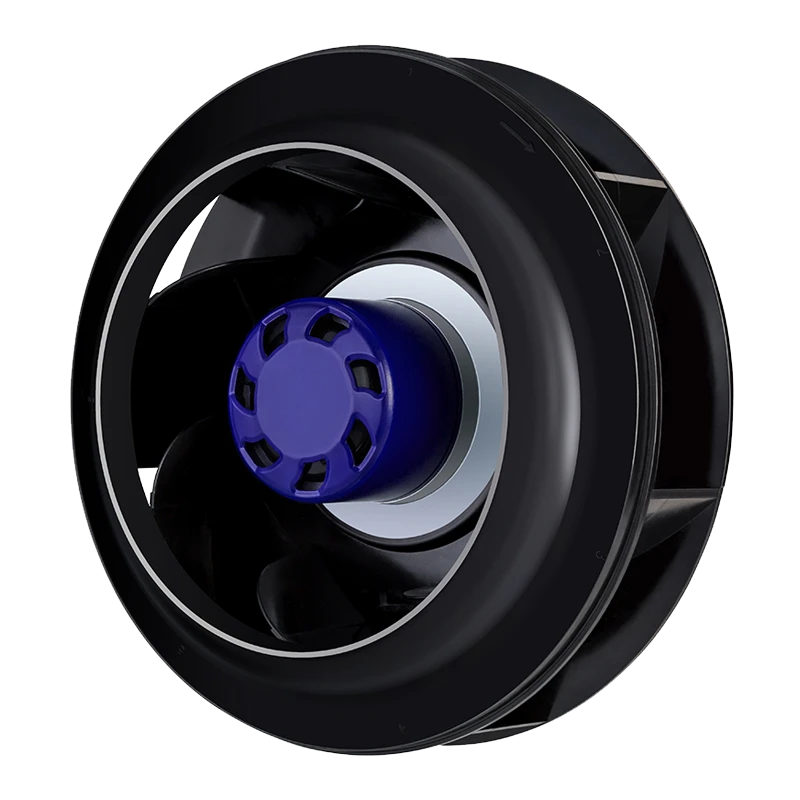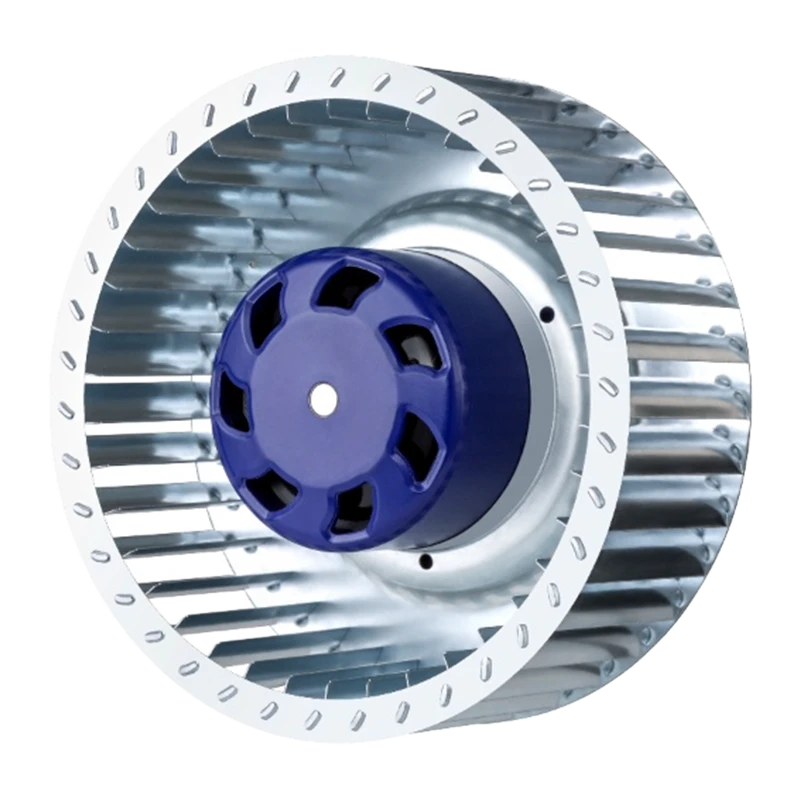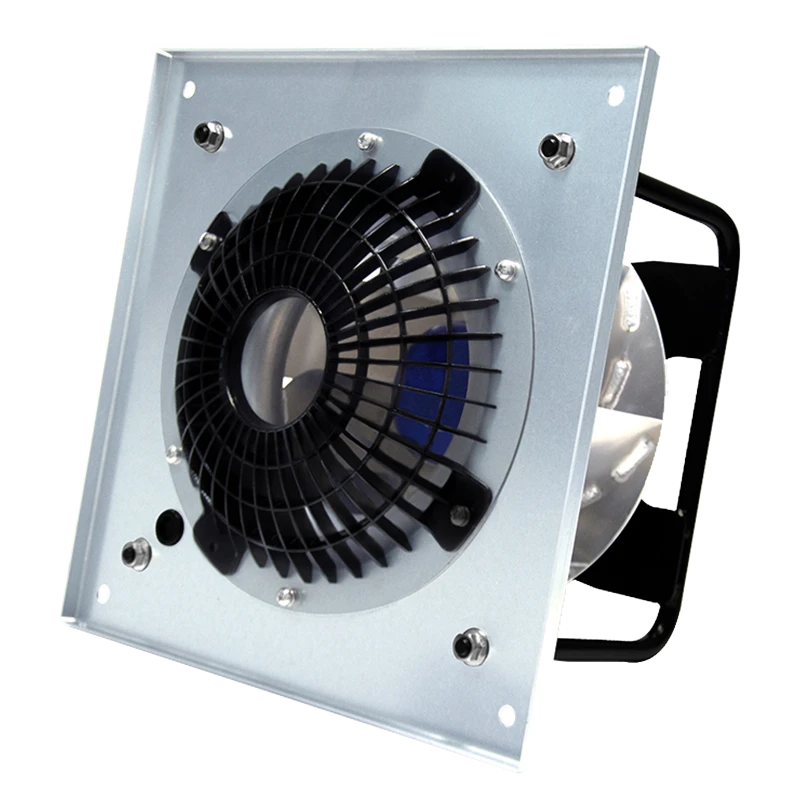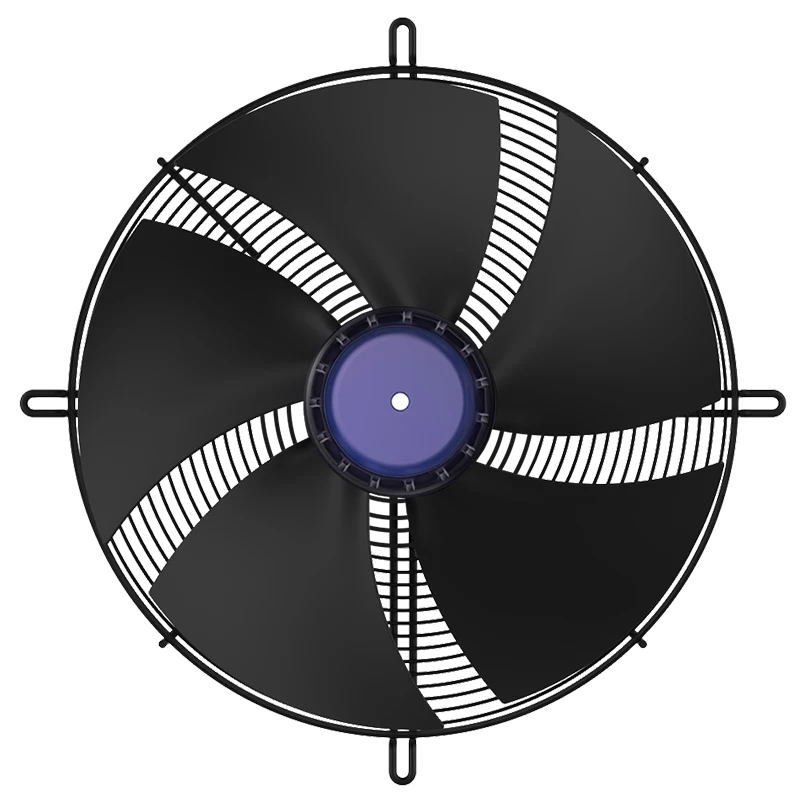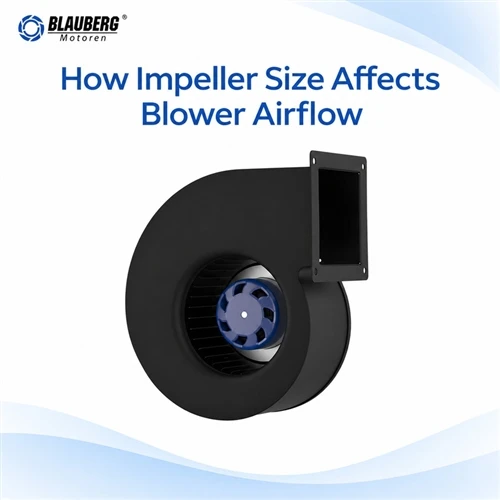
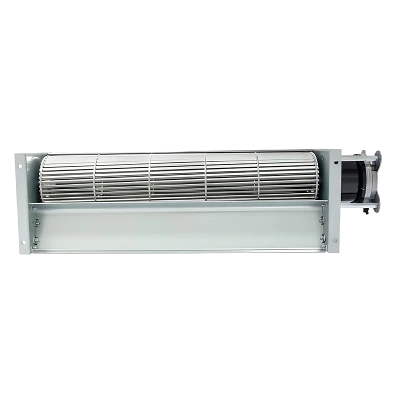
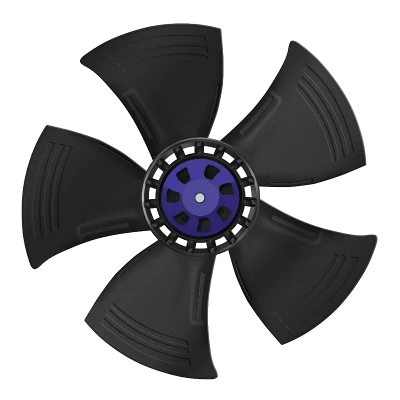
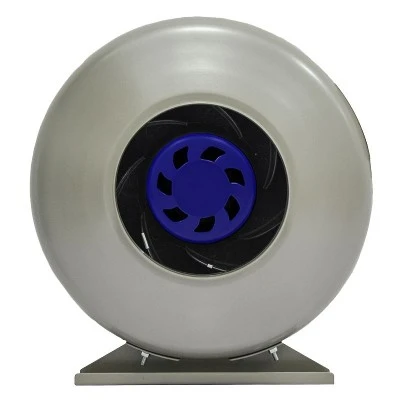
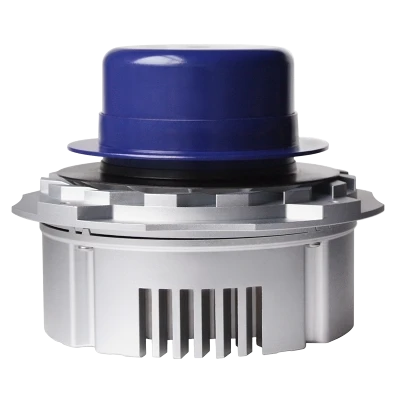

If you've ever stepped into a commercial HVAC unit, industrial drying system, or even a high-powered laptop cooling setup, chances are you've encountered a DC centrifugal blower fan. These devices move air efficiently by using a centrifugal force to push air outward from the fan's center, and they're critical for applications where precise air flow, energy efficiency, and consistent performance matter most. As a DC centrifugal blower fan supplier, I get asked this question all the time: what's the real difference between a constant-speed and variable-speed DC centrifugal blower? It's not just a matter of adjusting a dial-there are engineering tradeoffs, use case-specific benefits, and even long-term cost implications that set these two types apart. Let's break it down, because choosing the right one can make or break your system's performance.
First, let's start with the basics. A DC centrifugal blower fan runs on direct current power, which makes it more energy-efficient than AC-powered alternatives, especially for applications that require low-to-medium airflow. Constant-speed models, as the name suggests, operate at a single, fixed RPM (rotations per minute) from the moment you turn them on until you turn them off. They're designed for scenarios where airflow needs are static-like a small ventilation system in a closet, or a simple air circulator for a single machine that never changes its workload. Variable-speed DC centrifugal blowers, on the other hand, can adjust their RPM across a range, letting you tweak airflow to match changing demands. That adjustability is the biggest selling point, but it comes with hardware and cost differences that are worth understanding.
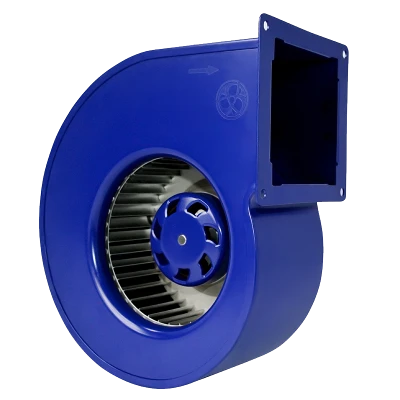
Let's dive deeper into the technical side. Constant-speed DC centrifugal blowers use a simple motor design-usually a brush DC motor, which is cheap to manufacture and straightforward to control. Their speed is set by the voltage supplied; since it's fixed, the motor runs at one RPM, so the fan moves a consistent volume of air (measured in CFM, or cubic feet per minute) and maintains a constant static pressure (the force that pushes air through ducts or filters). There's no need for complex control electronics here, which means constant-speed models are often smaller, lighter, and less expensive upfront than their variable-speed counterparts. For example, our constant-speed 12v 85W centrifugal blower, which you can check out at 12v 85W 5060hz Centrifugal Fan Motor Out Centrifugal Fan, is built for applications where airflow never wavers-like a compact cooling system for a server rack that runs 24/7 with identical heat output. It's reliable, requires minimal maintenance, and since it never changes speed, there's no risk of control electronics failing prematurely.

Variable-speed DC centrifugal blowers, by contrast, use a brushless DC (BLDC) motor with integrated electronics that let you adjust RPM on the fly. The most common control methods are 0-10V signals, PWM (pulse-width modulation), or even digital controls tied to a system's sensor data-like a thermostat that detects rising temperature and tells the fan to speed up. This adjustability is a game-changer for applications where demand fluctuates. Take, for instance, a commercial HVAC system for a retail store: during business hours, the space is crowded, generating more heat and humidity, so the blower needs to move a lot of air. At night, when the store is empty, the heat load drops, so the blower can slow down to save energy. Variable-speed models also handle static pressure changes better-if a filter gets dirty over time, the fan can speed up slightly to maintain consistent airflow, instead of straining at a fixed speed and wasting energy. Our 115v Motor Out Centrifugal Fan Motor 0-10v Motor Blower is a perfect example: it's designed for small commercial HVAC zones, where temperature and humidity levels shift throughout the day, and the 0-10V control lets users adjust airflow smoothly to match those changes.
Now, let's talk about energy efficiency, which is one of the biggest factors driving the choice between these two types. Constant-speed blowers operate at maximum RPM whenever they're on, even if only a fraction of that speed is needed for the actual workload. That means they use more energy than necessary for part of their runtime. Variable-speed blowers, though, can operate at lower RPM when demand is low, which reduces energy use significantly. Studies from the Department of Energy (DOE) show that variable-speed fans can cut HVAC energy costs by up to 30% in commercial applications, and even more in residential or industrial setups where load varies. For example, a constant-speed blower running 12 hours a day at full speed might use 1,500 kWh a month, while a variable-speed model for the same application could use 1,050 kWh-saving hundreds of dollars annually on utility bills. That adds up fast, especially for large-scale operations with multiple fans running around the clock.
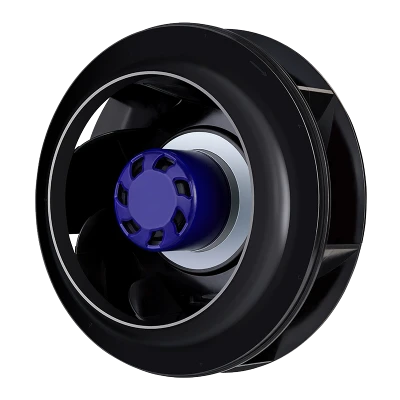
But it's not all about energy. There are practical differences in installation, maintenance, and noise levels. Constant-speed blowers are simpler to install because they don't require any extra control wiring or sensors. You just plug them in and they work. Variable-speed blowers, though, need to be integrated into a control system-whether that's a basic 0-10V controller or a more advanced building management system. That adds a little upfront work, but it pays off in long-term flexibility. When it comes to noise, variable-speed blowers often run quieter at low RPM, because they're spinning slower than the maximum. A constant-speed blower that's sized for a large space might run at full speed even when it's moving more air than needed, creating extra noise. Our 230v Centrifugal Fans with External Rotor Motor 0-10v is designed with noise reduction in mind, so even when it's operating at lower RPM for long periods, it's quieter than a comparable constant-speed model.
Which EC centrifugal blower models should you review?

Blauberg DD-F133B-EC-N07 133mm DC Dual Inlet Centrifugal Blower
DD-F133B-EC-N07 133mm DC Dual Inlet Centrifugal Blower

Blauberg DD-F146B-EC-N07 146mm DC Dual Inlet Centrifugal Blower
DD-F146B-EC-N07 146mm DC Dual Inlet Centrifugal Blower

Blauberg DN-F120B-EC-00 120mm DC Dual Inlet Centrifugal Blower
DN-F120B-EC-00 120mm DC Dual Inlet Centrifugal Blower

Blauberg SN-F180A-EC-01 180mm DC Single Inlet Centrifugal Blower
SN-F180A-EC-01 180mm DC Single Inlet Centrifugal Blower

Blauberg SE-F180A-EC-01 180mm DC Single Inlet Centrifugal Blower
SE-F180A-EC-01 180mm DC Single Inlet Centrifugal Blower

Blauberg SD-F180A-EC-N07 180mm DC Single Inlet Centrifugal Blower
SD-F180A-EC-N07 180mm DC Single Inlet Centrifugal Blower

Blauberg SD-F180A-EC-01 180mm DC Single Inlet Centrifugal Blower
SD-F180A-EC-01 180mm DC Single Inlet Centrifugal Blower

Blauberg SN-F160C-EC-01 160mm DC Single Inlet Centrifugal Blower
SN-F160C-EC-01 160mm DC Single Inlet Centrifugal Blower
Explore the Blauberg centrifugal blower range. Confirm airflow at the required pressure, electrical supply and control compatibility for your project; inclusion here does not establish suitability for a specific medical installation.
Now, when should you choose which one? Let's map out use cases. Constant-speed DC centrifugal blowers are ideal for applications with static, predictable airflow demands. That includes small ventilation systems in storage closets, simple cooling for single industrial machines that run at a constant load, or portable air circulators. They're also the way to go if upfront cost is your top priority, or if you don't have the space or budget for a control system. For example, a small warehouse with a single machine that never changes its heat output would work perfectly with a constant-speed blower like our 230v 170W Big Motor Ec Centrifugal Fan Motors Electrical-it's reliable, affordable, and does the job without any frills.
Variable-speed blowers shine in applications with fluctuating demands. Commercial HVAC systems, retail spaces, industrial drying ovens, server farms, and electric vehicle battery cooling systems all fall into this category. These setups need to adjust airflow based on real-time conditions, and variable-speed models deliver that precision. Even in residential HVAC, variable-speed blowers improve comfort because they can maintain consistent temperatures instead of cycling on and off like constant-speed models. If you're running a large operation with multiple fans, the energy savings from variable-speed models will almost always offset the higher upfront cost within a few years.
I've seen this play out firsthand with customers. Last year, a small manufacturing company I work with was using constant-speed blowers to cool their assembly line, which ran two shifts a day. But as they added more machinery, the heat load increased, and the constant-speed blowers were straining to keep up, leading to higher energy bills and occasional overheating issues. We switched them to variable-speed blowers that adjust RPM based on real-time temperature sensors, and they saw a 28% drop in energy costs and zero overheating incidents in the first six months. That's the power of choosing the right type for your needs.
Of course, there are common misconceptions to clear up. Some people think variable-speed blowers are always better, but that's not true. If your application truly doesn't need to adjust airflow, the extra cost of variable-speed controls is wasted. Conversely, some operators stick with constant-speed models because they think variable-speed is too complex, but modern variable-speed systems are much easier to integrate than they used to be. Our 230v Centrifugal Fans with External Rotor Motor Big Motor Ec Centrifugal Fan, for instance, comes with a simple 0-10V interface that works with most standard thermostats and controllers, so installation is straightforward even for small businesses.
Another point to consider is lifespan. Constant-speed blowers, because they run at a fixed speed, can have longer lifespans in some cases-there's less stress on the motor electronics, and no cycling up and down that causes wear. But variable-speed blowers also have improved motor designs (brushless DC motors, instead of the brush DC motors in many constant-speed models) that reduce wear and tear. In fact, high-quality variable-speed blowers often last just as long as constant-speed models, because the BLDC motor has no brushes to wear out, even with frequent speed changes. It's a tradeoff, not a clear winner.

At the end of the day, the difference between constant-speed and variable-speed DC centrifugal blowers boils down to one thing: flexibility. Constant-speed models are simple, low-cost, and reliable for static needs. Variable-speed models offer precision, energy savings, and adaptability for changing demands. As a DC centrifugal blower fan supplier, I'm here to help you figure out which one is right for your application-whether you need a small constant-speed blower for a compact cooling setup, or a variable-speed model for a commercial HVAC system.
If you're unsure which type fits your project, or if you want to learn more about our range of DC centrifugal blowers, reach out to discuss your specific requirements. We can walk through your load demands, space constraints, and budget to help you pick the perfect solution. Don't guess-let's find the right blower for your system.
References
- U.S. Department of Energy. (2022). Energy Efficiency in Commercial HVAC Systems: The Role of Variable-Speed Fans. Washington, D.C.: U.S. DOE Office of Energy Efficiency and Renewable Energy.
- Centrifugal Fan Engineering Handbook (4th ed.). (2021). Air Movement and Control Association International (AMCA). Arlington Heights, IL.
- Brushless DC Motor Technology for HVAC Applications. (2020). IEEE Transactions on Industrial Electronics, Vol. 67, No. 8, pp. 6542-6551.
- Small Business Energy Savings Guide: HVAC and Ventilation. (2023). Small Business Administration, Office of Energy Programs. Washington, D.C.
Category of Blauberg Products
Built on German engineering principles, focusing on precision, reliability, and long-term performance. Through efficient and scalable manufacturing, we deliver high-quality ventilation solutions with optimized cost structure, ensuring strong value for global OEM and project-based customers.