Centrifugal fans play a crucial role in industrial ventilation, air conditioning systems, and various devices requiring air circulation. A common question that arises in these fields is: Can centrifugal fans run in reverse? While it may seem like a simple question, the answer involves an understanding of the fan's working principle, design, and specific application scenarios.
In this article, we will explore the possibility of centrifugal fans running in reverse, the impact on airflow and efficiency, and discuss special design features that allow for reverse operation. Additionally, we will highlight how these concepts relate to Blauberg-motoren's high-performance centrifugal fans, which are designed to provide optimal solutions for various industrial needs.
How Does a Centrifugal Fan Work?
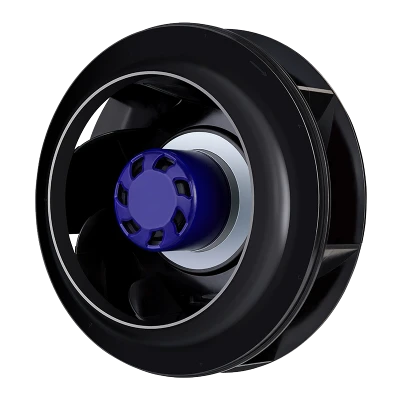
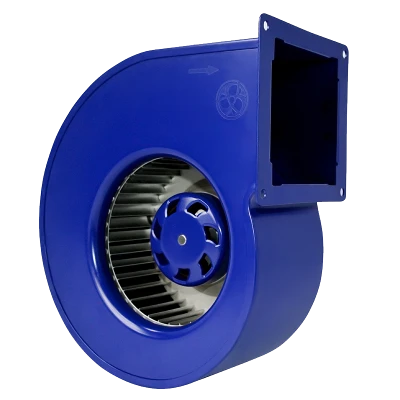
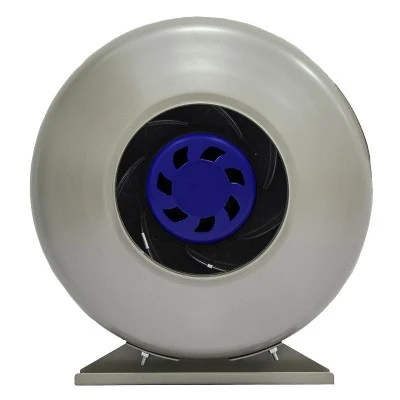
A centrifugal fan consists of key components such as the impeller, housing, and motor. When the motor drives the impeller to rotate, it creates centrifugal force, which pushes air outward. The air enters the impeller center and is expelled through the fan housing at the edges. This airflow is essential for moving air through ducts or ventilation systems, and the direction of the impeller's rotation plays a vital role in determining airflow efficiency.

Can Centrifugal Fans Operate in Reverse?
Theoretically, centrifugal fans can run in reverse if the motor allows for reverse rotation. However, this doesn't mean that reversing the motor will make the fan perform equally well in all scenarios. Centrifugal fans are designed based on specific aerodynamic principles, with the shape of the impeller, the angle of the blades, and the internal structure of the housing optimized for forward rotation.
The Impact of Reverse Operation
Airflow and Pressure Changes
When a centrifugal fan runs in reverse, the airflow path is altered. Instead of air entering from the center of the impeller and being expelled at the edges, the airflow will reverse direction, entering from the edges and exiting through the center. This change in direction results in significant reductions in both airflow and pressure. Typically, in reverse operation, the airflow will decrease drastically, and the pressure will drop, making the fan less effective.
For example, in a typical industrial centrifugal ventilation system, forward rotation generates enough pressure to overcome duct resistance and move large volumes of air. However, when running in reverse, the fan may fail to generate sufficient pressure to push air through the ductwork, meaning that air will only circulate around the fan rather than being transported to distant areas.
Efficiency Drop
Centrifugal fans are designed to operate efficiently in forward rotation. In reverse mode, the interaction between the airflow, impeller, and housing becomes inefficient, leading to a significant reduction in performance. In terms of energy consumption, this inefficiency results in more energy being used to achieve less air circulation or ventilation.
For environments where precise ventilation control is essential, such as data centers, cleanrooms, or industrial settings, reverse operation may not provide the necessary performance to meet air quality, temperature, and humidity standards.
Specially Designed Reverse-Operation Centrifugal Fans
In some specialized applications, centrifugal fans are designed to operate in both directions. These fans incorporate features that allow them to function efficiently in reverse.
Dual Inlet/Dual Outlet Design
This design includes two opposite inlets and two corresponding outlets. The shape of the impeller and the blade angle are specially optimized to allow efficient airflow regardless of whether the fan is rotating forward or in reverse. However, this design is complex and costly, typically used in situations where frequent changes in airflow direction are required, such as in specialized HVAC systems or ventilation labs.
Adjustable Blade Angle Technology
Some high-end centrifugal fans feature adjustable blade angles, which can be changed through motor or mechanical adjustments. This allows the fan to optimize airflow in both directions. While this design can mitigate the limitations of reverse operation, it requires more sophisticated control systems and increased costs.

Practical Considerations for Reverse Operation
For customers selecting a centrifugal fan for specific applications, it is important to consider several factors when deciding whether reverse operation is necessary.
Application Requirements
If your ventilation system only requires one-way, stable airflow - such as in typical factory ventilation or residential exhaust systems - there is usually no need to worry about reverse operation. However, in applications where bi-directional airflow is necessary, such as mining rescue equipment or laboratory systems with dual ventilation requirements, selecting a fan capable of reverse operation is crucial. In such cases, a specialized centrifugal fan with reverse capabilities or a custom control system is required.
Cost vs. Benefit Analysis
As mentioned earlier, fans capable of reverse operation, whether through a dual-inlet/outlet design or adjustable blade angle technology, come with increased costs. When considering whether reverse operation is needed, it's important to weigh the potential benefits against the added expense. If reverse operation is needed only occasionally, it may be more cost-effective to use additional unidirectional fans for reverse ventilation, rather than investing in a more expensive centrifugal fan designed for both directions.
Blauberg-motoren's Centrifugal Fans
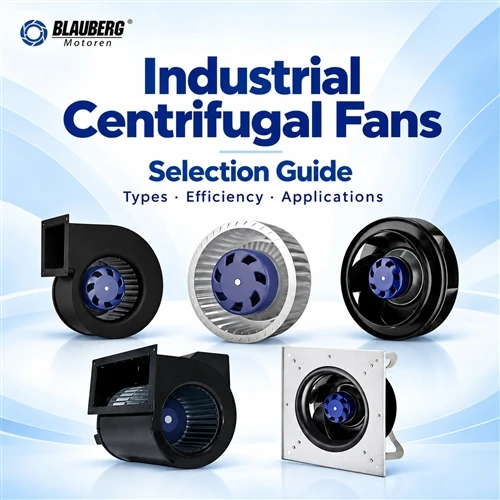
At Blauberg-motoren, we offer a range of high-performance centrifugal fans, including EC, DC, and AC centrifugal fans with advanced features. Our fans are designed to meet the demands of industrial air conditioning, ventilation, and air purification systems. We provide solutions tailored for applications requiring consistent airflow and efficient energy usage.
Some of our notable products include:
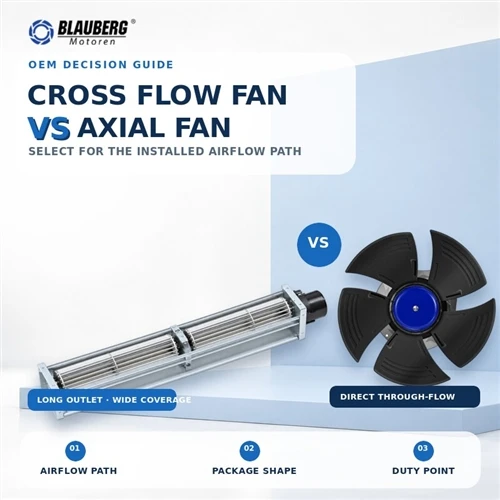
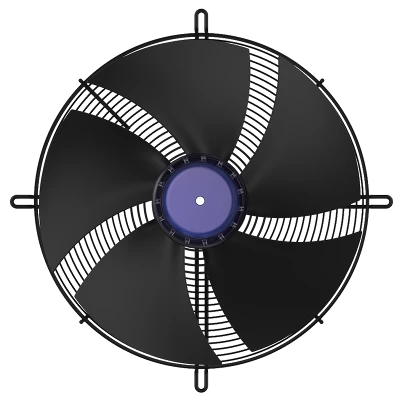
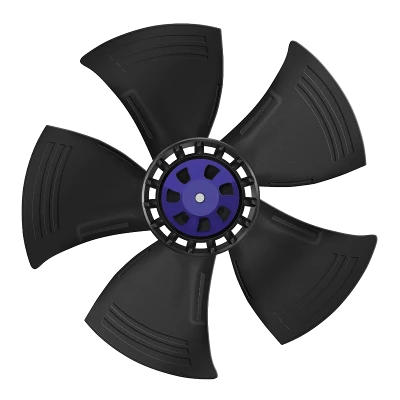
350mm EC Axial Fan and 400mm EC Axial Fans - for efficient air circulation and cooling.
280mm EC Backward Curved Centrifugal Fan - ideal for high-efficiency air handling systems.
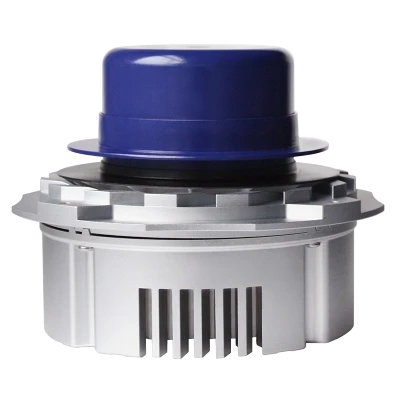
400mm EC Motor Fan Cooler - perfect for high-pressure applications in cooling and HVAC systems.
These fans, with certifications such as UL, CE, ROHS, CCC, and ISO, are engineered for optimal performance, reliability, and energy efficiency, whether in continuous operation or variable-speed environments.
Conclusion
In theory, centrifugal fans can operate in reverse, but practical considerations - such as airflow, pressure, efficiency, and design - limit the effectiveness of reverse operation in most cases. For applications requiring consistent airflow and pressure, choosing a fan designed for forward operation is generally more efficient. However, for specialized systems that demand bidirectional airflow, Blauberg-motoren offers high-quality centrifugal fans with innovative features tailored to your specific needs.
By considering the nature of your application, the costs involved, and the benefits of reverse operation, you can make an informed decision about the best centrifugal fan for your system. If you have further questions or need guidance on selecting the right fan for your application, feel free to reach out to Blauberg-motoren. Our team is ready to assist with expert advice and top-quality products to meet your industrial air movement needs.