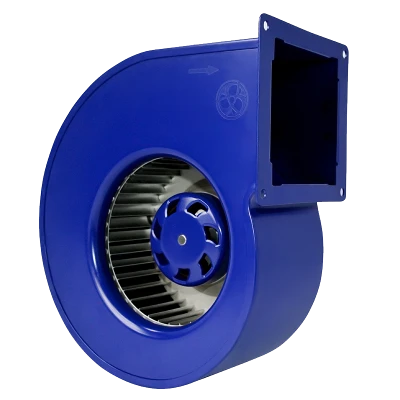
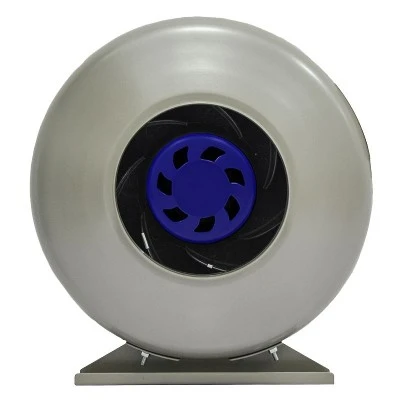
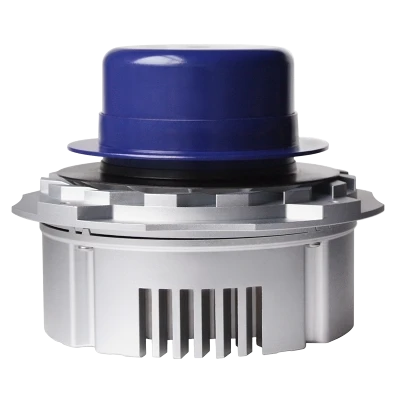

Hey everyone! If you work with industrial ventilation, HVAC systems, or any setup that uses EC centrifugal fans, you know how tricky shutting them down safely can feel. I've been an EC fan supplier for years, and let me tell you-sloppy shutdowns aren't just a minor inconvenience; they can wreck the fan, cause safety hazards, or even mess up your entire system's performance. Today, I'm breaking down exactly how to stop these fans the right way, no fancy jargon, just real-world tips I've picked up from field calls, client mishaps, and testing our own gear every day.
First, let's get on the same page: EC centrifugal fans are different from old AC units, right? They use brushless motors that are super efficient, run smooth, and have built-in smart controls, but that also means you can't just yank the power cord like you might with a box fan at home. I've seen clients do that, and end up with a bent fan blade or a tripped overload that took days to fix. So let's start with the basics that apply to almost all EC fans, no matter their size-whether you're dealing with a small exhaust fan in a bathroom or a big motor pushing air through a warehouse.
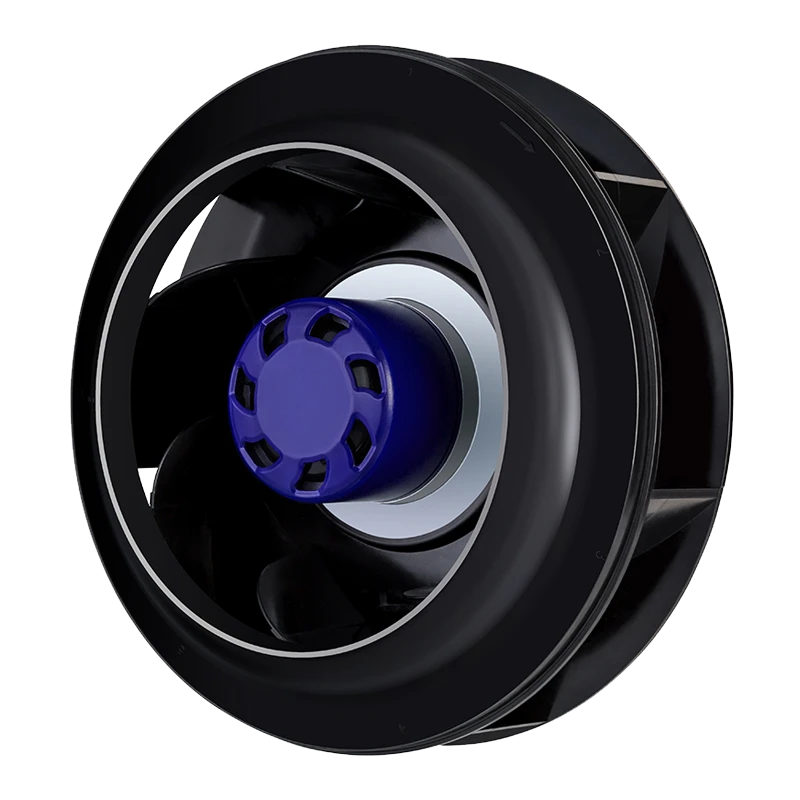
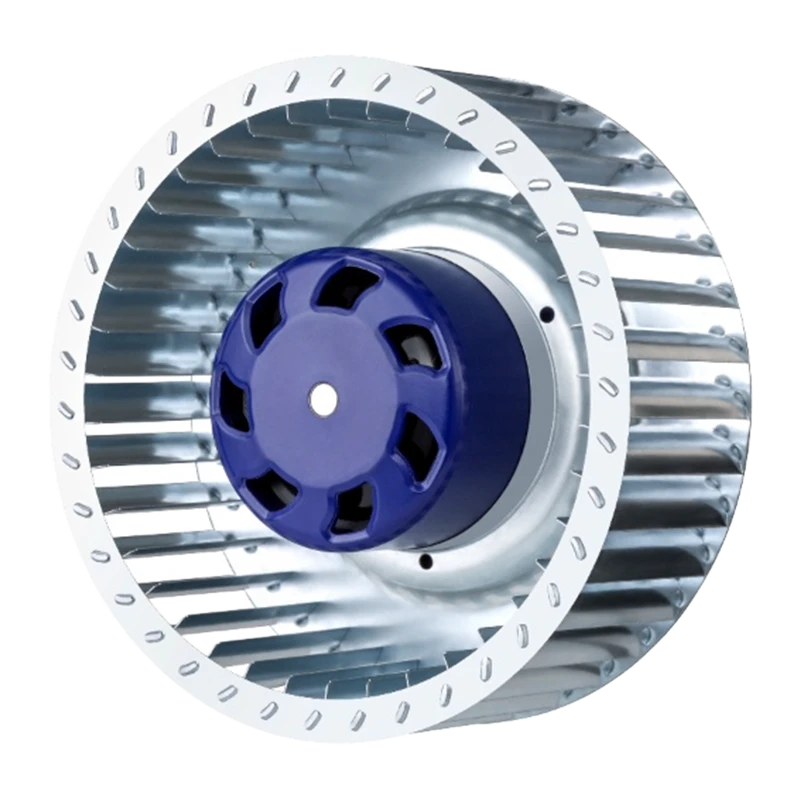
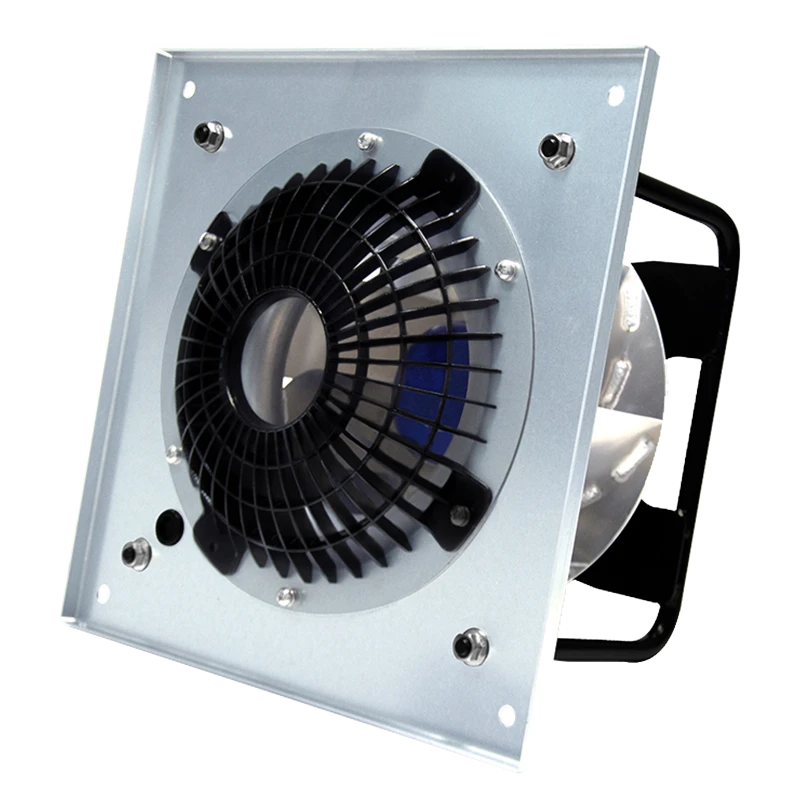
First step: Know your fan's control system before you even think about stopping it. A lot of new EC fans (including our 230v 115W Big Motor Ec Centrifugal Fan and the 48V 85W 5060hz Motor Centrifugal Exhaust Fan Motor Blower Ec Fan) come with built-in controls-0-10V, PWM, or even modbus connections. These controls are your friend, not a hassle. Here's why: if you cut power straight to the fan, the motor's electronics don't get a chance to coast down gently. The fan blades are spinning fast, so sudden power cut makes them slam to a stop, which puts way too much stress on the shaft, bearings, and even the fan housing. That's a quick way to shorten the fan's lifespan by years, not months.

Wait, but what if the control system goes haywire? Like, if there's an emergency and you need to shut the fan RIGHT NOW? That's where the emergency stop (E-stop) comes in, but I always tell clients to use E-stops only for actual emergencies-not regular shutdowns. Let's talk about regular shutdown first because that's what you'll do 99% of the time. For regular stops, start at the control panel: whether it's the wall switch, the building's HVAC interface, or the fan's own smart controller, slowly ramp down the speed to zero. Don't just hit the "off" button immediately if it has a speed setting. Most EC motors are designed to do a soft coast when you ramp down, which lets the blades slow gradually, so no stress on the parts. I test this all the time with our 230v Centrifugal Fans with External Rotor Motor 0-10v line-ramping down over 10 to 15 seconds is the sweet spot for most models. Anything faster than that, and you might get a little vibration, which is the fan telling you it's not happy.
Now, what about pre-shutdown checks? I know, you're in a hurry to finish the job, but taking 30 seconds before stopping the fan can save you from a whole lot of headaches. First, make sure the area around the fan is clear. No debris, no tools, no loose clothing that could get pulled in when the fan slows down-even a small piece of lint can get caught in the blades if they're spinning slow, and jam things up. Second, check if there's any load on the fan. Like, if it's exhausting air from a dusty workshop, there might be dust buildup on the blades. If you shut it down suddenly, that dust could flake off and get into the motor's electronics, which is a no-go. I always advise clients to run the fan at low speed for 2 minutes before shutting it down if it's been handling dusty or dirty air-this blows out any loose debris so it doesn't get stuck in the fan housing or motor. That's a tip I learned after a client's fan died because of dust buildup, and it's stuck with me ever since.
Next, the actual shutdown sequence, step by step, for regular operations (this works for nearly every EC fan we supply, from the compact 48V 85W exhaust fan to the heavy-duty 230v 750W Big Motor Ec Centrifugal Fan Motors):
- Alert anyone nearby. If the fan is in a shared space, let people know you're shutting it down so they don't get confused by the sudden slowdown (and no one walks into the airflow). Super simple, but it avoids awkward conversations or accidents.
- Go to the primary control interface. For most setups, that's the building's HVAC control, or the fan's individual switch. Select "stop" or use the speed ramp function to lower the fan's RPM to 0 gradually. Don't skip this step-even if you're in a rush, a slow ramp is way better for the fan. If your fan doesn't have a ramp function (some older EC models might), set it to the lowest speed for 30 seconds, then hit off.
- Let it coast. Once you hit stop, don't yank the plug or flip a disconnect switch right away. Wait until the fan blades have come to a complete stop on their own. How long does that take? For a small 115W fan, it's 5 to 10 seconds. For a big 750W unit, it might take 20 to 30 seconds. During that time, the motor's electronics are still running a little to dissipate any heat, so cutting power early can overheat the control board. I've seen that happen more times than I can count, and the fix is way more expensive than waiting 30 seconds.
- Once it's fully stopped, you can cut the power. If it's a permanent shutdown, you can flip the disconnect switch or turn off the circuit breaker. If it's just a temporary stop (like overnight or for a maintenance check), you can leave it plugged in, just make sure the control is off.
Now, what about when you need an emergency shutdown? Like, there's a fire, a piece of debris is stuck in the fan, or someone is in danger. That's when you use the E-stop, but here's the catch: most E-stops for EC fans are big red buttons that cut power to the entire unit, not just the control. So if you hit the E-stop, the fan will stop abruptly, which could cause issues, but safety first, obviously. After an emergency shutdown, do NOT just turn the power back on right away. Wait at least 5 minutes for the motor and electronics to cool down, then inspect the fan. Check for bent blades, debris stuck inside, or any smoke from the motor. If everything looks good, you can restart it, but I always recommend a full check before running it again after an emergency stop. For our 230v Centrifugal Fans with External Rotor Motor Big Motor Ec Centrifugal Fan, we actually have a built-in safety check that will flash an error code if something is off after a sudden stop, so pay attention to that light.
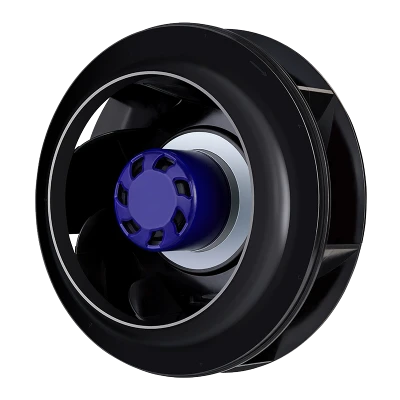
Which centrifugal fan models should you review?

Blauberg BE-B400H-EC-05 400mm DC Backward Centrifugal Fan
View product details and specifications.
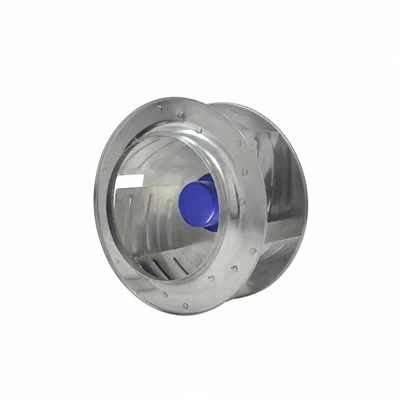
Blauberg BE-B400D-EC-05 400mm DC Backward Centrifugal Fan
View product details and specifications.
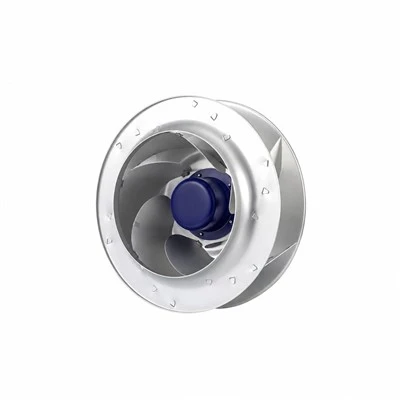
Blauberg BE-B355C-EC-05 355mm DC Backward Centrifugal Fan
View product details and specifications.
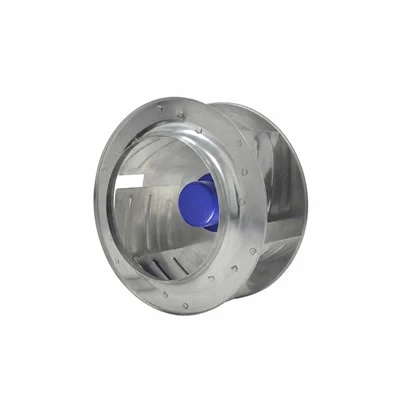
Blauberg BN-B310C-EC-01 310mm DC Backward Centrifugal Fan
View product details and specifications.
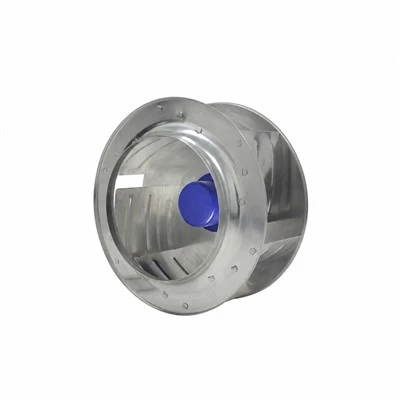
Blauberg BE-B310D-EC-N07 310mm DC Backward Centrifugal Fan
View product details and specifications.
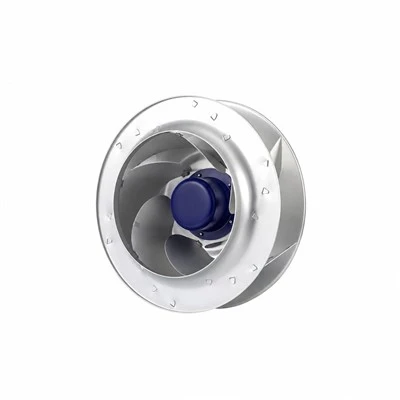
Blauberg BE-B310D-EC-05 310mm DC Backward Centrifugal Fan
View product details and specifications.
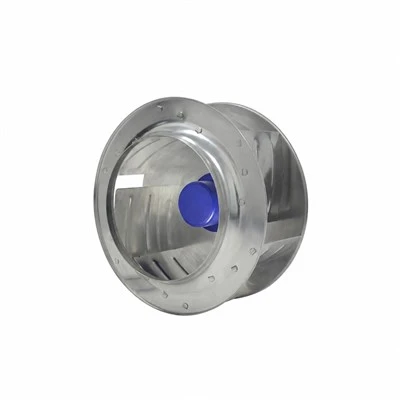
Blauberg BE-B310C-EC-01 310mm DC Backward Centrifugal Fan
View product details and specifications.
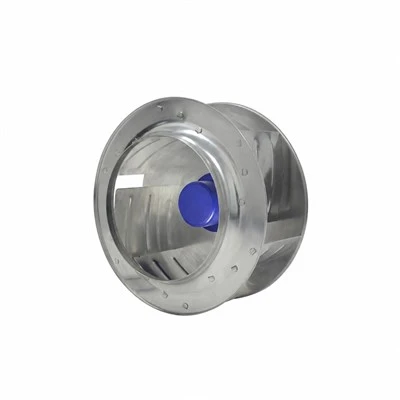
Blauberg BD-B310D-EC-N07 310mm DC Backward Centrifugal Fan
View product details and specifications.
Wait, common mistakes I see all the time, let's list those because they're easy to avoid. First: Using a standard AC disconnect switch on an EC fan. EC motors have sensitive electronics, so the inrush current when you flip a disconnect switch can damage the control board. That's why we always recommend using the fan's own control system for regular stops, not external disconnects. Second: Forgetting to lock out/tag out (LOTO) when working on the fan after shutdown. Even if the fan is stopped, if someone turns the power back on by accident, it can start up unexpectedly. So if you're doing maintenance, always follow LOTO procedures-turn the power off, lock the circuit breaker, and tag it so no one moves it. Third: Ignoring the fan's error codes. A lot of EC fans will show a code if the shutdown was abnormal-like overheat, overload, or vibration. If you see a code, don't just reset it and move on; figure out why it happened. That's how you catch small issues before they become big, expensive repairs.
Let me also talk about different fan types, because not all EC centrifugal fans are the same. If you have a forward-curved blade fan (good for low airflow, high pressure), the shutdown is pretty much the same as what I outlined. If you have a backward-inclined or airfoil blade fan (common in big commercial setups like warehouses or HVAC systems), they're heavier, so they take longer to coast down-wait the full time, don't cut power early. The 230v 750W big motor I mentioned earlier is an airfoil blade, for example, and I always tell clients to wait 30 seconds after hitting stop before cutting power. That's specific to that model, but it's a good rule for big fans in general.
Another thing: Environmental factors. If your fan is outside, in a cold climate, the motor's grease can get thicker, so it might take longer to coast down. In hot, humid areas, moisture can build up in the motor, so waiting the full coast time is even more important to let the electronics dry out a little. I've had clients in Florida tell me that after a hot day, waiting an extra 10 seconds helps prevent moisture-related issues, and that makes total sense.
Now, let's wrap this up with a quick recap so you don't have to scroll back. Safely stopping an EC centrifugal fan boils down to: 1) Use the fan's control system to ramp down speed regularly (avoid sudden power cuts for routine stops), 2) Do a quick pre-shutdown check to clear debris and alert nearby people, 3) Wait for full coast before cutting power, 4) Only use E-stops for emergencies, and always do a post-emergency inspection, 5) Avoid common mistakes like skipping LOTO or using the wrong disconnect.
If you're shopping for EC centrifugal fans and want models designed for safe, easy shutdowns-we've got the 230v 115W, 48V 85W, and the heavy-duty 750W units we talked about, all with built-in smooth control systems and safety features. If you have questions about your current fan, need help troubleshooting a shutdown issue, or want to order a custom setup, reach out-we're here to help, no complicated sales pitch, just real advice for people who work with these fans every day.
References:
- EC Fan Safety Guidelines: Industrial Ventilation Manufacturers Association, 2022
- Centrifugal Fan Shutdown Best Practices: HVAC Equipment Maintenance Journal, Volume 18, Issue 3, 2023
- Brushless EC Motor Safety Protocols: Electrical Apparatus Service Association, 2021
Category of Blauberg Products
Built on German engineering principles, focusing on precision, reliability, and long-term performance. Through efficient and scalable manufacturing, we deliver high-quality ventilation solutions with optimized cost structure, ensuring strong value for global OEM and project-based customers.