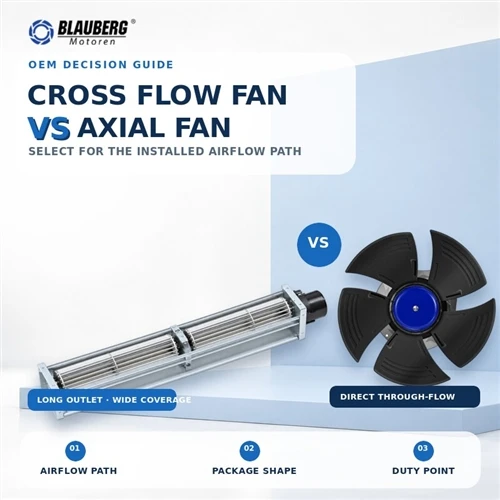
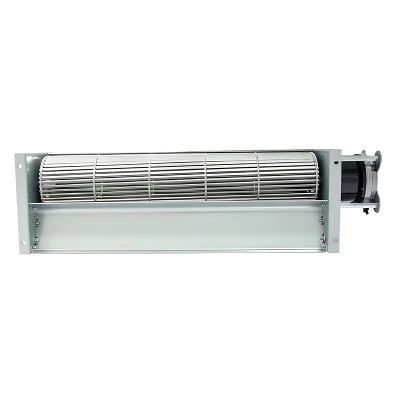
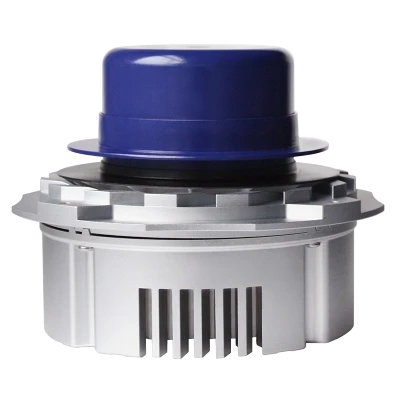
When it comes to air movement solutions, two of the most common types of equipment used are axial fans and blowers. Though both serve the purpose of moving air, they are designed differently and offer distinct advantages depending on the specific needs of an application. Whether you're designing a ventilation system for a commercial building, an industrial process, or an HVAC system, understanding the differences between axial fans and blowers can help you make the best decision for your project.
In this article, we'll compare axial fans and blowers, exploring their design characteristics, performance differences, and common applications.
What is an Axial Fan?
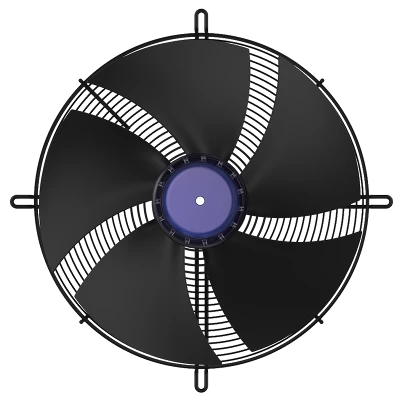
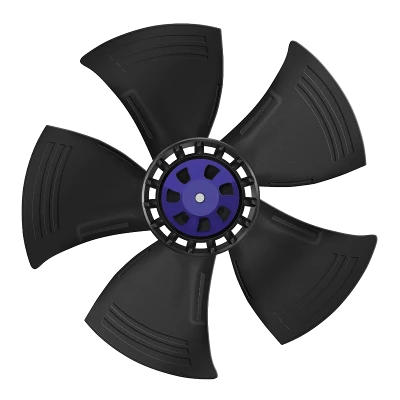
An axial fan is a type of fan where the air flows parallel to the axis of rotation. These fans are often used when the primary need is to move a large volume of air at relatively low pressures.
Key Features of Axial Fans:
Airflow Direction: Air moves in the same direction as the axis of the fan, hence the name "axial."
Design: They typically have blades arranged in a propeller-like fashion, and air is drawn in from one side and expelled from the other.
Performance: Axial fans are designed for high-volume, low-pressure airflow, making them ideal for situations where large amounts of air need to be moved over a short distance.
Advantages of Axial Fans:
Energy Efficiency: Axial fans are energy-efficient in applications requiring high airflow but relatively low pressure.
Compact Design: These fans tend to be more compact than other types of fans, making them easier to fit into tight spaces.
Cost-Effective: They are generally less expensive than centrifugal blowers and are simple in design, which contributes to lower operational costs.
Common Applications of Axial Fans:
HVAC Systems: Used in ventilation systems to circulate air in both residential and commercial buildings.
Cooling Systems: Often used in cooling applications such as computer cooling, air conditioning, and heat exchangers.
Industrial Applications: Suitable for ventilation in factories, warehouses, and tunnels where high volumes of air need to be moved.
Agriculture: Used in large fans for greenhouses and barns to maintain airflow.

What is a Blower?
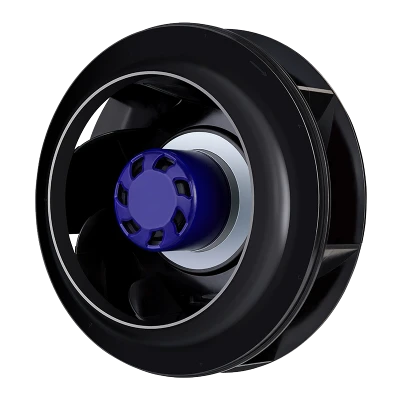
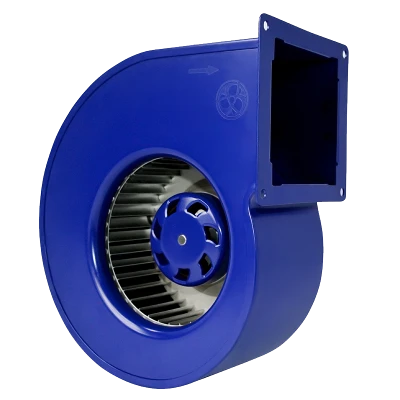
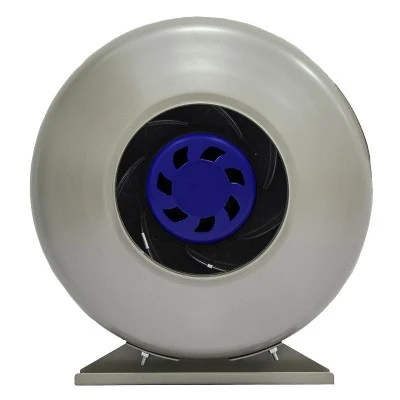
A blower is a device designed to move air or gas at a higher pressure than a fan. Blowers are commonly used when air needs to be directed with more force or when higher pressures are required to achieve the desired air movement.
Key Features of Blowers:
Airflow Direction: Unlike axial fans, the airflow in blowers is directed at a right angle to the axis of rotation.
Design: Blowers usually have a more complex design with various impeller types, including radial, centrifugal, and positive displacement blowers.
Performance: Blowers are designed to move air at higher pressures and generally lower flow rates compared to fans.
Advantages of Blowers:
High Pressure: Blowers can create higher pressure levels, making them ideal for applications that require strong airflow, such as ventilation systems with longer ducts or more resistance.
Versatility: Blowers come in various types (centrifugal, regenerative, etc.), offering flexibility in handling different airflow and pressure requirements.
Enhanced Air Control: Blowers provide better control over the direction and strength of the airflow, which is beneficial for specific industrial and commercial applications.
Common Applications of Blowers:
HVAC Systems: Used for air circulation in larger systems where higher pressure is needed, such as in high-rise buildings or industrial environments.
Industrial Processes: In manufacturing, blowers are often used for dust collection, material handling, and cooling processes.
Dust and Fume Extraction: Essential in removing dust and fumes from industrial workspaces, ensuring cleaner and safer environments.
Wastewater Treatment: Used for aerating tanks and driving air through treatment processes.

Axial Fan vs Blower: Key Differences
| Feature | Axial Fan | Blower |
|---|---|---|
| Airflow Type | High volume, low pressure | Low volume, high pressure |
| Design | Simple, propeller-style blades | More complex design with various impeller types |
| Efficiency | High efficiency in low-pressure applications | More efficient in high-pressure environments |
| Noise Levels | Generally quieter than blowers | Can be noisier due to higher pressure and speed |
| Cost | Generally lower cost | Can be more expensive depending on the type |
| Applications | Large-scale ventilation and cooling systems | Applications requiring high pressure airflow (e.g., dust extraction, fume removal) |

Which Should You Choose: Axial Fan or Blower?
The decision between an axial fan and a blower ultimately depends on the specific requirements of your application. Here's a quick guide to help you choose:
Use an Axial Fan if:
You need to move large volumes of air over short distances.
The application involves relatively low resistance or pressure.
You require a cost-effective and energy-efficient solution for ventilation and cooling.
Use a Blower if:
High air pressure is required to move air through long ducts or systems with resistance.
The application involves dust extraction, fume removal, or industrial processes where strong airflow is essential.
You need precise control over the direction and strength of airflow.
Conclusion
Both axial fans and blowers have their unique advantages and are essential for different types of applications. Axial fans excel in moving large volumes of air with low pressure and are suitable for ventilation and cooling systems. Blowers, on the other hand, are designed for applications where higher pressure and more controlled airflow are necessary.
When choosing between the two, consider factors such as airflow requirements, pressure, energy efficiency, and cost. Understanding these differences will help you select the right solution to meet your specific needs, ensuring optimal performance and efficiency in your systems.