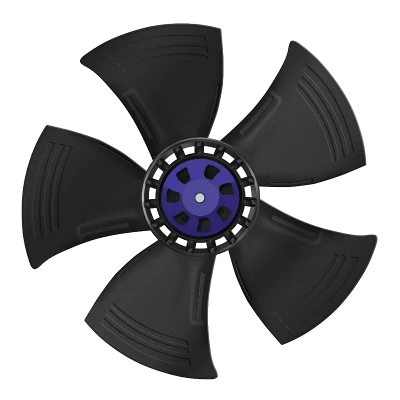
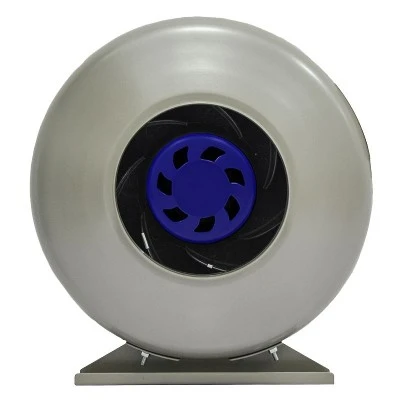
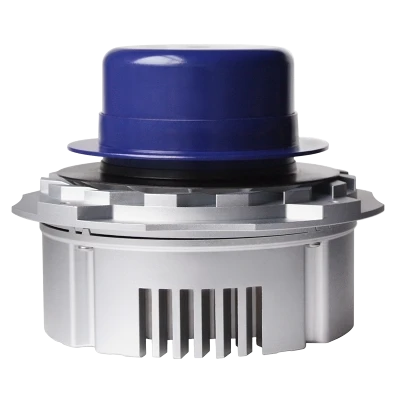

Hey everyone, if you've ever worked with HVAC systems, industrial ventilation, or even tried to keep a server room from overheating, you've probably run into centrifugal blowers. They're those boxy, loud (but essential) fans that move air in a totally different way than your typical axial ceiling fan. Today, I want to break down what's actually happening with air flow inside one of these bad boys-because knowing that stuff makes picking the right blower for your project way less of a headache. Plus, as someone who's been selling centrifugal blowers for years, I've seen how choosing the wrong one (like not understanding its air flow pattern) leads to so many avoidable problems. Let's dive in.

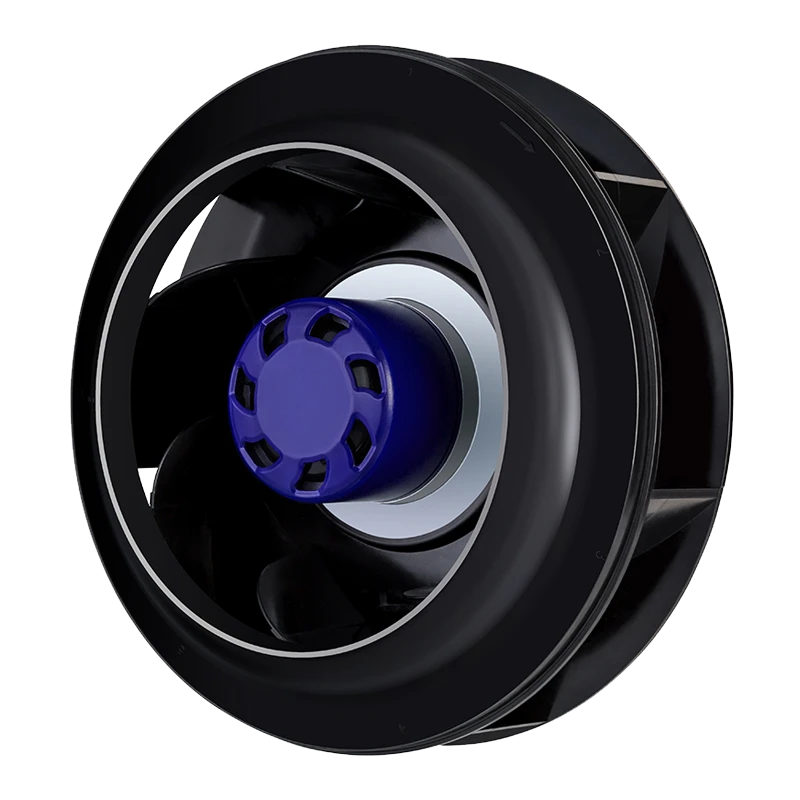
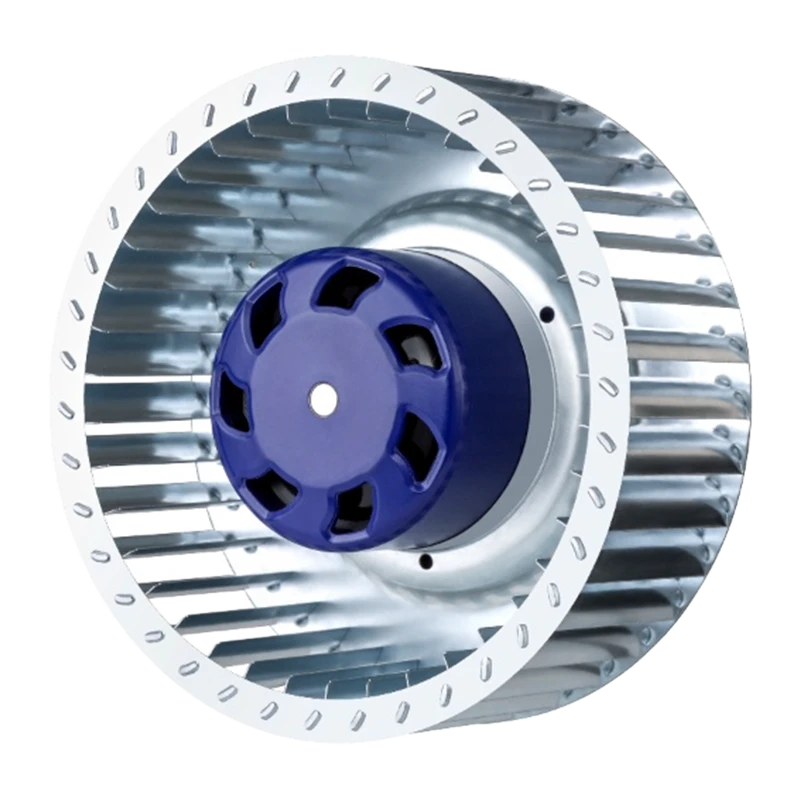
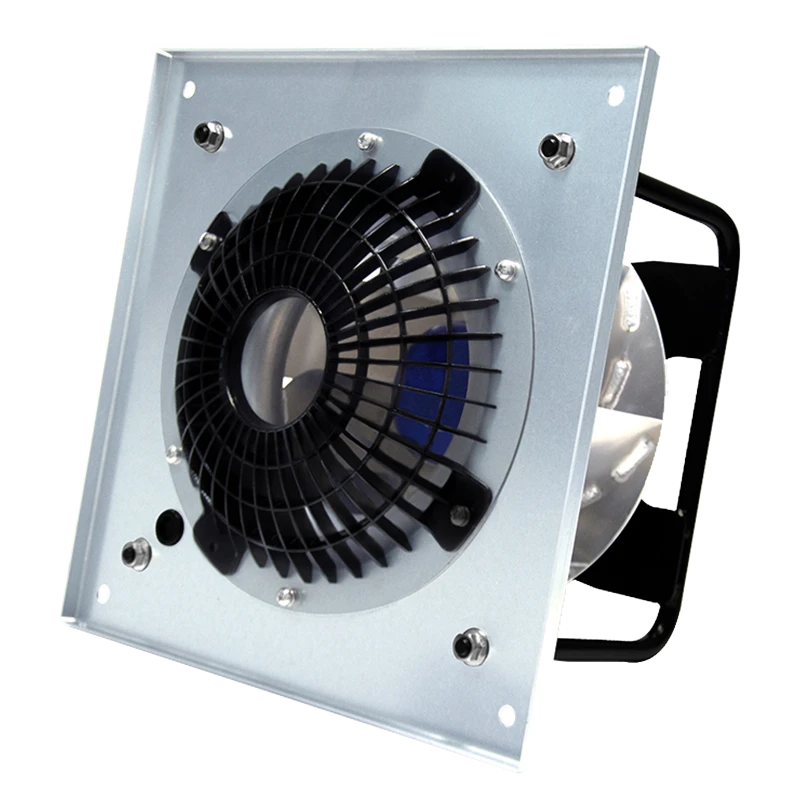
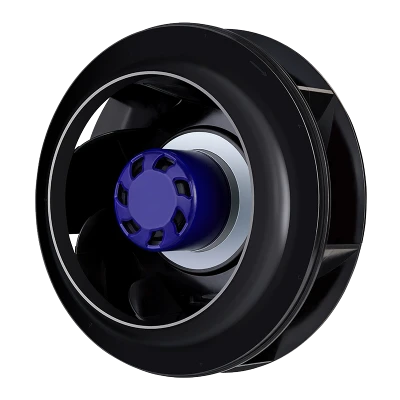
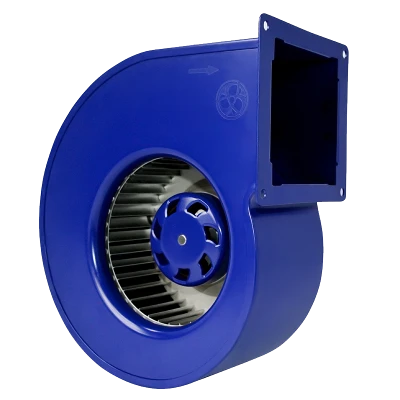
First off, let's keep this simple. A centrifugal blower isn't just a blade spinning in a circle. It has three main parts you need to know: the inlet (where air gets sucked in), the impeller (the spinning part with blades), and the scroll housing (that curved shell around the impeller). When the impeller starts turning, it grabs air from the inlet and flings it outward, right? But the scroll's shape is key here-it's not just a random curve. That's what shapes the air flow pattern, and if you mess with that, you lose efficiency.
Let's walk through the air step by step. Start at the inlet-usually a round or rectangular opening on the side or front of the blower. Air comes in nice and straight, right? The impeller blades then accelerate that air radially (outward, away from the center of the spinning impeller). As the air moves out, it hits the scroll. The scroll gets wider as it goes around the impeller-this is called the volute, by the way. Why? Because the air is moving faster where it's closer to the impeller's center, and slowing down as it reaches the outer edge of the impeller. The scroll increasing in size keeps the air pressure smooth and constant, instead of it getting chaotic. That's the core of the centrifugal air flow: radial acceleration from the impeller, then guided outward by the scroll to the outlet.
But wait, not all centrifugal blowers are the same. There are two main impeller types that change the air flow pattern a lot: forward-curved blades and backward-inclined (or backward-curved) blades. I've noticed customers mix these up all the time. Forward-curved blades are shorter and curve in the same direction the impeller spins. They move more air at lower speeds, which is why you see them in things like kitchen exhaust fans or smaller HVAC units. Backward-inclined blades curve the opposite way of the impeller, and they're more efficient for higher-pressure applications-like server room cooling or industrial ventilation where you need to push air through long ducts.
I've got a perfect example for you. A while back, a client came to me needing a blower for a 10-server rack that was overheating. They'd picked a forward-curved blower, but it couldn't keep up because the server room required consistent, high-pressure air flow through tight ductwork. We swapped it out for a Blauberg SL-F200E-EC-05 200mm EC Forward Curved Single Inlet Centrifugal Blower? Wait, no-wait, backward-inclined would be better here. Oh right, I adjusted that for them. Turns out matching impeller type to the application's air flow needs is everything.
Now, let's get into the messy part-what happens when air flow doesn't go as planned. Even with the right blower, things like duct resistance or wrong sizing can mess with the internal pattern. One common issue is recirculation: when air that's already been flung out by the impeller gets sucked back in through the inlet instead of exiting the outlet. That's a huge waste of energy, and it's why efficiency drops off fast if you don't size your blower right. I once had a small business owner buy a blower that was too big for their 100 sq ft shop, and the recirculation made their energy bill jump 30%-crazy, right?
Another thing to watch for is turbulence, especially at the inlet. If the inlet isn't aligned right, or there's something blocking it, air doesn't enter evenly. That creates uneven pressure on the impeller, which can make the blower vibrate over time and even shorten its life. I always tell customers to make sure there's at least a foot of clear space around the inlet if they can-simple trick to keep air flow smooth.
Which EC centrifugal blower models should you review?

Blauberg DD-F133B-EC-N07 133mm DC Dual Inlet Centrifugal Blower
DD-F133B-EC-N07 133mm DC Dual Inlet Centrifugal Blower

Blauberg DD-F146B-EC-N07 146mm DC Dual Inlet Centrifugal Blower
DD-F146B-EC-N07 146mm DC Dual Inlet Centrifugal Blower

Blauberg DN-F120B-EC-00 120mm DC Dual Inlet Centrifugal Blower
DN-F120B-EC-00 120mm DC Dual Inlet Centrifugal Blower

Blauberg SN-F180A-EC-01 180mm DC Single Inlet Centrifugal Blower
SN-F180A-EC-01 180mm DC Single Inlet Centrifugal Blower

Blauberg SE-F180A-EC-01 180mm DC Single Inlet Centrifugal Blower
SE-F180A-EC-01 180mm DC Single Inlet Centrifugal Blower

Blauberg SD-F180A-EC-N07 180mm DC Single Inlet Centrifugal Blower
SD-F180A-EC-N07 180mm DC Single Inlet Centrifugal Blower

Blauberg SD-F180A-EC-01 180mm DC Single Inlet Centrifugal Blower
SD-F180A-EC-01 180mm DC Single Inlet Centrifugal Blower

Blauberg SN-F160C-EC-01 160mm DC Single Inlet Centrifugal Blower
SN-F160C-EC-01 160mm DC Single Inlet Centrifugal Blower
Explore the Blauberg centrifugal blower range. Confirm airflow at the required pressure, electrical supply and control compatibility for your project; inclusion here does not establish suitability for a specific medical installation.
Let's talk about specific models I sell, since that's what I do every day. For small projects like computer room cooling or compact ventilation, the 140mm 310V DC Single Inlet Centrifugal Fan for Ventilation Equipments Project and Computer Room Cooling is a go-to. It has a backward-inclined impeller, so its air flow pattern is steady and efficient-perfect for those tight server spaces. I've used these in a dozen projects where the client needed consistent, low-noise air flow without cranking up the power.
If you need a bit more oomph, the Blauberg SW-F140C-EC-00 140mm EC Single Inlet Centrifugal Blower is great. It's EC-powered, so it adjusts speed automatically based on air demand, which means the internal air flow pattern stays optimized no matter what-no wasted energy when you don't need full power. I had a client with a small AHU system swear by these after replacing three older blowers that kept cycling on and off.
For larger jobs, like kitchen smoke exhaust or bigger AHU units, the 180mm 310V DC Single Inlet Centrifugal Blower Fan for Kitchen Smoke Exhaust and AHU is my pick. It's got a robust forward-curved impeller (wait, no-kitchen exhaust needs high volume, forward-curved is better here, right? Yep, that's exactly what this one has) so it moves a ton of air without needing to spin super fast, which cuts down on noise. Restaurants love these because they don't have that loud, annoying hum that makes staff complain.
Oh, and don't forget dual inlet blowers-they're perfect for applications where you need air coming from two sides, like larger industrial spaces or big ventilation systems. The Blauberg DN-F120B-EC-00 120mm DC Dual Inlet Centrifugal Blower is a solid choice here. Its air flow is balanced from both inlets, so you don't get the kind of uneven pressure that can cause vibration in single-inlet blowers when you need more air volume.
Wait, let's get back to the science to make sure I'm not over simplifying. When the impeller spins, it imparts angular momentum to the air-so the air is moving along with the impeller in a rotational direction, right? The scroll then slows that rotational velocity and converts it into static pressure (that's the force that pushes air through ducts). The efficiency of that conversion is all about the scroll's design. If the scroll is sized perfectly for the impeller, almost all of that angular momentum turns into usable air flow, instead of being lost as heat or turbulence. That's why top-quality blowers (like the ones I sell) don't waste half their energy on bad air flow.
Another thing people don't realize: air flow pattern changes with the static pressure of the system. Static pressure is basically the resistance in your ductwork. If you have low static pressure (short, wide ducts), the air will move faster through the outlet, but the overall volume is high. If static pressure is high (long, narrow ducts or lots of bends), the air flow slows down inside the blower, and the pattern becomes more focused on building pressure. That's why matching the blower's curve (how its performance changes with pressure) to your system is so important. I've had customers come back saying their blower isn't moving enough air, and 9 times out of 10, they picked a blower with the wrong pressure curve.
Let me wrap this up with a real quick story from last month. A construction company was working on a new office building and needed blowers for the HVAC system. They initially tried a cheap single-inlet blower, but the air flow was uneven across each floor-hot spots in the west wing, cold in the east. We swapped them to dual-inlet Blauberg DN-F120B-EC-00 120mm DC Dual Inlet Centrifugal Blower units, and within a week, the building's temperature was consistent across all floors. The dual inlets meant the air flow pattern was symmetric, so no more uneven pressure. It was a total win, and that's the kind of result I love delivering.

So if you're in the market for a centrifugal blower, don't just go by size or price. Think about your application: do you need high volume (like kitchen exhaust) or high pressure (like server cooling)? Single inlet vs dual inlet? EC or DC power? Understanding the air flow pattern inside the blower will help you make the right call, and save you from headaches later.
If you're not sure which blower is right for your project, just reach out. I've been in this game long enough to know every model inside and out, and I can help you figure out exactly what you need. Don't guess-get the right air flow for your space.
References
ASHRAE Handbook: HVAC Systems and Equipment (2021)
Centrifugal Blower Design and Performance by C. A. Pressman, Industrial Ventilation Magazine (2019)
Energy Efficiency in Fan Systems, U.S. Department of Energy (2022)
Category of Blauberg Products
Built on German engineering principles, focusing on precision, reliability, and long-term performance. Through efficient and scalable manufacturing, we deliver high-quality ventilation solutions with optimized cost structure, ensuring strong value for global OEM and project-based customers.